
The Recommended Reading Order
To fully appreciate the political rivalries, social scandals, and long-term character development of Anthony Trollope's Palliser series, you should read the novels in their original publication order. The series follows the life-spanning arcs of Plantagenet Palliser, Lady Glencora, and the Irish politician Phineas Finn. Reading the books out of order will expose major spoilers regarding marriages, political appointments, and character fates.
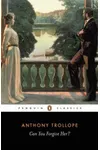
- Can You Forgive Her? (1864–1865) – This novel introduces Alice Vavasor, a young woman struggling to choose between her respectable fiancé and her wild cousin. Parallel to Alice's story, it establishes the early, rocky marriage of Plantagenet Palliser and the spirited Lady Glencora.
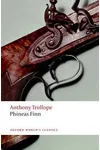
- Phineas Finn (1869) – The focus shifts to Phineas Finn, a charming but penniless Irish lawyer who unexpectedly wins a seat in Parliament and must navigate high society, romantic opportunities, and political compromises.
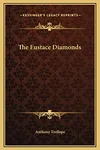
- The Eustace Diamonds (1872) – A satirical mystery and social comedy centering on the deceitful Lizzie Eustace and her fight to keep a valuable, disputed diamond necklace. The Pallisers appear as supporting characters.
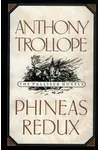
- Phineas Redux (1874) – The direct sequel to Phineas Finn, which returns Phineas to London politics. The narrative takes a dark turn when Phineas is falsely accused of murdering a political rival.
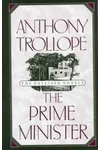
- The Prime Minister (1876) – The political peak of the series, showing Plantagenet Palliser serving as the Prime Minister of a fragile coalition government, while Glencora's grand social ambitions cause political headaches.
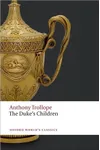
- The Duke's Children (1880) – The elegiac final book follows a widowed Plantagenet, now the Duke of Omnium, as he grieves his wife and struggles to guide his three modern, rebellious children.
What to Know Before You Start: The Barsetshire Connection
Trollope's Palliser novels (often called the Parliamentary novels) are set in the same fictional universe as his earlier masterpiece, the Chronicles of Barsetshire. In fact, Plantagenet Palliser and the Duke of Omnium are first introduced in the fifth Barsetshire book, The Small House at Allington (1864), and make brief appearances in The Last Chronicle of Barset (1867).
While you do not need to read the entire Barsetshire series to enjoy the Palliser books, starting with The Small House at Allington offers a deeper look at Plantagenet's character before he becomes a central figure. For those who want to focus strictly on politics and the Palliser marriage, Can You Forgive Her? is the ideal starting point.
Chronological Caveats and Trollope's Core Quartet
In his posthumously published Autobiography (1883), Anthony Trollope revealed that he viewed the structure of the series slightly differently than modern readers do. He wrote of the series as a core quartet consisting of Can You Forgive Her?, Phineas Finn, Phineas Redux, and The Prime Minister. He considered The Eustace Diamonds and The Duke's Children to be separate, supplementary stories that happened to share the same cast of characters.
Despite Trollope's personal view, reading all six books in order is highly recommended. The Eustace Diamonds establishes key relationships and the social climate that directly impacts later books, while The Duke's Children provides a crucial, deeply moving resolution to the Palliser family saga.
Understanding Key Subseries
To navigate the series, it helps to understand its structural divisions:
- The Palliser Marriage Saga: Can You Forgive Her?, The Prime Minister, and The Duke's Children form the core domestic arc of Glencora and Plantagenet's relationship from their youth to the next generation's choices.
- The Phineas Finn Duology: Phineas Finn and Phineas Redux are closely linked political dramas that should absolutely be read in sequence to follow the Irish MP's career.
- The Eustace Diamonds as a Standalone: This book is more of a domestic thriller and social satire than a heavy political novel, making it a viable standalone option for readers who want a taste of Trollope's style.
Practical Reader Advice
Because Trollope's novels are deeply grounded in the historical details of Victorian parliamentary procedure, coalition governments, and the Reform Bills, modern readers can sometimes find the political context challenging. We recommend reading annotated editions, such as those from the Oxford World's Classics or Penguin Classics series, which explain the real-life political parallels to figures like William Gladstone and Benjamin Disraeli.
For fans of adaptations, the BBC produced a highly acclaimed 26-part television series in 1974 titled The Pallisers. It stars Susan Hampshire as Lady Glencora and Philip Latham as Plantagenet, and serves as an excellent companion to the novels.