



Where to Start with Anthony Trollope
With 47 novels, dozens of short stories, and multiple travelogues to his name, Anthony Trollope is one of the most prolific and beloved Victorian novelists. For newcomers, the sheer volume of his work makes finding a starting point a challenge. Fortunately, Trollope's bibliography is anchored by two major, critically acclaimed series: the Chronicles of Barsetshire and the Palliser novels. Depending on your literary tastes, there are three primary entry points into his fictional universe:
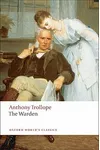
- For small-town drama and clerical intrigue: Start with The Warden (1855), the short and gentle opening to the Chronicles of Barsetshire. It introduces the quiet cathedral town of Barchester and sets the stage for the recurring characters and social dynamics of the region.
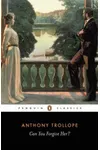
- For political maneuvering and high society: Start with Can You Forgive Her? (1865), the first volume of the Palliser series. If political campaigning and Parliamentary debates sound more appealing than cathedral politics, this is your best gateway.
- For a standalone satirical masterpiece: Start with The Way We Live Now (1875). Widely considered Trollope’s finest single novel, this biting satire targets financial corruption, greed, and the hollow nature of Victorian high society, remaining incredibly relevant to modern readers.
The Chronicles of Barsetshire: Publication and Reading Order
The Chronicles of Barsetshire consist of six novels set in the fictional English county of Barsetshire. While each book features a self-contained plot, characters frequently reappear, grow older, and experience life-altering changes across the volumes. To fully appreciate the evolving community and character arcs, it is highly recommended to read them in publication order:
- The Warden (1855): A focused look at Septimus Harding, a gentle precentor accused of receiving too large an income from a charitable trust. It is the shortest book in the series and acts as a quiet prologue.
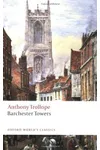
- Barchester Towers (1857): Often considered the highlight of the series, this novel introduces the ambitious Mrs. Proudie and the scheming chaplain Mr. Slope as they clash over the control of the diocese.
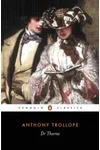
- Doctor Thorne (1858): A story focused on the provincial doctor Thomas Thorne, his niece Mary, and the struggles of class, inheritance, and marriage in rural Barsetshire.
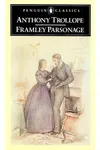
- Framley Parsonage (1861): Follows a young vicar, Mark Robarts, who gets caught up in social climbing and financial troubles. This novel was Trollope's first massive commercial success.
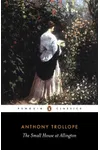
- The Small House at Allington (1864): Focuses on the romantic struggles of Lily Dale. This book is notable for introducing Plantagenet Palliser and his wife Lady Glencora, bridging the gap to Trollope's next major series.
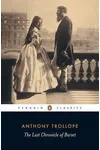
- The Last Chronicle of Barset (1867): The grand finale of the series, wrapping up the story of Septimus Harding and centering on a poor curate, Josiah Crawley, who is falsely accused of stealing a check.
The Palliser Novels: Publication and Reading Order
Also known as the Parliamentary Novels, the Palliser series shifts the focus from provincial church politics to the grand stage of British Parliament and London high society. The series centers on the political career of Plantagenet Palliser and the social influence of his spirited wife, Lady Glencora. Unlike the Barsetshire books, the Palliser novels have tight continuity and significant spoilers for preceding books, making the publication order mandatory:
- Can You Forgive Her? (1865): Introduces the complex marriage of Plantagenet and Glencora, alongside a matching plot focusing on Alice Vavasor's romantic indecision.
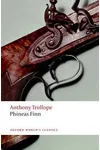
- Phineas Finn (1869): Follows a charming young Irishman who enters British politics and climbs the parliamentary ladder while navigating romantic entanglements.
- The Eustace Diamonds (1872): A mystery-satire hybrid centered on the deceptive Lizzie Eustace and the ownership of a valuable diamond necklace. This novel features less direct politics and more social scheming.
- Phineas Redux (1874): Phineas Finn returns to London politics, only to find himself accused of a shocking murder, leading to a dramatic trial.
- The Prime Minister (1876): Plantagenet Palliser reaches the peak of his political career as Prime Minister of a coalition government, while Glencora tries to manage their social empire.
- The Duke's Children (1880): A bittersweet finale focusing on the older, widowed Plantagenet (now the Duke of Omnium) as he tries to guide his three independent children through their own romantic and political choices.
Crossover and Chronology Caveats
Because the Chronicles of Barsetshire and the Palliser series share a single fictional universe, readers often wonder if they need to be read together. The crossover is primarily character-driven rather than plot-driven. Plantagenet Palliser, Lady Glencora, and the Duke of Omnium first appear in The Small House at Allington (Barsetshire #5) and make brief appearances in The Last Chronicle of Barset (Barsetshire #6) before taking center stage in the Palliser series.
While you do not need to finish Barsetshire before starting the Pallisers, reading them in general publication order across both series provides the most satisfying experience of Trollope's expanding world. Simply read Barsetshire books one through six, and then transition directly into the Palliser series.
Notable Standalone Novels
Trollope wrote dozens of standalone novels that cover a wide variety of settings and themes. If you want to step away from his two main series, here are the most notable standalones to explore:
- The Way We Live Now (1875): A massive, multi-plot masterpiece targeting the moral decay of London society, driven by the mysterious financier Augustus Melmotte.
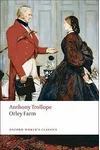
- Orley Farm (1862): A gripping legal drama that centers on a forged will and the moral dilemmas faced by the defense lawyers and the accused.
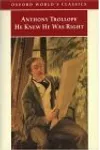
- He Knew He Was Right (1869): A dark, psychological study of a husband's descent into paranoia and pathological jealousy.
- The Macdermots of Ballycloran (1847) and The Kellys and the O'Kellys (1848): Trollope's early Irish novels, drawing heavily on his time working for the Post Office in Ireland. They offer a raw, sympathetic look at Irish society before the Great Famine.
Short Stories, Non-Fiction, and Travelogues
In addition to his novels, Trollope was an avid traveler and short story writer. His travelogues, such as The West Indies and the Spanish Main (1859), North America (1861–1863), and South Africa (1877), were highly popular during his lifetime. In 1878, after a yacht trip to Iceland, he wrote a lighthearted, privately printed account titled How the "Mastiffs" Went to Iceland (recorded in databases under the abbreviated title How the). His posthumously published An Autobiography (1883) remains a vital read for understanding his highly disciplined writing routine, which involved writing 250 words every 15 minutes before breakfast.
What to Know Before You Start
Trollope's writing style is characterized by a conversational, direct narrator who frequently addresses the reader. Unlike some of his Victorian contemporaries who relied on dramatic plot twists, Trollope prioritized realistic character psychology, everyday moral choices, and gentle humor. His novels were originally serialized, which explains their episodic structure and detailed subplots. Approaching his work with patience allows you to become fully immersed in the rich social networks he constructed.