
The Recommended Reading Order for Patrick Melrose
Edward St. Aubyn’s Patrick Melrose novels are a towering achievement in contemporary British literature. Strongly semi-autobiographical, the five-novel cycle explores themes of childhood trauma, high-society hypocrisy, drug addiction, and the long, painful road to recovery. To experience Patrick's journey as the author intended, you should read the books in their chronological order, which also matches their original publication sequence. Reading them in this sequence allows you to trace Patrick's psychological evolution from a vulnerable five-year-old child to a mature man seeking resolution.
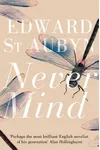
- Never Mind (1992): The story begins in the south of France during the 1960s. We are introduced to five-year-old Patrick Melrose, his cruel, sadistic father David, and his wealthy, neglectful mother Eleanor. This brief but intense novel establishes the foundational trauma that shapes Patrick's entire life.
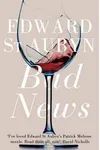
- Bad News (1992): Set in the 1980s, the second novel follows a twenty-two-year-old Patrick to New York City. Having traveled to collect his father's ashes, Patrick spirals into a chaotic, drug-fueled weekend of severe heroin addiction. It is a frantic and harrowing look at his attempt to escape his memories.
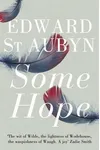
- Some Hope (1994): Taking place in the early 1990s, this installment finds Patrick in his late twenties and early thirties, newly clean but emotionally raw. The action unfolds primarily over a single evening at a lavish, pretentious party in Gloucestershire, highlighting Patrick's attempts to navigate recovery and find the courage to speak about his childhood abuse.
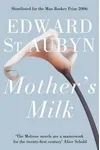
- Mother's Milk (2005): Set in the late 1990s and early 2000s, this Booker Prize-shortlisted novel shifts focus to Patrick as a husband and father. He struggles to prevent his parents' legacy of emotional damage from impacting his own children, while dealing with his mother's decision to leave her estate to a spiritual foundation.
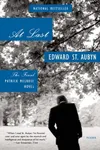
- At Last (2011): The final chapter takes place over the course of a single day at Eleanor Melrose's funeral. Surrounded by family, friends, and hangers-on from the upper classes, Patrick reflects on his life, confronts his remaining grief, and attempts to find a sense of peace and closure.
Publication Order vs. Chronological Order Discrepancies
For readers browsing book lists, a minor point of confusion often arises. Some databases and retail sites list Bad News before Never Mind under the publication sequence. However, both novels were originally published in 1992, with Never Mind being the first narrative block. The temptation to start with Bad News is sometimes reinforced by the 2018 television adaptation, which structured its premiere episode around the events in New York before flashing back to childhood. For the books, starting with Never Mind is highly recommended because it provides the psychological context necessary to understand Patrick's self-destructive behavior in Bad News.
Understanding the Collections and Omnibuses
Because the novels are relatively short, publishers have frequently packaged them together. The two most common ways to acquire the series are:
- The Complete Patrick Melrose Novels: A single, comprehensive volume containing all five books in order. This is the simplest and most cost-effective way to read the saga.
- The Split Volumes: In some markets, the series is divided into two paperbacks. Volume 1 collects the first three novels (Never Mind, Bad News, and Some Hope), which cover Patrick's youth and early recovery. Volume 2 collects the final two books (Mother's Milk and At Last), focusing on his mid-life, marriage, and final release from his family's shadow.
Practical Reader Guidance: Where to Start?
You should always start your reading journey with Never Mind. While some authors write episodic series where entry points are flexible, the Patrick Melrose saga is a linear character study. Attempting to read Mother's Milk or At Last without the background of the first three books will dilute the emotional payoff. The novels are brief and punchy, meaning they function best when read as a continuous, five-part epic. If you find the intense depiction of abuse in Never Mind or the heavy addiction themes in Bad News difficult to stomach, take comfort in the fact that the later novels pivot toward sharp social satire and genuine, hard-won healing.
What to Know Before You Start
Edward St. Aubyn’s writing is famous for its combination of dark subject matter and incredibly polished, witty prose. Readers should prepare themselves for heavy themes, including parental abuse and substance dependency. Despite the gravity of these topics, the books are filled with biting humor and scathing caricatures of the British aristocracy. The 2018 television miniseries starring Benedict Cumberbatch is an exceptionally faithful adaptation, but the novels offer a deeper, more intimate look at Patrick's inner monologue and St. Aubyn's masterful command of language.