



Where to Start Reading Edward St. Aubyn
For almost all readers, the definitive entry point into Edward St. Aubyn's work is the Patrick Melrose series. This five-novel sequence is widely considered one of the finest achievements of contemporary British literature. The books are deeply semi-autobiographical, tracing the life of an aristocratic protagonist as he processes horrific childhood trauma, battles a severe heroin addiction, and ultimately searches for stability and redemption. Because the books follow a tight chronological progression and form a continuous character study, they must be read in order to experience their full emotional impact.
If you prefer a lighter, more satirical introduction to St. Aubyn's writing before committing to the heavy themes of the Melrose series, Lost for Words is a hilarious, stand-alone parody of the literary award industry that showcases his dry, biting wit without the dark elements of his autobiographical fiction.
The Patrick Melrose Series in Order
The Patrick Melrose quintet was published between 1992 and 2011. The chronological order matches the publication order. Although the first two volumes, Never Mind and Bad News, were both published in 1992, Never Mind is the essential first book as it sets up Patrick's childhood origins.
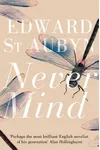
1. Never Mind (1992)
Set over the course of a single, agonizing day at the family's country house in the South of France, this debut novel introduces a five-year-old Patrick Melrose. The book explores the cruelty of his sadistic father, David, and the complicity of his wealthy, alcoholic mother, Eleanor. It is a chilling and precise depiction of the trauma that shapes the rest of Patrick's life.
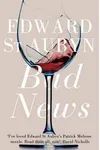
2. Bad News (1992)
Fast-forwarding to Patrick at age 22, the second novel takes place in New York City. Patrick arrives to collect his father's ashes, but instead spirals into a manic, drug-fueled weekend of heavy heroin addiction. It is a harrowing yet darkly funny exploration of dependency and self-destruction.
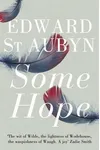
3. Some Hope (1994)
Set at a grand aristocratic party in Gloucestershire, a 30-year-old Patrick is now clean from drugs but emotionally raw. He struggles to find his footing within high society while attempting to open up about his past trauma to his closest friends, taking his first tentative steps toward healing.
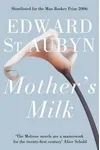
4. Mother's Milk (2005)
Shortlisted for the Booker Prize, the fourth novel finds Patrick in his 40s. He is now married with two young sons, Robert and Thomas. The story examines the trials of parenthood, Patrick's lingering resentment toward his father, and his distress as his mother Eleanor decides to leave the family's beloved French estate to a spiritual foundation run by a manipulative guru.
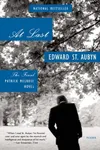
5. At Last (2011)
The final book in the series takes place over a single afternoon at Eleanor's funeral. Gathered with family and old friends, Patrick looks back over his life, finally confronting the ghosts of his childhood in a quest for ultimate closure and peace.
The Standalone Novels
Outside of the Melrose universe, St. Aubyn has published several stand-alone books that vary from social satire to philosophical inquiry.
- On the Edge (1998): A satirical look at the New Age movement and spiritual seeking in late-1990s California, following a group of eccentric characters trying to find meaning.
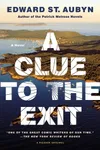
- A Clue to the Exit (2000): A poignant and witty story of a screenwriter who is told he has only a few months to live, who goes to a French casino to write a novel about the nature of consciousness.
- Lost for Words (2014): A hilarious, farce-like satire targeting the literary establishment, particularly the hypocrisies, compromises, and egos surrounding prestigious literary prizes (reminiscent of the Booker Prize).
- Dunbar (2017): St. Aubyn's contribution to the multi-author Hogarth Shakespeare project. The novel is a modern reimagining of King Lear, centering on a powerful media mogul whose daughters betray him to seize his empire.
The Science and Philosophy Trilogy
In his recent works, St. Aubyn shifted focus to explore neuroscience, genetics, psychoanalysis, and environmentalism through a multi-part series of connected novels.
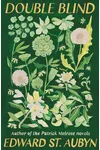
1. Double Blind (2021)
This novel follows a close-knit group of friends, scientists, and academics over the course of a transformative year. The plot weaves together themes of ecology, genetic engineering, biotechnology, and the search for scientific truth as the characters navigate medical crises and personal connections.
2. Parallel Lines (2025)
The sequel to Double Blind and the second installment in a planned trilogy. It reunites long-lost twins Sebastian and Olivia, exploring how their separate paths intersect against a backdrop of mental health struggles, environmental worries, and the mysteries of genetics.
What to Know Before You Start
Readers should be prepared for the intense themes of the Melrose novels. The series contains frank and unsettling depictions of child abuse, substance addiction, and self-harm. However, St. Aubyn offsets the darkness with some of the most elegant, witty prose in modern fiction, making it a story of survival and transformation rather than pure despair. The books are also available in popular omnibus editions, often grouped as Patrick Melrose Volume 1 (containing the first three novels) and Volume 2 (containing the final two).