












Where to Start with Perry Mason
With over eighty novels and several collections in the franchise, figuring out where to begin with Perry Mason might seem daunting. Fortunately, the series is highly episodic. Unlike modern mystery series that rely on complex, multi-book story arcs, character relationships, and overarching subplots, Erle Stanley Gardner wrote these stories as self-contained whodunits. You can pick up almost any book in the series, enjoy the trial, and not feel like you have missed critical backstory.
That said, the absolute best starting point for any reader is the very first novel, The Case of the Velvet Claws (1933). Reading the debut introduces you to the core trio of Perry Mason, his devoted secretary Della Street, and private investigator Paul Drake. Starting here also allows you to watch the formula of the series take shape and witness how the characters evolve over the decades.
If you want to skip around to some of the absolute highlights, these early-to-mid career books are widely considered standout legal mysteries:
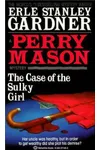
- The Case of the Sulky Girl (1933): Perry Mason defends a young heiress who is trapped by a restrictive trust fund and quickly finds herself accused of murder.
- The Case of the Lucky Legs (1934): A fast-paced mystery revolving around a beauty contest scam that features Gardner's trademark pacing and sharp dialogue.
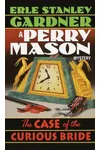
- The Case of the Curious Bride (1934): A classic legal puzzle where Mason uses daring and borderline questionable tactics to protect his client.
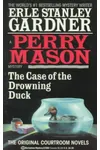
- The Case of the Drowning Duck (1942): A wonderful mid-series entry that cleverly combines chemistry, fraud, and a tricky courtroom resolution.
Publication Order vs. Chronological Order
For Perry Mason, publication order and chronological order are identical. Erle Stanley Gardner wrote and published these books sequentially from 1933 until his final posthumous novel, The Case of the Postponed Murder, in 1973. Reading them in order of publication is highly recommended if you want to experience the evolution of the characters and the historical backdrop of mid-century Los Angeles.
In the earliest novels, Perry Mason is a much grittier, hard-boiled figure. He carries a gun, operates in the shadows, and is not afraid to bend legal ethics to the breaking point. As the series progressed—and particularly after the incredibly popular CBS television adaptation starring Raymond Burr began airing in 1957—Gardner softened Mason's edge. The character transformed into the highly polished, upright, and brilliant courtroom defender that became a cultural icon. Watching this transition unfold book-by-book is one of the greatest pleasures of reading the series in publication order.
The Core Cast and Character Evolution
The magic of the Perry Mason books lies in the chemistry of the core cast. Unlike the television show, which often sidelined the detective work for courtroom theatrics, the books give ample space to the investigative process. Perry Mason is not just a lawyer; he is a detective who works the streets alongside Paul Drake. Drake, the head of the Drake Detective Agency, is Mason's right-hand man, supplying the critical evidence and witness interviews needed to save the day in court.
Della Street, Mason's secretary, is the emotional anchor of the series. She is incredibly competent, deeply loyal, and frequently assists in the investigations. Over the course of the novels, the relationship between Perry and Della remains a source of endless fascination for fans. While they share a deep, quiet affection and mutual respect, Gardner kept their romance strictly professional, though they occasionally share intimate moments that hint at something deeper.
Opposing them in the courtroom is District Attorney Hamilton Burger and police Lieutenant Arthur Tragg. In the novels, Burger is not the incompetent prosecutor often depicted in pop culture; he is a capable, honest public servant who genuinely believes the defendants are guilty, making Mason's courtroom victories feel earned and hard-fought.
Collections, Short Stories, and Later Authorized Books
While Erle Stanley Gardner was famous for his full-length novels, he also wrote a handful of shorter cases. These are collected in several anthologies that every completionist should read. The most notable collections include:
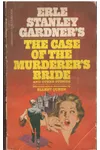
- The Case of the Murderer's Bride and Other Stories (1955)
- The Case of the Crimson Kiss (1970)
- The Case of the Crying Swallow (1971)
- The Case of the Irate Witness and Other Stories (1973)
The title story of the 1973 collection, The Case of the Irate Witness, is particularly famous as the only true short story starring Perry Mason that Gardner ever published. The other short collections contain novelettes or stories featuring other detective characters alongside Mason.
Long after Gardner passed away, the estate authorized mystery writer Thomas Chastain to continue the legacy. Chastain penned two licensed novels in the late 1980s and early 1990s:
- The Case of Too Many Murders (1989)
- The Case of the Burning Bequest (1990)
These two continuation novels are heavily influenced by the made-for-television movies of the era, bringing in Paul Drake Jr. and leaning into the nostalgic, cinematic feel of the late-period Raymond Burr adaptations.
What to Know Before You Start
Before diving into the world of Perry Mason, there are a few stylistic and contextual details to keep in mind. First, Gardner was a real-life practicing attorney who championed the underdog and even co-founded The Court of Last Resort, a real-life organization dedicated to exonerating wrongfully convicted individuals. This background gives the courtroom scenes an authentic, sharp procedural edge that pioneered the modern legal thriller genre.
Second, Gardner also wrote several other series, such as the Cool and Lam private eye books (written under the pen name A.A. Fair) and the Doug Selby District Attorney series. While these share Gardner's signature fast-paced plotting and legal themes, they are completely separate series. There are no crossovers or shared-universe connections with Perry Mason.
Finally, do not expect heavy continuity. Characters do not age significantly, and major events from previous novels are rarely mentioned. This makes the series the perfect low-commitment read for mystery lovers who want to drop in, watch a brilliant attorney demolish a corrupt prosecution, and enjoy the vintage atmosphere of classic legal fiction.