

Where to Start Reading the Peter McGarr Series
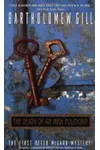
If you are looking to dive into the cases of Chief Inspector Peter McGarr, you have two excellent paths to choose from. The first is to begin at the very beginning with McGarr and the Politician's Wife (also published as The Death of an Irish Politician). Starting here allows you to experience the character's development and his relationships—especially with his wife, Noreen, and his dedicated team of detectives—unfold naturally from the start of his career.
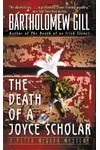
However, if you want to sample the series at its absolute literary peak, many seasoned mystery readers recommend starting with the eighth book, The Death of a Joyce Scholar (1989). This novel, which takes place during Dublin's Bloomsday celebrations and centers on the murder of a James Joyce expert, was highly acclaimed and serves as a perfect showcase for Gill's trademark blend of deep cultural immersion, Dublin geography, and clever detective work. It works perfectly as a standalone, and if it hooks you, you can easily loop back to the earlier novels.
The Publication Order: Navigating the Title Changes
One of the biggest hurdles for new readers collecting the Peter McGarr books is navigating the title changes. In their original printings, the first seven novels were generally titled in the style of McGarr and.... In later paperback reissues and international editions, these books were renamed to fit the The Death of... naming convention that Bartholomew Gill used for the rest of the series. For example, the debut novel is identical whether you find it under the title McGarr and the Politician's Wife or The Death of an Irish Politician.
To make tracking down these books easier, here is the complete publication order including the major alternate titles:
- McGarr and the Politician's Wife (1976/1977) — Also published as The Death of an Irish Politician
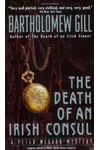
- McGarr and the Sienese Conspiracy (1977) — Also published as The Death of an Irish Consul
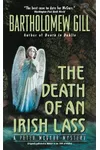
- McGarr and the Cliffs of Moher (1978) — Also published as The Death of an Irish Lass
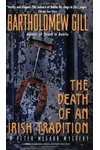
- McGarr and the Dublin Horse Show (1979) — Also published as The Death of an Irish Tradition
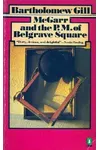
- McGarr and the P.M. of Belgrave Square (1983)
- McGarr and the Method of Descartes (1984)
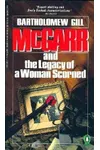
- McGarr and the Legacy of a Woman Scorned (1986)
- The Death of a Joyce Scholar (1989)
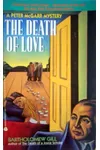
- The Death of Love (1992)
- Death on a Cold, Wild River (1993)
- The Death of an Ardent Bibliophile (1995)
- The Death of an Irish Sea Wolf (1996)
- The Death of an Irish Tinker (1997) — Also published as Death of a Busker King
- The Death of an Irish Lover (2000)
- The Death of an Irish Sinner (2001)
- Death in Dublin (2002)
Chronological Order & Continuity Caveats
Does the chronological order differ from the publication order? Fortunately, no. The timeline of Peter McGarr’s life runs parallel to the order in which the books were published. While each mystery is self-contained and resolves its central crime by the final pages, there is a distinct evolution in McGarr's personal life. Over the course of the 16 novels, we see McGarr navigate his marriage to Noreen, watch his daughter grow, and witness the changing landscape of Ireland itself as it moves from the late-Cold War era into the early 2000s. To fully appreciate these subtle character arcs, reading in publication order is highly recommended.
What to Know Before You Start
The Peter McGarr series is unique in the police procedural genre because its author, Bartholomew Gill (the pseudonym of American-born Mark McGarrity), brought a deeply literary, almost academic eye to his Irish settings. Having studied at Trinity College in Dublin, McGarrity developed a profound love for Irish history, literature, and politics. This is reflected in the books, which frequently deal with the lingering shadows of the IRA, religious tension, academic rivalries, and the preservation of Irish culture.
Readers should expect a detective who is cerebral, enjoys fine wine, and possesses a sharp, dry wit. Unlike modern noir protagonists who are completely self-destructive, McGarr is grounded by his family life and a loyal police team. There are no spin-offs, co-authored novels, or expanded universe tie-ins to worry about, making this a beautifully self-contained 16-book masterpiece of modern detective fiction.