

Where to Start Reading Phoebe and Her Unicorn
For the best experience, readers should start with the very first book, Phoebe and Her Unicorn. This volume introduces the quirky, friendless nine-year-old Phoebe Howell and the sparkling, self-absorbed unicorn Marigold Heavenly Nostrils. The book details their hilarious meeting—which occurs when Phoebe skips a stone across a pond and accidentally hits Marigold in the face—and explains the wish that bonds them as best friends. Because the series relies heavily on character dynamics established at the beginning, starting here is essential.
After the first book, the series is largely episodic, meaning you can read the books in almost any order. However, reading them in publication order allows you to see the side characters grow, watch the friendship between Phoebe and Marigold deepen, and enjoy running gags that evolve over time.
The Complete Reading Order (Based on Publication)
Here is the full order of books as they were released, including graphic novels, special long-form adventures, activity books, and younger-reader spin-offs:
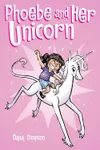
- Phoebe and Her Unicorn (2014) – The essential starting volume where Phoebe meets Marigold and makes her wish.
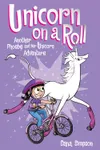
- Unicorn on a Roll (2015) – Follows the duo as they deal with school rivalries and Marigold's magical antics.
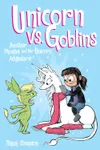
- Unicorn vs. Goblins (2016) – Introduces magical conflicts and goblin characters into Phoebe's world.
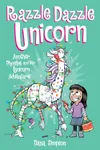
- Razzle Dazzle Unicorn (2016) – Packed with schoolyard drama, piano lessons, and Marigold's reflection-gazing.
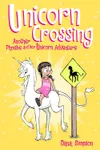
- Unicorn Crossing (2016) – Phoebe and Marigold take on summer vacation and discover more magical mysteries.
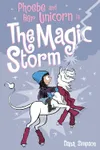
- In the Magic Storm (2017) – The first full-length, single-story graphic novel adventure where a magic storm cuts the power.
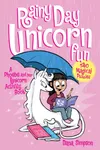
- Rainy Day Unicorn Fun (2017) – An activity book containing puzzles, crosswords, and word games.
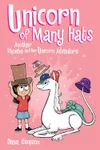
- Unicorn of Many Hats (2018) – Continues the daily strip compilations with Phoebe navigating school and Marigold wearing actual hats.
- Today I'll Be a Unicorn (2018) – A simplified board book designed for very young readers.
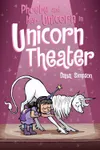
- Unicorn Theater (2018) – The second long-form graphic novel, set at drama camp with Marigold's sister, Florence.
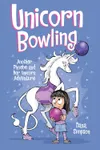
- Unicorn Bowling (2019) – Phoebe and Marigold deal with standard childhood problems alongside magical creature shenanigans.
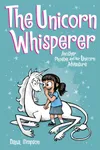
- The Unicorn Whisperer (2019) – Explores the magic of Marigold's daily life and Phoebe's unique perspective on it.
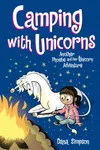
- Camping with Unicorns (2020) – Phoebe heads outdoors for a camping trip, bringing along some unicorn magic.
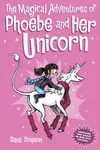
- The Magical Adventures of Phoebe and Her Unicorn (2020) – A deluxe two-in-one bind-up containing the first two volumes.
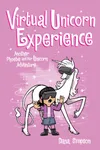
- Virtual Unicorn Experience (2020) – Touches on digital-age themes and virtual school concepts.
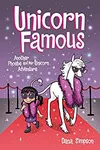
- Unicorn Famous (2021) – Phoebe and Marigold explore popularity and standing out in a crowd.
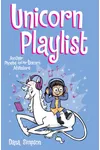
- Unicorn Playlist (2021) – A collection of strips centered on music, dance, and creative self-expression.
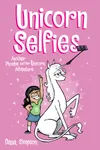
- Unicorn Selfies (2022) – Modern struggles with cameras, social media-style posting, and unicorn vanity.
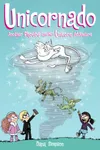
- Unicornado (2022) – Further collection of the daily comic strips highlighting Marigold's sparkling presence.
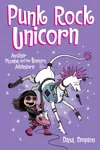
- Punk Rock Unicorn (2023) – Focuses on style, rebellion, and embracing one's internal weirdness.
- Unicorn Crush (2024) – The gang deals with school crushes, Valentine's Day, and friendship dynamics.
Understanding the Formats: Strip Collections vs. Novels
When collecting this series, it is important to know that the books fall into three distinct categories. Knowing which format you are buying will help you manage expectations, especially when buying for younger readers.
1. Strip Collections (The Main Series)
The vast majority of the books are anthologies collecting the daily webcomics and newspaper syndications. They are structured as a series of short, four-panel jokes that build into larger themes over the course of the book. These books are highly episodic and quick to read.
2. Original Graphic Novels (Long-Form Stories)
Two books in the sequence, In the Magic Storm (Book 6) and Unicorn Theater (Book 10), are not strip collections. Instead, they are standalone, continuous graphic novels with a single overarching plot. They feature more pages, a larger cast of characters working together toward a single goal, and longer dialogue scenes. These are perfect for readers looking for a traditional chapter-book narrative experience.
3. Companion Books and Bind-Ups
Some of the releases are not new content at all. For instance, Rainy Day Unicorn Fun is an activity book filled with games, and Today I'll Be a Unicorn is a toddler board book that simplifies the characters for a preschool audience. Additionally, The Magical Adventures of Phoebe and Her Unicorn is a deluxe bind-up combining the contents of Books 1 and 2, which is great for starting a collection but represents duplicate content if you already own the individual volumes.
Box Sets and Omnibus Collections
If you are looking to buy the series in bulk, publishers have released several omnibus editions. These typically bundle four volumes of the strip collections into a single, thick book. Look for titles like The Big Sparkly Box of Unicorn Magic (which collects Books 1 through 4) and The Shimmering Box of Unicorn Sparkles (which collects Books 5 through 8) to save shelf space and get the best value.
What to Know Before You Start
Created by Dana Simpson, Phoebe and Her Unicorn originally debuted as a webcomic titled Heavenly Nostrils in 2012 before moving to print newspapers and graphic novels. The comic is heavily inspired by classics like Calvin and Hobbes, which is evident in the dynamic between a human child and an invisible/magical best friend. In the story, Marigold uses the "Shield of Boringness"—a spell that makes regular humans completely ignore her magical properties—allowing her and Phoebe to wander around town together without causing a public panic. The series has sold millions of copies worldwide and won multiple awards, including the Washington State Book Award, due to its positive messaging around self-acceptance and celebrating individuality.