
How to Read Polly and the Puffin in Order
For the best experience, readers should follow the series in its original publication order. Because the narrative tracks Polly's personal growth—such as starting school and navigating new family dynamics—reading the books sequentially ensures young readers can fully appreciate the character development and continuity.
Here is the recommended reading path for the series:
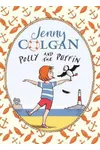
- Polly and the Puffin (2015)
- The Stormy Day (2016)
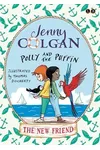
- The New Friend (2017)
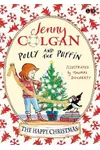
- The Happy Christmas (2017)
What to Know Before You Start
Written by international bestselling author Jenny Colgan and illustrated by Thomas Docherty, Polly and the Puffin is tailored for early readers aged 5 to 8. The books act as an ideal bridge between illustrated picture books and longer chapter books, featuring large text, engaging black-and-orange illustrations, and short, manageable chapters.
A unique aspect of the series is its interactive format. Every book is packed with extra goodies at the end of the chapters, including hands-on activities, kid-friendly recipes, jokes, and seaside-themed crafts. This makes them highly engaging for classroom read-alouds or cozy bedtime stories.
The Connection to Little Beach Street Bakery
Before Neil the puffin had his own children's books, he was a breakout star in the adult fiction world. Neil originally appeared in Jenny Colgan's contemporary romance novel Little Beach Street Bakery (2014) as a wild puffin with a broken wing rescued by the main character, Polly Waterford. Neil's charm captured the hearts of adult readers, prompting fan letters, dedicated social media accounts, and requests for more puffin content. In response, Colgan created this children's spin-off series, retaining the coastal charm but reframing the story for a young audience with a child protagonist named Polly.
Detailed Book-by-Book Breakdown
1. Polly and the Puffin (2015)
The series opens with the titular story where we meet Polly, a sensitive girl living in a cozy, windy cottage by the sea. After a fierce storm, Polly finds an injured puffin with a broken wing. She names him Neil and takes on the responsibility of nursing him back to health. The book deals with gentle themes of animal rescue, responsibility, and the bittersweet reality of preparing a wild animal to return to nature.
2. The Stormy Day (2016)
In the second installment, a massive storm hits the coastal town, preventing Polly's fisherman father from returning home safely. As Polly awaits her father's return, Neil the puffin gets up to his usual mischievous antics, adding humor and lighthearted distraction to a tense day. This story gently explores themes of family bonds, coping with worry, and resilience during difficult situations.
3. The New Friend (2017)
The third book marks a significant milestone for Polly: starting 'Big School.' She faces the universal anxieties of making new friends and adjusting to a structured school routine. Meanwhile, Neil feels left out back at home and decides to follow Polly to school, leading to a series of chaotic and funny events. The story is highly relatable for children undergoing transitional phases in early education.
4. The Happy Christmas (2017)
The final book in the series is a heartwarming holiday tale. Christmas is approaching, and Polly's family is preparing for the celebrations. However, a series of unexpected events threatens to dampen the holiday spirit. With Neil's help, Polly learns the true meaning of Christmas, focusing on family, sharing, and community rather than material gifts.
Practical Reader Advice
While each book is designed to function as a standalone adventure, starting with the first book is highly recommended to understand how Polly and Neil first formed their bond. The books are especially suited for children who are beginning to read independently but still enjoy visual cues. The cozy seaside setting and emphasis on nature conservation offer great talking points for parents and educators looking to teach children about empathy toward animals.