

How to Read the Queens of England Series
Between 1983 and 1993, the incredibly prolific historical novelist Eleanor Hibbert—writing under her famous pseudonym Jean Plaidy—published a series of eleven novels focused on the lives of England's queens and queen consorts. Written in the first-person as fictionalized memoirs, these books offer an intimate, character-driven look at the women who lived in the shadow of, or directly wielded, the English crown.
Because the novels were not published in the order of the historical events they depict, readers often face a choice: do you read them in the order Jean Plaidy wrote them, or do you follow the chronological history of the English monarchy? Below, we break down both paths to help you decide how to approach this classic historical fiction series.
Chronological Reading Order (Recommended)
Reading the series chronologically by historical setting is widely considered the most rewarding approach. It allows you to watch the evolution of the English court, foreign policy, and royal dynastic struggles across centuries—moving from the medieval period, through the Tudor and Stuart eras, and ending in the Victorian age. Here is the chronological path:
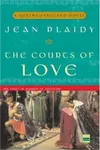
- The Courts of Love (1987) – Subject: Eleanor of Aquitaine (12th Century). This novel follows one of the most powerful women of the Middle Ages. It covers her tumultuous marriages to Louis VII of France and Henry II of England, and her fierce advocacy for her children, including Richard the Lionheart and King John.
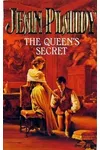
- The Queen's Secret (1989) – Subject: Katherine of Valois (15th Century). Set during the Hundred Years' War and the Wars of the Roses, this book tells the story of the French princess who marries Henry V and later enters a secret, scandalous relationship with Welsh courtier Owen Tudor, laying the foundation for the Tudor dynasty.
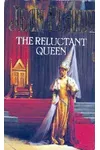
- The Reluctant Queen (1990) – Subject: Anne Neville (15th Century). The daughter of the notorious "Kingmaker" Earl of Warwick, Anne Neville becomes caught in the deadly gears of the Wars of the Roses, eventually marrying the controversial King Richard III.
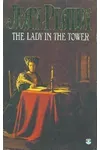
- The Lady in the Tower (1986) – Subject: Anne Boleyn (16th Century). A tragic account of the rise and sudden fall of Henry VIII's second wife, highlighting the ambition, court intrigue, and heartbreak that led to her execution.
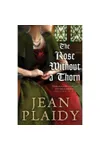
- The Rose Without a Thorn (1993) – Subject: Catherine Howard (16th Century). The story of Henry VIII’s fifth wife, a young, naive girl who was manipulated by ambitious relatives and ultimately met the same fate as her cousin, Anne Boleyn.
- In the Shadow of the Crown (1989) – Subject: Mary I (16th Century). This narrative humanizes the ruler often remembered only as "Bloody Mary," tracing her childhood as a beloved princess, her years of neglect, and her tragic, reign as England’s first reigning queen regnant.
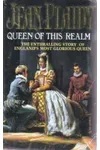
- Queen of This Realm (1985) – Subject: Elizabeth I (16th Century). Written as a memoir by Elizabeth I in her final years, this novel looks back at her long, glorious reign, her political survival in a male-dominated world, and her personal sacrifices.
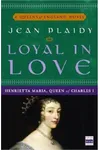
- Myself My Enemy (Also published as Loyal in Love) (1983) – Subject: Henrietta Maria (17th Century). The story of the French Catholic princess who married King Charles I, chronicling the outbreak of the English Civil War and the execution of her husband.
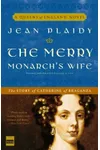
- The Pleasures of Love (Also published as The Merry Monarch's Wife) (1991) – Subject: Catherine of Braganza (17th Century). The Portuguese princess who marries the restored monarch Charles II must navigate a court filled with the king's highly influential mistresses.
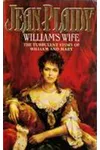
- William's Wife (Also published as The Queen's Devotion) (1990) – Subject: Mary II (17th Century). This novel details the life of the daughter of James II, who is married off to William of Orange and finds herself torn between loyalty to her father and devotion to her husband during the Glorious Revolution.
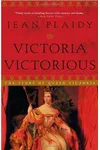
- Victoria Victorious (1985) – Subject: Queen Victoria (19th Century). A sweeping memoir of the young queen who gave her name to an entire era, tracing her isolated childhood, her deep love for Prince Albert, and her path to becoming the matriarch of Europe.
Publication Order of the Series
If you prefer to experience the books as they were originally released to the public, you can read them in publication order. This highlights how Jean Plaidy bounced around different historical eras, sometimes writing about the Tudors before jumping back to the Middle Ages. Note that several titles were published under different names in the US and UK:
- Myself My Enemy (1983) - Also published as Loyal in Love
- Queen of This Realm (1985)
- Victoria Victorious (1985)
- The Lady in the Tower (1986)
- The Courts of Love (1987)
- In the Shadow of the Crown (1989)
- The Queen's Secret (1989)
- The Reluctant Queen (1990)
- William's Wife (1990) - Also published as The Queen's Devotion
- The Pleasures of Love (1991) - Also published as The Merry Monarch's Wife
- The Rose Without a Thorn (1993)
What to Know Before You Start
Jean Plaidy's writing style is highly distinct: she avoids excessive modern sensationalism or dense academic language. Instead, she utilizes a conversational first-person voice, framed as though the queens are writing their own memoirs at the end of their lives. This provides deep psychological insight into their motivations and feelings, making centuries-old history feel immediate and personal.
Because each book is structured as a complete life story, all of these novels can be read as standalones. You do not need to read them in any strict sequence to understand the plot of an individual book. If you are particularly interested in the Tudor dynasty, you can easily read The Lady in the Tower, The Rose Without a Thorn, In the Shadow of the Crown, and Queen of This Realm as a self-contained mini-saga.
Overlap with Other Jean Plaidy Sagas
Eleanor Hibbert was one of the most prolific authors of the 20th century, writing over 200 books under various pen names (including Victoria Holt for gothic romance and Philippa Carr for family sagas). As Jean Plaidy, she wrote several massive historical series, including the Plantagenet Saga, the Tudor Saga, and the Stuart Saga.
Because of this, there is significant overlap between the Queens of England series and her other works. For instance, the events of The Courts of Love are mirrored in parts of her Plantagenet novels, and her Tudor novels cover similar ground as the Tudor-focused queens. However, the Queens of England novels remain unique because they are told entirely from the first-person perspective of the queens themselves, whereas her other sagas are typically written in the third person.