









Where to Begin Your Journey
With more than 200 novels published under several different pen names, Eleanor Burford Hibbert (best known as Jean Plaidy, Victoria Holt, and Philippa Carr) was one of the 20th century's most prolific writers. Because her styles varied dramatically by pseudonym, your starting point depends entirely on what genre you prefer:
- For Gothic Romance: Start with Mistress of Mellyn (1960), written as Victoria Holt. This is the quintessential gothic novel that launched a massive publishing phenomenon, featuring a spirited governess, a dark mansion, and brooding family secrets in Cornwall.
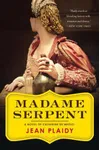
- For Regal Historical Fiction: Start with Madame Serpent (1952) or Katharine, the Virgin Widow (1961), written as Jean Plaidy. These offer meticulously researched, immersive biographical looks into royal courts.
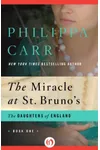
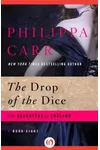
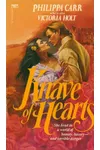
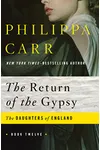
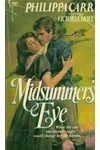
- For Generational Sagas: Start with The Miracle at St. Bruno's (1972), written as Philippa Carr. This kicks off the 20-book Daughters of England series, tracing a single family lineage across four centuries.
Understanding the Pseudonyms
To navigate this library, you need to understand how Hibbert divided her work. She rarely mixed her styles across pen names:
- Jean Plaidy: The destination for serious historical fiction. These books focus on real-world monarchs and courts, prioritizing historical accuracy and detail.
- Victoria Holt: The home of romantic suspense and gothic fiction. Expect mysterious estates, dark family legacies, immediate tension, and strong female leads. Almost all of these are standalones.
- Philippa Carr: Used exclusively for the multi-generational Daughters of England saga, blending romantic fiction with major English historical backdrops.
- Minor Pseudonyms: Under names like Elbur Ford, Kathleen Kellow, and Ellalice Tate, she wrote darker crime stories, thrillers, and biographical novels that have since become rare collector's items.
The Chronological vs. Publication Order Dilemma
For Jean Plaidy's historical sagas, publication order rarely matches the chronological order of the history she portrays. Hibbert wrote books focusing on whatever monarch captured her interest at the time, only later filling in the gaps with prequels.
The Tudor Saga
The Tudor series is the prime example of this chronological shift. If you read in publication order, you will start with Murder Most Royal (1949), which details Anne Boleyn and Catherine Howard. However, reading chronologically provides a seamless flow from the rise of Henry VII to the reign of Elizabeth I. The first book chronologically, Uneasy Lies the Head (covering Henry VII), was not published until 1982. We recommend reading the Tudor Saga chronologically for the best experience:
- Uneasy Lies the Head (1982)
- Katharine, the Virgin Widow (1961)
- The Shadow of the Pomegranate (1962)
- The King's Secret Matter (1962)
- Murder Most Royal (1949)
- Saint Thomas' Eve (1954)
- The Sixth Wife (1953)
- The Thistle and the Rose (1963)
- Mary, Queen of France (1964)
- The Spanish Bridegroom (1954)
- Gay Lord Robert (1955)
The French Revolution Series
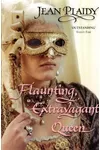
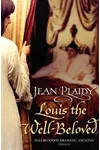
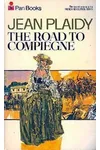
Similarly, her three-book French Revolution series flows better chronologically. While she published Flaunting, Extravagant Queen first in 1957, it is actually the conclusion of the trilogy. The recommended order is:
- Louis the Well Beloved (1959)
- The Road to Compiegne (1959)
- Flaunting, Extravagant Queen (1957)
Major Historical Sagas (Jean Plaidy)
If you love historical consistency, you can tackle her long-running dynastic sagas. The three most famous, alongside the Tudors, are:
- The Plantagenet Saga (15 Books): Traces the English crown from the early anarchy of the 12th century through the War of the Roses, starting with The Plantagenet Prelude (1976) and ending with The Sun in Splendour (1982).
- The Stuart Saga (7 Books): Covers the tragic reign of Mary, Queen of Scots, the Stuarts in exile, and the Restoration. It begins with The Royal Road to Fotheringhay (1955) and runs through The Queen's Favourites (1966).
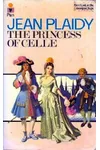
- The Georgian Saga (11 Books): Follows the Hanoverian succession, starting with the tragic story of Sophia Dorothea of Celle in The Princess of Celle (1967) and detailing the regency era up to the eve of Victoria's coronation in Victoria in the Wings (1972).
- The Queens of England Series (11 Books): A late-career series where Plaidy wrote first-person narrative accounts of England's queens, from Henrietta Maria in Myself My Enemy (1983) to Anne Boleyn in The Lady in the Tower (1986) and Catherine of Aragon in The Rose Without a Thorn (1993).
The Daughters of England Saga (Philippa Carr)
Written under the Philippa Carr name, this 20-novel epic is a masterclass in family saga construction. It starts during the dissolution of the monasteries in the Tudor era and tracks the daughters of successive generations through the English Civil War, the Jacobite rebellions, the Victorian expansion, and ultimately ending in the midst of World War II. Unlike the Plaidy books, this series was written in chronological order and should be read exactly as published, beginning with The Miracle at St. Bruno's (1972) and ending with We'll Meet Again (1993).
Standalone Gothic Romances (Victoria Holt)
As Victoria Holt, Hibbert wrote 32 gothic romances. Because they are all standalones, there is no strict reading order. Fans generally advise sorting them by publication date if you want to see her style evolve, or choosing based on the historical settings you find most appealing. Key standalones to add to your list after Mistress of Mellyn include Kirkland Revels (1962), Bride of Pendorric (1963), The Shivering Sands (1969), and The Time of the Hunter's Moon (1983).
Practical Tips for Collectors and Readers
Before hunting down paperbacks, keep these two critical warnings in mind:
- Watch Out for Retitling: Hibbert's books were frequently retitled. For example, the Jean Plaidy book Uneasy Lies the Head is also known as To Hold the Crown, and the Victoria Holt book The Goldsmith's Wife was also issued as The King's Mistress. Always check the publication year to ensure you aren't buying duplicates.
- Pace Yourself: Especially with the Victoria Holt gothic novels, Hibbert relied on a highly structured formula (an independent woman, a dark estate, a mysterious, sometimes threatening suitor). Reading them back-to-back can make the plots run together, so we recommend alternating them with her historical Plaidy titles.