






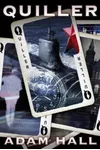
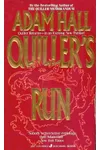
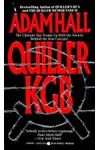

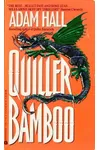


The Recommended Reading Order for Quiller
To fully experience Quiller’s development as an operative and the evolution of the Cold War itself, readers should follow the series in its original publication order. Because the narrative timeline matches the real-world publication dates, there is no separate chronological order to worry about. Starting from his mid-1960s debut in West Berlin to his post-Cold War operations in the late 1990s, reading the books in order allows you to watch the character age, adapt, and grow increasingly isolated.
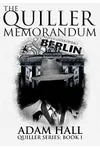
- The Berlin Memorandum (also published as The Quiller Memorandum) (1965)
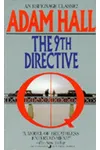
- The 9th Directive (1966)
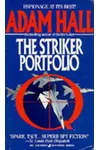
- The Striker Portfolio (1968)
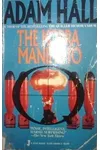
- The Warsaw Document (1971)
- The Tango Briefing (1973)
- The Mandarin Cypher (1975)
- Kobra Manifesto (1976)
- The Sinkiang Executive (1978)
- The Scorpion Signal (1980)
- Peking Target (1981)
- Northlight (also published as Quiller) (1985)
- Quiller's Run (1988)
- Quiller KGB (1989)
- Quiller Barracuda (1990)
- Quiller Bamboo (1991)
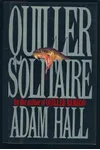
- Quiller Solitaire (1992)
- Quiller Meridian (1993)
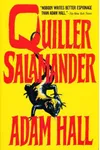
- Quiller Salamander (1994)
- Quiller Balalaika (1996)
Why the Publication Order Works Best
Unlike many long-running thriller franchises where the protagonist remains frozen in time, Quiller exists in a world where history actively moves forward. The early books are deeply rooted in the paranoia of a divided Europe, focusing on neo-Nazi conspiracies in Berlin and political unrest in Warsaw. As the series progresses, the geopolitical landscape shifts to include Asian theaters of operations, eventually dealing with the collapse of the Soviet Union and the rise of post-Cold War syndicates in Russia. Reading out of order can make these massive historical shifts disorienting.
Furthermore, Quiller’s mental state undergoes a slow, grinding decline. The toll of decades of deep-cover survival, isolation, and physical trauma is cumulative. The first-person narrative style makes the reader a direct witness to his psychological fatigue, making the journey much more impactful when experienced sequentially.
What to Know Before You Start
Before diving into the novels, it helps to understand what makes Quiller unique in the landscape of 20th-century espionage literature:
- No Guns, No Gadgets: In stark contrast to contemporary spy icons like James Bond, Quiller actively avoids carrying a firearm. He views guns as noisy, unpredictable, and a liability that invites escalation. Instead, he relies on his intellect, environmental awareness, and physical conditioning to survive.
- Martial Arts Realism: Author Elleston Trevor was a dedicated practitioner of Shotokan karate, earning a black belt later in his life. He infused Quiller with this authentic combat knowledge, detailing specific defensive moves, joint locks (Chin Na), and strikes instead of relying on generic action movie choreography.
- The Power of Breath: The books frequently reference Quiller's use of specialized breathing techniques, such as prana breathing and rhythmic breathing. He uses these methods to control his heart rate, manage fear, maintain concentration, and push through intense physical pain.
- The Bureau: Quiller’s employer is a highly secretive, deniable British government intelligence department referred to simply as "The Bureau." The Bureau operates without official records, and its directors (often referred to simply as Control or by code names like Loman) view their field operatives as entirely expendable assets.
On-Screen Adaptations
If you want to explore Quiller beyond the printed page, the character has made a few notable transitions to the screen:
- The Quiller Memorandum (1966 Film): This classic feature film stars George Segal as Quiller, Alec Guinness as Pol, and Max von Sydow as Oktober. The screenplay was written by the acclaimed playwright Harold Pinter, earning BAFTA nominations and bringing a stylized, tense atmosphere to the story.
- Quiller (1975 TV Series): A British television drama series produced by the BBC, featuring Michael Jayston in the title role. The series ran for 13 episodes and focused on Quiller's tense missions under his controller, Angus Kinloch (played by Moray Watson).