





The Recommended Reading Order
For most readers, the consensus is clear: the best way to experience the Riftwar Cycle is in publication order. This is the sequence officially recommended on Raymond E. Feist's resource site, Crydee. Reading the books as they were published allows you to witness the author's writing style evolve naturally and, more importantly, avoids spoilers for events that are revealed as mysteries in earlier-published books but occur chronologically earlier.
However, because the saga spans over thirty books, you do not have to read every single spin-off immediately. A popular and highly recommended compromise is the Saga-by-Saga path, which groups the subseries together while maintaining the general progression of the world's timeline. Here is the optimal roadmap:
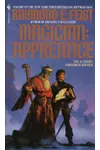
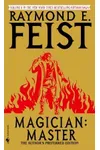
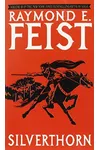
- The Riftwar Saga (Core): Start with the original trilogy. If you are reading modern editions, Magician is often split into two volumes: Magician: Apprentice and Magician: Master. Follow this with Silverthorn and A Darkness at Sethanon.
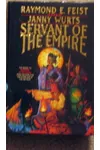
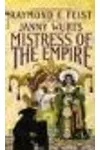
- The Empire Trilogy: Co-authored with Janny Wurts, this trilogy (Daughter of the Empire, Servant of the Empire, and Mistress of the Empire) takes place concurrently with the events of the Riftwar Saga but from the perspective of the alien world Kelewan. It is widely considered some of the finest work in the entire cycle and is essential reading.
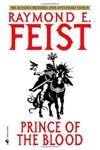
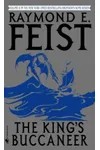
- Krondor's Sons: Read Prince of the Blood and The King's Buccaneer. In some collection lists, these are grouped with the Riftwar Saga, serving as a vital bridge to the next major generation of characters.
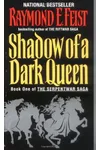
- The Serpentwar Saga: Move on to this four-book sequence (beginning with Shadow of a Dark Queen), which shifts focus to a new generation of heroes while keeping beloved characters like Pug and Jimmy the Hand active in the background.
- Later Core Sagas: Continue through the chronological timeline with Conclave of Shadows, the Darkwar Saga, the Demonwar Saga, and finally, the epic conclusion in the Chaoswar Saga.
- The Optional Side-Trips: You can read the Riftwar Legacy (tie-in novels based on the video games) and the Legends of the Riftwar (collaborative side stories) either in their publication spots or save them for after you have finished the main storyline.
Publication Order vs. Chronological Order
While a strict chronological reading order exists, it is generally discouraged for first-time readers. Chronological ordering forces you to jump between different series written decades apart, which disrupts the narrative flow and changes in writing style. For instance, the Legends of the Riftwar and the Riftwar Legacy series were published in the 2000s but are set chronologically during and immediately after the events of the original 1980s trilogy.
Reading chronologically can also spoil minor plot points. For example, character developments in the original trilogy are treated as exciting surprises, whereas prequels or side stories written later assume you already know who survives and who rises to power. To preserve the mystery and tension, stick to the publication order or the modified saga-by-saga order.
The Core Sagas and Subseries Explained
The Riftwar Saga
This is where it all begins. The story starts with Magician (1982) and introduces Pug, an orphan apprentice magician, and his childhood friend Tomas, a warrior. When a rift in space-time connects their home world of Midkemia to the exotic, samurai-influenced world of Kelewan, an interdimensional war breaks out. The core trilogy consists of:
- Magician: Apprentice (1982)
- Magician: Master (1982)
- Silverthorn (1985)
- A Darkness at Sethanon (1986)
Later additions grouped under the broader Riftwar umbrella in publication orders include Prince of the Blood (1989), The King's Buccaneer (1992), and the companion lorebook Midkemia: The Chronicles of Pug (2013).
Riftwar: The World on the Other Side (The Empire Trilogy)
Co-written with Janny Wurts, this trilogy is highly celebrated for its political intrigue, complex world-building, and strong female protagonist, Mara of the Acoma. It offers a fascinating look at the culture of Kelewan during the Riftwar. The books are:
- Daughter of the Empire (1987)
- Servant of the Empire (1990)
- Mistress of the Empire (1992)
The Serpentwar Saga
Set decades after the Riftwar, this tetralogy follows a new cast of characters, including the mercenary Rupert Avery and the criminal Erik von Darkmoor, as they defend Midkemia against a terrifying reptilian invasion. The titles are:
- Shadow of a Dark Queen (1994)
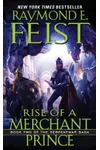
- Rise of a Merchant Prince (1995)
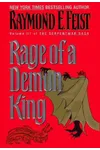
- Rage of a Demon King (1997)
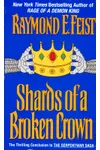
- Shards of a Broken Crown (1998)
Riftwar Legacy
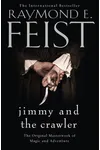
These books are heavily tied to the classic MS-DOS computer game Betrayal at Krondor, filling in gaps between the original Riftwar Saga and the Serpentwar Saga. The final book, Jimmy and the Crawler, was written to replace two cancelled novels and tie up loose threads. The series contains:
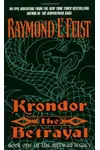
- Krondor: The Betrayal (1998)
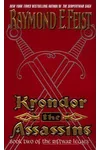
- Krondor: The Assassins (1999)
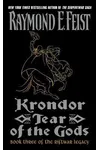
- Krondor: Tear of the Gods (2000)
- Jimmy and the Crawler (2013)
Legends of the Riftwar
These are collaborative side novels set during the events of the original Riftwar. They explore specific battles, local conflicts, and minor characters. The books include:
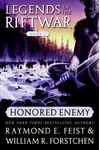
- Honored Enemy (2001, with William R. Forstchen)
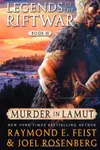
- Murder in LaMut (2003, with William R. Forstchen)
- Jimmy the Hand (2005, with S.M. Stirling)
Conclave of Shadows
This trilogy shifts focus to a new protagonist, Talon of the Silver Hawk, whose village is massacred. He is rescued by the Conclave of Shadows, a secret organization led by Pug, and trained to seek vengeance. The trilogy includes:
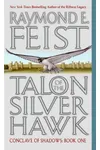
- Talon of the Silver Hawk (2002)
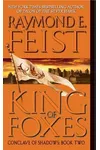
- King of Foxes (2003)
- Exile's Return (2004)
The Darkwar, Demonwar, and Chaoswar Sagas
These three sagas form the grand, cosmic finale of the entire Riftwar Cycle, raising the stakes to their absolute limits as Pug and his allies face multiversal threats, demon lords, and the literal collapse of reality. The books are:
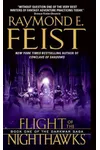
- Flight of the Nighthawks (2004)
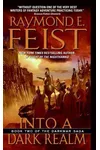
- Into a Dark Realm (2006)
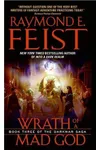
- Wrath of a Mad God (2008)
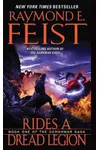
- Rides a Dread Legion (2009)
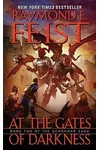
- At the Gates of Darkness (2009)
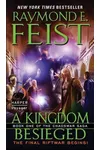
- A Kingdom Besieged (2011)
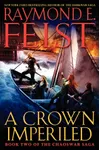
- A Crown Imperiled (2012)
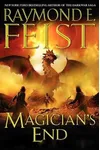
- Magician's End (2013)
What to Know Before You Start
Feist's world-building began not on a typewriter, but around a tabletop gaming table. Midkemia was originally designed by Feist's college gaming group, the Thursday Nighters, as an alternative setting to classic Dungeons & Dragons. This heritage shines through in the books' deep lore, tactical battles, and progression of characters from simple novices to powerful heroes.
While the scale of the 30-novel cycle can seem intimidating, it is helpful to think of the Riftwar Cycle as a series of self-contained chapters in a massive historical chronicle. You do not need to commit to all 30 books at once; the original trilogy (Magician, Silverthorn, and A Darkness at Sethanon) tells a satisfying, complete story on its own. You can happily stop there, or choose to venture deeper into the wider universe at your own pace.