
The Recommended Reading Order for Seven Deadly Sins
Erin McCarthy’s Seven Deadly Sins series is a dark, sensual paranormal romance trilogy set against the historic and mystical backdrop of New Orleans. Since the overarching narrative is tight and the thematic elements build upon one another, readers should follow the series in its original publication order. Here is the recommended reading order:
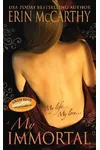
- My Immortal (2007) – Featuring Damien du Bourg and Marley Turner.
- Fallen (2008) – Featuring Gabriel St. John and Sara Michaels.
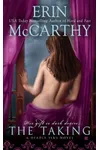
- The Taking (2010) – Featuring Felix LeBlanc and Regan Henry.
The Recommended Reading Path: Why Start with My Immortal?
While each book focuses on a different couple and a unique curse, starting with My Immortal is crucial for establishing the rules of the supernatural world McCarthy builds. In this first installment, readers learn about the nature of the dark bargains made with demons and fallen angels, which set the tone for the entire trilogy. Reading the books in order allows you to appreciate the subtle progression of the New Orleans setting, shifting from historical flashbacks to modern-day investigation, and makes the secondary characters and thematic threads feel cohesive.
Detailed Book-by-Book Breakdown
1. My Immortal (2007)
The trilogy opens in the late 18th century, where Damien du Bourg, a wealthy and arrogant plantation owner, makes a desperate, unholy bargain with a fallen angel to save his own life. In exchange for immortality, Damien is cursed: he must spend eternity inspiring uncontrollable, maddening lust in everyone who crosses his path, while never finding true satisfaction himself.
Over two centuries later, Marley Turner arrives at Damien's historic New Orleans plantation in search of her missing sister. She is instantly pulled into Damien's decadent, dangerous world. However, Marley proves to be the first woman in two hundred years who can resist Damien's unnatural allure, forcing him to confront his centuries-old curse and the dark choices of his past. The book is known for its steamy atmosphere and its use of historical diaries and letters to flesh out Damien's backstory.
2. Fallen (2008)
The second book shifts the focus to Gabriel St. John, a fallen angel who has been stranded on the mortal plane as penance. In the 1840s, Gabriel succumbed to the temptation of alcohol—specifically absinthe—and woke up from a stupor to find his mortal mistress brutally murdered. Although he was acquitted, he has spent more than 150 years haunted by the guilt and the terrifying uncertainty of whether he was the killer.
In modern New Orleans, Gabriel works as a true crime author. When a new string of murders begins to mirror his tragic past, he joins forces with forensic scientist Sara Michaels, who is dealing with her own grief after the murder of her mother. Together, they investigate the crimes while navigating an intense, mutual attraction that challenges their respective emotional scars and addictions.
3. The Taking (2010)
The final book in the trilogy focuses on Felix LeBlanc, a powerful voodoo priest bound by his own greed and a curse resulting from a deal with a demon. When Regan Henry, a wealthy heiress fleeing an unhappy marriage, buys a historic New Orleans mansion, she finds herself targeted by the malevolent spirit of a woman named Camille, who fell to her death from the building's balcony.
Regan turns to Felix for help in cleansing the home. Despite his initial reluctance and his fear of draggin Regan into his cursed existence, Felix is drawn to her. As they fight the vengeful spirit and Felix's own demonic obligations, they must find a way to break his spiritual bonds to secure a future together.
Chronological vs. Publication Order: Timeline Caveats
Strictly speaking, the main plots of all three novels occur in contemporary modern times, matching their publication order. However, each book heavily features historical flashbacks, characters' memories, or diary entries that span back to the late 18th century (in My Immortal), the 1840s (in Fallen), and various points in New Orleans' past. Because these historical segments serve as backstory to explain the characters' current curses rather than a separate, overarching plot, a chronological reading order based on these flashbacks is not practical. Stick to the publication order to experience the mysteries and character revelations as the author intended.
Key Themes & Setting the Scene
McCarthy utilizes the rich history, voodoo culture, and sultry atmosphere of New Orleans to ground her supernatural elements. The city acts as a character in its own right, with its historic plantations, French Quarter alleyways, and mystical aura matching the high-intensity romance of the series. The primary themes center around the concepts of sin, penance, and redemption. Each protagonist is physically or spiritually bound by a specific vice—lust, addiction, or greed—and their romantic journeys are deeply intertwined with their quest to find redemption and break their curses.
Practical Reader Advice
Can they be read as standalones? Yes. Each book features a self-contained romance with a clear beginning, middle, and resolution. You will not face major cliffhangers between the novels. However, the recurring themes of demonic bargains, curses, and the shared New Orleans setting make reading them as a trilogy a far more satisfying experience.
Are there spin-offs or companion novels? No. Despite the series name suggesting seven books (one for each of the seven deadly sins), Erin McCarthy only published three books in this specific series. There are no known novellas, short stories, or spin-off series associated with these characters.
What to Know Before You Start
This series is classified as paranormal romance with strong erotic elements, meaning the romance is highly explicit and mature. Additionally, the books deal with some darker themes, including murder investigations, substance abuse (absinthe and sleeping pill addictions), and demonic pacts. If you enjoy a mix of historical lore, voodoo mysticism, and high-steam romance, this short trilogy is a quick and immersive read.