






The Recommended Reading Path
For readers diving into the world of Margaret Maron's NYPD Homicide Lieutenant Sigrid Harald, the best path forward is straightforward: read the books in publication order. Unlike some procedural series where chronology jumps around, Sigrid's career, her personal relationships, and the long-running investigation into her father's unsolved death develop sequentially. Starting from the beginning allows you to witness her gradual transformation from a socially awkward, emotionally guarded detective into a self-aware, seasoned investigator.
In addition to the core nine novels, readers should not miss the crossover novels from Maron's companion series. Sigrid is established as a cousin of North Carolina District Judge Deborah Knott. To get the complete picture of Sigrid's character arc, you should slot the crossover novels, Three-Day Town and The Buzzard Table, between the eighth and ninth novels of her main series.
The Core Sigrid Harald Series in Publication Order
Here is the chronological publication list of the core Sigrid Harald books. Reading these in order ensures you follow the natural evolution of the New York art scene, the NYPD administrative changes, and Sigrid's personal life:
- One Coffee With (1981): The series opener introduces Sigrid investigating a professor's poisoning at a New York college department. Inspired by Maron's own time working as a secretary in the art department at Brooklyn College, this book sets up Sigrid's sharp intellect and her initial professional environment.
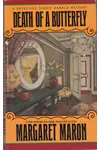
- Death of a Butterfly (1984): Sigrid untangles a web of blackmail, greed, and stolen gems following the murder of a young mother.
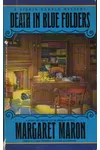
- Death in Blue Folders (1985): When a lawyer is murdered, Sigrid must sift through confidential blue files to uncover secrets that multiple people would kill to keep hidden.
- The Right Jack (1987): Set against the backdrop of a competitive bridge tournament, this novel showcases Maron's talent for puzzle-like classic mystery plots.
- Baby Doll Games (1988): A complex case involving theatrical ties, local politics, and a murder that hits close to home.
- Corpus Christmas (1989): A holiday-themed mystery set within an art museum foundation. This novel was critically acclaimed, earning nominations for both the Agatha and Anthony Awards.
- Past Imperfect (1991): A critical book for the series' overarching narrative. As Sigrid investigates a fellow officer's murder, she uncovers vital clues regarding the cold case of her own father's death.
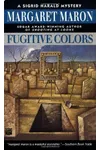
- Fugitive Colors (1995): Returning to the NYC art world, Sigrid investigates the death of a prominent artist. For over two decades, this served as the temporary stopping point for the character.
- Take Out (2017): The final novel in the series, published twenty-two years after Fugitive Colors. It wraps up Sigrid's career and personal journey with a poignant investigation involving the deaths of two homeless men in NYC.
The Deborah Knott Crossovers: The Expanded Universe
Margaret Maron famously bridged her two separate mystery series by revealing that Sigrid Harald and North Carolina Judge Deborah Knott are cousins. If you want to follow Sigrid's complete journey, you should read these two Deborah Knott novels, which act as a bridge during the long gap between Fugitive Colors (1995) and Take Out (2017):
Three-Day Town (2011)
This is the 17th book in the Deborah Knott series. When Deborah and her husband, Sheriff's Deputy Dwight Bryant, travel to New York City for a delayed honeymoon, their trip is disrupted by a murder in their apartment building. Lieutenant Sigrid Harald is assigned to the case, leading to a brilliant team-up between the two cousins. This book won the Agatha Award for Best Novel and marked Sigrid's return to the mystery scene after a 16-year publishing hiatus.
The Buzzard Table (2012)
This is the 18th book in the Deborah Knott series. In a reversal of the previous crossover, Sigrid Harald and her mother, Anne Harald, travel down to North Carolina to visit their southern family. The change of scenery provides excellent character development for Sigrid, contrasting her urban, reserved demeanor with the warm, chaotic energy of the Knott clan, all while a local mystery unfolds.
Chronological Order and Continuity Caveats
While the publication order is the most logical way to read the series, there are several chronological shifts and historical context differences to keep in mind. The first eight books (published between 1981 and 1995) take place in a late 20th-century New York City. Sigrid relies on classic detective work, interviews, and intellectual deduction rather than cell phones, internet databases, or advanced DNA profiling.
When Margaret Maron returned to Sigrid in Three-Day Town (2011) and Take Out (2017), the setting shifted into the modern, high-tech era. The transition is handled smoothly, but readers should be prepared for the sudden jump in technology and real-world decades, even though Sigrid herself has not aged by twenty-two years in the story's internal timeline. Treating the later books and crossovers as a continuation of her personal evolution, despite the real-world time jump, is the best way to enjoy the continuity.
What to Know Before You Start
Before stepping into Sigrid Harald's world, it is helpful to understand the tone of the series. Unlike the cozy, rural warmth of the Deborah Knott books, the Sigrid Harald series is a classic urban police procedural. However, it avoids graphic violence, focusing instead on character psychology, workplace dynamics, and intricate clues. Sigrid herself is an atypical protagonist for the era: she is highly introverted, struggles with social cues, and must navigate the institutional sexism of the 1980s NYPD. Her relationship with her artist mother, Anne, and her pursuit of the truth behind her police officer father's death form the emotional backbone of the series, making it a rewarding experience for fans of character-driven mystery novels.