



The Recommended Reading Order for Silas Seaweed
For readers diving into the rain-soaked streets and dark alleys of Victoria, British Columbia, the best way to experience the Silas Seaweed mysteries is in publication order. Because the books follow the personal evolution of Silas Seaweed—his relationships, his standing with the Victoria Police Department, and his growing connection to his Coast Salish roots—reading them chronologically by release date ensures you catch all the character development and running plot threads.
Fortunately, the internal chronological order matches the publication sequence perfectly. Here is the complete order of the novels:
- Seaweed on the Street (2005)
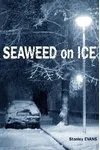
- Seaweed on Ice (2006)
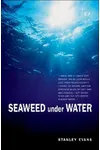
- Seaweed Under Water (2007)
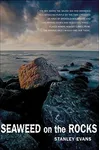
- Seaweed on the Rocks (2008)
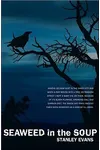
- Seaweed in the Soup (2009)
- Seaweed in the Mythworld (2011/2012)
- Seaweed Under Fire (2017)
A Closer Look at the Silas Seaweed Novels
Stanley Evans crafted a unique blend of hard-boiled detective fiction and First Nations spirituality. Let's break down each book in the series to see what Silas is up against in each investigation.
1. Seaweed on the Street (2005)
In this series opener, readers are introduced to Silas Seaweed, a street-smart cop working the downtown Victoria beat. The case kicks off when a billionaire hires Silas to find his missing daughter. The investigation takes Silas far beyond the local Vancouver Island harbor, leading him on a dangerous trail through Seattle and into the casinos of Reno, Nevada. Along the way, he uncovers a sordid network of greed, obsession, and drug trafficking, setting the gritty, hard-boiled tone for the rest of the series.
2. Seaweed on Ice (2006)
The second installment finds Silas investigating two seemingly unrelated mysteries that eventually entangle. He is tasked with locating a missing elderly Jewish immigrant and recovering a collection of valuable art stolen during World War II. At the same time, a local Coast Salish archaeological site is threatened by developers, and the local community is preparing for their sacred Winter Ceremony. Evans weaves together historical grievances and modern local politics against the backdrop of chilly winter weather.
3. Seaweed Under Water (2007)
This award-winning novel begins with a missing-person report that quickly turns into a murder investigation when a woman named Jane Colby is found drowned, bearing signs of strangulation. Silas must interview a cast of suspects who all had motives for wanting her dead, navigating a wealthy family's web of dark secrets. To crack the case and survive the ordeal, Silas undergoes a profound, near-fatal underwater vision quest that deepens his relationship with his heritage. This book won Monday Magazine's Best Novel of 2007 award.
4. Seaweed on the Rocks (2008)
In this fourth outing, the discovery of a young Coast Salish woman dying of a drug overdose leads Silas into the shadowy fringes of local First Nations reserves. The investigation takes a bizarre turn when Silas is confronted by a ten-foot-tall bear in a local marsh. Believing the beast is a human hoax designed to terrify locals, Silas's investigation uncovers blackmail, a murdered hypnotist, and fraudulent ceremonies staged to exploit spiritual traditions.
5. Seaweed in the Soup (2009)
The mystery hits close to home when the wife of a fellow police officer is found murdered, and two local girls are named as the primary suspects. As gang violence escalates in the city, Silas finds himself targeted by corrupt elements and must work to clear his own name. The investigation eventually takes him away from the urban center of Victoria to the isolated, beautiful, and treacherous islands of Desolation Sound to hunt down the real killers.
6. Seaweed in the Mythworld (2011/2012)
This installment pushes the series' mythological and political elements to their limits. Silas is caught between a dying Governor General who needs an Indigenous shaman to perform their last rites and reports of giant Thunderbirds sighted in the skies of British Columbia. With Chinese assassins, a brutal gang boss, and high-stakes international intrigue, Silas must rely heavily on both his street smarts and spiritual guidance to navigate this complex web.
7. Seaweed Under Fire (2017)
Published after a long hiatus, the final novel in the series sees Silas investigating a series of targeted hits. After a confidence trickster is murdered, Silas is drawn into Victoria's nightlife, visiting clubs and bars to find the killers. Assisted by mystical occurrences—including a black wolf that guides him to a hidden cave and a symbolic journey to the land of the dead—Silas must fight his way through a web of corrupt lawyers, businessmen, and police officers to bring about justice.
Practical Reading Advice
Here is what you need to know to make the most of your journey through the Silas Seaweed series:
- Start at the Beginning: While the mystery in each book is resolved by the final page, we highly recommend starting with Seaweed on the Street. The evolution of Silas's character and his deepening spiritual journey are much more rewarding when read in order.
- Can they be read as standalones? Yes, the procedural crime plots are self-contained. However, skipping books will cause you to miss key developments in Silas's personal relationships and his ongoing struggle to balance his role as a modern city cop with his cultural roots.
- The Shifting Publishers: The first five books in the series were published by the regional press TouchWood Editions. After a short break, the sixth and seventh books, Seaweed in the Mythworld and Seaweed Under Fire, were published by Ekstasis Editions. This transition accounts for minor changes in distribution and availability for the later books.
What to Know Before You Start
Stanley Evans, the creator of Silas Seaweed, had a colorful life before turning to mystery novels, working as a soldier, deep-sea fisherman, and playwright. His writing style is a distinct homage to classic American noir writers like Raymond Chandler, mixed with the regional, cultural detective focus of Tony Hillerman.
It is worth noting that while Evans researched Coast Salish spirituality and mythology for the series, he openly stated that his books depict these cultural elements as a narrative device rather than as a strict reflection of contemporary practices. The books offer an atmospheric, hard-boiled look at Victoria's underbelly, contrasting the picturesque tourist areas of Vancouver Island with the gritty realities of modern crime, systemic issues, and cultural displacement.
Are there Spin-Offs or Co-authored Books?
There are no spin-offs, co-authored books, or short story collections in the Silas Seaweed universe. However, if you enjoy Stanley Evans's gritty British Columbia settings and snappy dialogue, you may want to check out his other series, the Sergeant Decker historical mysteries. Written under the name Stan Evans, this series includes Outlaw Gold (1996) and Snow-Coming Moon (1997) and follows a frontier lawman in 1860s British Columbia during the Gold Rush era.