





The Recommended Reading Path: Follow the Cursus Honorum
For readers diving into the corrupt, vibrant streets of late Republican Rome, the best way to read the SPQR series is in publication order. John Maddox Roberts constructed the series to mirror the real-life career ladder of a Roman senator, known as the cursus honorum. By reading the books in the order they were published, you watch the protagonist, Decius Caecilius Metellus the Younger, grow from a cynical, low-ranking street investigator into a powerful magistrate and commander, all while the Roman Republic itself marches toward its dramatic collapse.
Because Roberts wrote the series chronologically, the publication order and the chronological order are almost identical. The only minor exceptions are a few short stories published out of order in various historical mystery anthologies and two novels that shift slightly backward in the timeline to fill in gaps. Reading them in publication order keeps the character growth and running jokes perfectly aligned.
The Core SPQR Novels in Publication Order
The core of the SPQR series consists of thirteen novels published between 1990 and 2010. Each book functions as a standalone mystery, but they are bound together by Decius's personal life, his political promotions, and the brewing civil war between Julius Caesar and Pompey the Great.
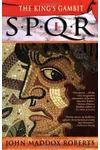
- The King's Gambit (1990): Set in 70 BC. Decius is a low-level commission member investigating a series of gruesome murders in the Subura slums, uncovering a conspiracy tied to the ongoing Mithridatic War.
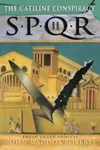
- The Catiline Conspiracy (1991): Set in 63 BC. Decius has risen to the office of Aedile and becomes caught in the infamous real-life plot by Catiline to overthrow the Roman government.
- The Sacrilege (1992): Set in 62 BC. Decius is elected Quaestor and must investigate the shocking desecration of the Bona Dea rites by the notorious Clodius Pulcher.
- The Temple of the Muses (1992): Set in 60 BC. Decius is sent on a diplomatic mission to Alexandria, Egypt, where he must solve a murder at the famous Library of Alexandria.
- Saturnalia (1994): Set in 59 BC. Back in Rome, Decius investigates the poisoning of a prominent noblewoman during the chaotic Saturnalia festival.
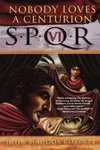
- Nobody Loves a Centurion (1995): Set in 58 BC. Decius serves as a military tribune in Gaul under Julius Caesar, investigating the murder of a brutal centurion.
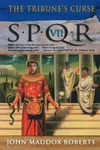
- The Tribune's Curse (1996): Set in 55 BC. Back in Rome, Decius handles the fallout of a curse placed on Crassus's army as they march to their doom in Parthia.
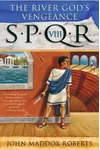
- The River God's Vengeance (1997): Set in 53 BC. Decius is elected Aedile again, investigating corruption and murder after a disastrous Tiber flood.
- The Princess and the Pirates (2000): Set in 50 BC. Decius is appointed Praetor Peregrinus and travels to the island of Cyprus to deal with local piracy and the murder of a royal princess.
- A Point of Law (2001): Set in 49 BC. With the Republic on the brink of civil war, Decius campaigns for the office of Praetor while investigating a politically sensitive murder.
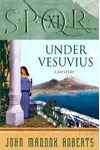
- Under Vesuvius (2001): Set in 50 BC. Although published after A Point of Law, this book takes Decius to the resort towns of Campania, near Mount Vesuvius, to investigate the murder of a priest's daughter.
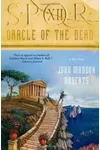
- Oracle of the Dead (2005): Set in 50 BC. Decius remains in southern Italy, dealing with a violent turf war between local religious cults and the murder of Apollo's priests.
- The Year of Confusion (2010): Set in 46 BC. Decius is back in Rome during Julius Caesar's massive calendar reform, investigating the murders of several astronomers.
Chronological Caveats: The Campania Duology
While the publication order is highly recommended, purists tracking Decius's career should note a small chronological shift near the end of the series. The tenth novel, A Point of Law, is set in 49 BC as the Caesar-Pompey civil war begins. The eleventh and twelfth novels, Under Vesuvius and Oracle of the Dead, step slightly back in time to 50 BC to document Decius's time handling judicial duties in the Campania region.
If you prefer a strict chronological reading, you should read Under Vesuvius and Oracle of the Dead immediately after The Princess and the Pirates (also set in 50 BC), and then read A Point of Law. However, reading them in publication order works perfectly fine, as the Campania books serve as a fun, self-contained travelogue before the heavy political storms of the civil war take center stage.
Where the Short Stories Fit
John Maddox Roberts wrote several SPQR short stories that were published in various mystery anthologies and magazines. While they are not essential to understanding the main novels, they provide delightful snapshots of Decius's life. Here is where they fit chronologically:
- "The Statuette of Rhodes" (60 BC): Set during Decius's travels in the East. He investigates a murder involving the Colossus of Rhodes. (Read after The Temple of the Muses).
- "Mightier Than the Sword" (53 BC): Decius investigates a body found in a Roman townhouse basement. (Read during or after The River God's Vengeance).
- "The Etruscan House" (52 BC): Decius solves the murder of a Roman senator in the countryside. (Read after The River God's Vengeance).
- "An Academic Question" (51 BC): Set in Athens, serving as a direct prequel to Decius's journey in The Princess and the Pirates. (Read before The Princess and the Pirates).
- "Venus in Pearls" (46 BC): Julius Caesar tasks Decius with recovering a stolen breastplate before his triumph. (Read before The Year of Confusion).
- "The Will" (44 BC): Decius investigates the mysterious aftermath of Julius Caesar's assassination and his will. (Read after The Year of Confusion).
- "The King of Sacrifices" (20 BC): A late-career case set long after the Republic has fallen and Augustus Caesar is in power. (Read as a series epilogue).
What to Know Before You Start
The SPQR series is written in the first person, structured as the memoirs of an elderly Decius looking back on his wild youth from the safety of the reign of Augustus Caesar. This framing device allows Roberts to inject a great deal of historical hindsight, dry humor, and cynical commentary about the fall of the Republic.
Roberts is highly praised for his historical accuracy. Rather than keeping Decius in a bubble, the books throw him directly into the path of major historical figures. You will see Decius trade barbs with the brilliant orator Cicero, clash with the dangerous gang leader Titus Annius Milo, and navigate the shifting alliances of Julius Caesar himself. The series is complete; John Maddox Roberts passed away in May 2024, leaving behind a 13-novel legacy that stands as one of the most accessible and entertaining entries in Roman historical fiction.
There are no co-authored books or direct spin-offs in the SPQR universe. However, if you finish the series and crave more Roman mystery, Steven Saylor's Roma Sub Rosa series (following Gordianus the Finder) and Lindsey Davis's Marcus Didius Falco series are the perfect next steps, offering a similar blend of historical detail and detective work.