
The Recommended Reading Order for Springwater Seasons
Linda Lael Miller’s Springwater Seasons series (often referred to simply as the Springwater series) is best experienced in publication order. Because the town of Springwater, Montana, grows and matures with every story, reading the books in the order they were released allows you to witness the evolution of the settlement alongside the characters. The series is divided into the historical origin story, a set of four sequential seasonal novellas, a historical holiday sequel, and a modern contemporary reunion novel.
Here is the recommended reading path for the series:
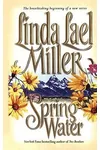
- Springwater (1998) – The Historical Origin Story
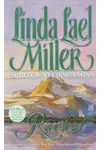
- Rachel (1999) – Springwater Seasons: Book 1 (Winter)
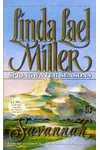
- Savannah (1999) – Springwater Seasons: Book 2 (Spring)
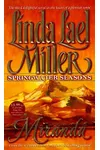
- Miranda (1999) – Springwater Seasons: Book 3 (Summer)
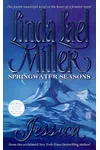
- Jessica (1999) – Springwater Seasons: Book 4 (Autumn)
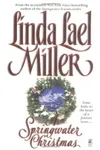
- A Springwater Christmas (1999) – Historical Holiday Sequel
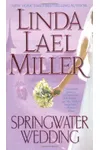
- Springwater Wedding (2001) – Contemporary Sequel / Epilogue
Publication Order vs. Chronological Order
For the Springwater series, publication order and chronological order are almost completely aligned. The first six books take place sequentially during the late 19th century, starting with the town's founding and continuing through the seasonal development of the community. The only major leap is the final book, Springwater Wedding, which jumps forward over a century to the contemporary era. Readers who attempt to read the books out of order may find themselves confused by the sudden appearance of new buildings, municipal roles, and returning character cameos who have already married and settled down.
Here is a breakdown of the timeline structure:
- The Historical Era (Late 19th Century): Spans from the town's initial establishment as a lonely stagecoach stop in Springwater, through the seasonal expansion of the town in the four core novellas (representing Winter, Spring, Summer, and Autumn), and concludes with the post-Civil War recovery years in A Springwater Christmas.
- The Contemporary Era (Modern Times): Springwater Wedding takes place in the modern era (around the turn of the 21st century). It focuses on descendants and the revitalization of the historic town landmarks, specifically the old stagecoach station being converted into a modern bed-and-breakfast.
Deep Dive into the Springwater Novels
1. Springwater (1998)
This full-length novel establishes the foundation of the town. Evangeline Keating, a resilient young widow, travels to the Montana Territory with her young daughter, Abigail, to marry a man she has only ever corresponded with. However, when she arrives at the isolated stagecoach stop, she discovers her prospective groom is away, and his rugged ranching partner, Scully Wainwright, is left to look after her. As they survive the harsh elements and protect each other, a deep bond develops that changes the course of their lives and establishes the town of Springwater.
2. Rachel (1999)
The first of the four seasonal novellas (representing Winter), this book follows Rachel English, a proper schoolteacher who arrives to educate the children of the growing town. She clashes immediately with Trey Hargreaves, a handsome but rough-around-the-edges widower who co-owns the local saloon. Trey is raising a young daughter of Lakota heritage, and through patience and understanding, he and Rachel find common ground and love amidst the winter snows.
3. Savannah (1999)
Representing the Spring season, this story centers on Savannah, a dance-hall girl with a heart of gold who is looking to start fresh. She crosses paths with Dr. Prescott Parrish, a local physician who is physically and emotionally wounded by past failures. Savannah's gentle nature and quiet resilience help heal the doctor's spirit, demonstrating the theme of redemption and community acceptance in the young frontier town.
4. Miranda (1999)
Set during the Summer, this novella follows Miranda, an unwed mother seeking safety and a respectable home for herself and her child. She enters into a marriage of convenience with Landry Kildare, a pragmatic local rancher. As they build a home together on the Montana prairie, their arrangement grows from mutual convenience into genuine, passionate love, highlighting the power of second chances.
5. Jessica (1999)
The Autumn novella concludes the core seasonal cycle. Jessica arrives in Springwater to salvage her late brother's failing local newspaper. Her search for truth and editorial independence brings her into direct conflict with the town's handsome mayor, Gage Calloway. The ensuing battle of wits and sparks of romance make for a lively, engaging conclusion to the town's seasonal chronicles.
6. A Springwater Christmas (1999)
This festive historical novel focuses on Jack McLaughlin, a Civil War veteran haunted by a secret battle promise. He returns to his family's town of Springwater under an assumed identity to watch over his parents from afar. He finds lodging at a boarding house run by Olivia Darling, a strong-willed newcomer from the East. As Christmas approaches, Olivia's warmth helps break down Jack's emotional walls, culminating in a dramatic family reunion and a heartwarming holiday romance.
7. Springwater Wedding (2001)
Leaping forward to the modern era, this contemporary sequel follows Maggie McCaffrey, who returns to her childhood home in Springwater after leaving a stressful corporate career behind. She aims to renovate the historic, run-down Springwater stagecoach station into a modern bed-and-breakfast. In doing so, she reunites with her old flame, J.T. Wainwright, a former NYC police officer recovering from trauma who now serves as the deputy town marshal. Together, they resolve unresolved feelings and work to protect the town's legacy.
What to Know Before You Start
Linda Lael Miller, frequently called the "First Lady of the West," is renowned for her ability to balance rugged frontier realism with soft, emotional character growth. The Springwater Seasons books are relatively short, quick reads (with the four seasonal novellas originally published in consecutive months and frequently compiled into a single omnibus volume). The town itself is the true main character of the series, growing from a simple outpost with a single station into a fully functional town with a schoolhouse, a saloon, a doctor's office, and a local newspaper. While the historical entries offer classic frontier romance tropes, the contemporary conclusion provides a satisfying look at how the legacy of the town's founders persists into modern times.