



The Recommended Reading Order for the Sunny Series
If you are looking to dive into the warm, nostalgic, yet emotionally honest world of Sunny Lewin, the recommended reading order matches the order of publication. Because Sunny grows older, changes schools, and tackles new developmental milestones in each installment, following the series chronologically gives you the best experience of her coming-of-age journey.
Here is the recommended order to read the Sunny books:
- Sunny Side Up (2015)
- Swing It, Sunny (2017)
- Sunny Rolls the Dice (2019)
- Sunny Makes a Splash (2021)
- Sunny Makes Her Case (2024)
- Sunny Figures It Out (2025)
A Closer Look at the Books in the Sunny Series
1. Sunny Side Up (2015)
Set during the summer of 1976, this series opener introduces ten-year-old Sunshine 'Sunny' Lewin. Instead of spending her summer vacation at the beach, she is sent to live with her grandfather in a Florida retirement community. While initially adjusting to the slow-paced lifestyle of senior citizens, she soon meets Buzz, a comic-book-loving kid, and begins going on adventures. Beneath the fun and retro-pop exterior, however, lies a heavy secret: Sunny has been sent away to shield her from her older brother Dale’s escalating substance abuse. Through well-crafted flashbacks, the graphic novel tackles family addiction with incredible sensitivity.
2. Swing It, Sunny (2017)
Following her summer in Florida, Sunny returns home to Pennsylvania and begins her transition into middle school. Life has changed; her brother Dale has been sent to boarding school to address his struggles, leaving a quiet and tense home environment. Sunny must learn to navigate changing friendships, family dynamics, and the daily pressures of middle school, all while trying to maintain her cheerful outlook on life. It is a story about finding balance when the world around you is shifting.
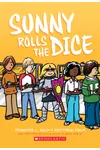
3. Sunny Rolls the Dice (2019)
It is 1977, and Sunny is entering the seventh grade. Suddenly, the things she used to love—like playing with dolls—are deemed immature by her peers, who are moving on to fashion, makeup, and boys. Feeling left out, Sunny finds a new passion in the tabletop role-playing game Dungeons & Dragons. Alongside a new group of friends, she learns that fitting in is less important than being true to what makes you happy, even if it means rolling a few twenty-sided dice.
4. Sunny Makes a Splash (2021)
Summer is back, and Sunny is looking for something exciting to do. When she lands a job at the local community pool's snack bar, she gets a taste of real responsibility and financial independence. The book explores typical teenage milestones: first crushes, working alongside older kids, and learning to manage money, all set against a breezy, sun-drenched backdrop of pool days and summer vibes.
5. Sunny Makes Her Case (2024)
Sunny enters the competitive world of the middle school debate team. As she researches cases and practices arguments, she learns how to speak up, represent her beliefs, and stand ground during conflicts. The volume continues to develop her family relationships, especially with her brother Dale, as they both continue to grow and heal from past family struggles.
6. Sunny Figures It Out (2025)
In this installment, Sunny faces the complicated boundary between friendship and dating. She loves spending time with her close friend Tony, but when friends suggest they should act like a traditional couple—such as doing the 'couples-skate' at the roller rink—Sunny begins to feel uncomfortable. The story captures her journey toward understanding that she gets to define her own relationship terms rather than following the expectations of others.
Chronological Order vs. Publication Order
Fortunately for readers, there is no confusing timeline to sort out. The chronological order of the narrative directly mirrors the publication order. Sunny grows from a ten-year-old navigating the summer of 1976 in the first book, through middle school in the late 1970s, up into early adolescence by the end of the series. Reading the books out of order is not recommended, as you would miss the progressive development of her brother Dale's recovery, Sunny's evolving friendships, and her own personal maturity.
What to Know Before You Start Reading Sunny
Before diving in, readers should know that while the Sunny series is incredibly fun and packed with 1970s nostalgia—featuring roller skates, classic TV shows, and retro snacks—it does not shy away from serious issues. The core emotional thread of the early books deals with how a sibling's drug addiction affects the entire family, particularly younger children. The creators, sibling duo Jennifer L. Holm and Matthew Holm, drew heavily on their own childhood experiences with family addiction to write these segments. The graphic novel format, paired with the colorful palette of colorist Lark Pien, helps to deliver these heavy themes in a way that is accessible, hopeful, and deeply empathetic for young readers.