




How to Read the Sunnybank Books: The Recommended Order
The dog stories of Sunnybank, written by Albert Payson Terhune, are largely episodic collections of stories rather than a single continuous saga. Because of this, you do not need to follow a strict chronological plot progression. However, reading them in a specific order helps you appreciate the legacy of Terhune's real-life collies and the development of the Sunnybank estate in New Jersey.
We recommend starting with the core "Lad" stories before branching out into the biographies of other Sunnybank collies and Terhune's broader dog collections.
Phase 1: The Core "Lad" Stories
Lad was Terhune's first and most famous Rough Collie, and his adventures form the emotional heart of the Sunnybank books. To follow Lad's life and legacy, read these titles first:
- Lad, a Dog (1919): The book that started it all. A collection of twelve interconnected stories introducing Lad, his mate Lady, and their life at the estate.
- Further Adventures of Lad (1922): Also published under the title Dog Stories Every Child Should Know, this collection continues Lad's heroic exploits, detailing his bravery and interactions with the family.
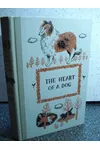
- The Heart of a Dog (1921): A beautifully illustrated collection of stories featuring Lad and other canine companions.
- Lad of Sunnybank (1929): The final dedicated Lad book, capturing anecdotes from the collie's later years alongside tales of other animals.
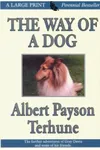
- The Way of a Dog (1932): Features stories about Lad, his son Wolf, and other dogs, highlighting the enduring spirit of the Sunnybank bloodlines.
Phase 2: The Sunnybank Collie Biographies
Once you have finished Lad's adventures, explore the stories of the other famous collies who lived at the estate. Each book focuses on a specific dog, based on a real-life resident of Sunnybank:
- Bruce (1920): The story of a strong, sensible collie who becomes a hero during World War I.
- Buff (1921): Follows the life of a brave collie who shows immense grit and loyalty through challenging adventures.
- Treve (1924): Centered on a golden-red collie with a lively, independent spirit.
- Wolf (1925): The story of Lad and Lady's son, a collie who became legendary at Sunnybank for his quick thinking and heroic self-sacrifice.
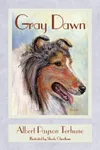
- Gray Dawn (1927): Focuses on a silver-gray collie who was a mischievous but fiercely loyal companion.
Phase 3: Broader Dog Tales and Collections
To round out your journey through Terhune's world, you can read his other standalone dog stories, collections, and regional tales in any order. Many of these feature Sunnybank collies as minor characters or focus on other breeds:
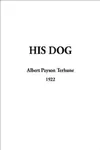
- His Dog (1922): A touching novel about a lonely man whose life is transformed by the companionship of a stray collie.
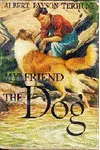
- My Friend the Dog (1922): A collection of stories highlighting the unique, near-human intelligence of dogs.
- A Book of Famous Dogs (1922): Also released as Famous Dog Stories Every Child Should Know, containing historical and fictional tales of exceptional dogs.
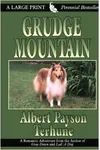
- Grudge Mountain (1923): Also known as Dog of the High Sierras, this story blends a mystery plot with a loyal dog's journey.
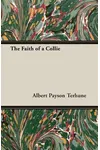
- Treasure (1926): Later republished as The Faith of a Collie, centering on a dog's devotion.
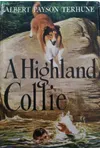
- The Luck of the Laird (1926): Also known as A Highland Collie, which brings a Scottish flavor to the classic collie tale.
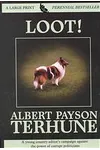
- Loot! (1928): Later published as Collie to the Rescue, combining rural action with dog heroism.
- A Dog Named Chips (1931): The story of a clever, mischievous fox terrier who wins over his household.
- Real Tales of Real Dogs (1935), True Dog Stories (1936), and The Critter and Other Dogs (1936): Anthologies containing real-life accounts of dogs, including Terhune's personal observations.
- Unseen! (1937) and Dogs (1940): Later-career stories and reflections celebrating canine loyalty.
What to Know Before You Start
Albert Payson Terhune was not just an author; he was a dedicated breeder of Rough Collies at his Sunnybank Kennels. Most of the dogs featured in his books were based on real animals he owned, and their graves can still be visited at the Terhune Memorial Park in Wayne, New Jersey today. Because the books were written in the early 20th century, modern readers should keep a few caveats in mind:
- Episodic Structure: Many of these books were originally published as individual short stories in popular magazines like Red Book before being compiled. As a result, you will notice some repetition of background details from chapter to chapter.
- Ornate Tone: Terhune writes in a florid, nostalgic style typical of the early 1900s. He often describes dogs with human-like emotions and a level of intelligence that modern animal behaviorists might find idealized.
- Dated Language: Some books contain social and cultural depictions common to the early 20th century that modern readers may find dated.
- Alternative Titles: Many of Terhune's books were repackaged and retitled in mid-century editions (e.g., Treasure becoming The Faith of a Collie). Checking the publication year is the best way to ensure you do not buy the same book twice under different names.