
The Recommended Reading Order
The best way to read the Symphony of Ages series is in publication order. Because the narrative spans centuries, incorporates time travel, and builds upon a complex magic system centered on true names, following the order in which Elizabeth Haydon released the books ensures you experience the character arcs, world-building, and plot twists as they were meant to unfold.
While there are prequel materials, reading them first can spoil core mysteries or feel tonally disjointed. Stick to the order below for the main sequence:
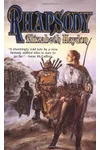
- Rhapsody: Child of Blood (1999)
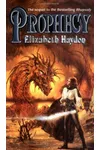
- Prophecy: Child of Earth (2000)
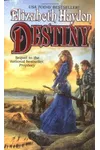
- Destiny: Child of the Sky (2001)
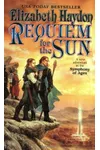
- Requiem for the Sun (2002)
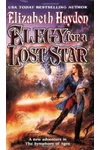
- Elegy for a Lost Star (2004)
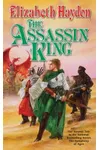
- The Assassin King (2006)
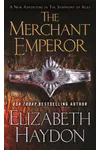
- The Merchant Emperor (2014)
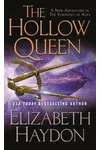
- The Hollow Queen (2015)
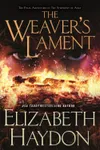
- The Weaver's Lament (2016)
Breaking Down the Subseries and Cycles
The Symphony of Ages is not just a single continuous run of books; it is divided into distinct narrative arcs, each serving a different purpose in the overall epic.
The Rhapsody Trilogy (Books 1–3)
This is where the story begins. We meet Rhapsody, a young Lirin singer and Namer who flees a dangerous stalker. She joins forces with two unlikely companions: Achmed, a lethal assassin, and Grunthor, a jovial Bolg giant. To escape, they travel through the fiery roots of the world tree, inadvertently traveling centuries into the future. Upon their arrival, they find a world drastically changed and learn that they are prophesied to battle the F'dor, an ancient demonic entity of pure chaos. This trilogy is the most popular entry point and forms a self-contained story arc.
The Bridge Duology (Books 4–5)
Comprising Requiem for the Sun and Elegy for a Lost Star, this duology bridges the gap between the initial trilogy and the larger global conflicts that follow. The story picks up three years after the events of Destiny. When the dragon patriarch dies, it throws the political and magical balance of the Known World into chaos. These books focus on the fallout of this event, introducing new global threats and expanding the history of the world's ancient races.
The War of the Known World Trilogy (Books 6–8)
Starting with The Assassin King and moving through The Merchant Emperor and The Hollow Queen, this trilogy raises the stakes to a global scale. As the name suggests, the Known World is plunged into a massive war orchestrated by deep-seated conspiracies and the lingering malice of the F'dor. The bonds of the core trio—Rhapsody, Achmed, and Grunthor—are tested like never before as they take on leadership roles in Ylorc and across the alliance of kingdoms.
The Series Finale: The Weaver's Lament (Book 9)
Published in 2016, The Weaver's Lament serves as the final movement of the Symphony. It brings Rhapsody’s personal journey and the battle against the F'dor to a definitive, emotional conclusion. The book ties up loose threads surrounding the magical Weaver, the fate of the dragons, and the survival of the Known World.
Prequels and Companion Series
For readers who want to dive deeper into Elizabeth Haydon's world, there are additional works set in the same universe:
The Novella: "Threshold" (2003)
This prequel novella was published in the fantasy anthology Legends II, edited by Robert Silverberg. It is set at the end of the Third Age and details the tragic final days of the legendary island of Serendair before it was swallowed by the sea. It follows a group of five guardians who remain behind to search for survivors during the cataclysm. Recommendation: Read this after finishing the original Rhapsody Trilogy to appreciate the lore without spoiling the mystery of Serendair's fate.
The Lost Journals of Ven Polypheme (Middle-Grade Spin-off)
This is a four-book series aimed at younger readers, starting with The Floating Island (2006) and ending with The Tree of Water (2014). It is a historical prequel set in the same world, following the adventures of Charles Magnus "Ven" Polypheme as he explores the magic, geography, and creatures of the setting. While not required to understand Rhapsody's story, it offers delightful world-building for completionists.
What to Know Before You Start
Before you crack open Rhapsody, keep these key elements of the series in mind:
- Magic Through Music and Naming: The magic system is deeply musical. Rhapsody is a "Namer" who can alter reality by speaking or singing the true names of objects, people, and elements. This gives the prose a lyrical, poetic quality.
- A Blend of Genres: While high fantasy is the core, the series heavily incorporates elements of romance, political intrigue, and even locked-room mystery.
- Publication Gaps: There was an eight-year gap between The Assassin King (2006) and The Merchant Emperor (2014). The final three books, however, were released in quick succession.