


Where to Start Elizabeth Haydon’s Novels
If you are looking to plunge into the lush, music-infused high fantasy worlds of Elizabeth Haydon, the absolute best place to start is with Rhapsody: Child of Blood (1999). This book serves as the gateway to her signature universe, introducing the central characters, the unique rules of magic (particularly Naming), and the overarching history of the setting. While there are prequels and spin-offs set earlier in the timeline, starting anywhere else will spoil major plot points and leave you without the crucial worldbuilding framework needed to appreciate the broader history.
The Symphony of Ages in Publication Order
The Symphony of Ages is Elizabeth Haydon’s masterpiece, spanning nine novels published over a seventeen-year period. The series is best understood as a sequence of distinct subseries that build upon one another. Reading them in publication order is highly recommended to maintain narrative continuity and avoid confusing gaps in character arcs.
The Rhapsody Trilogy
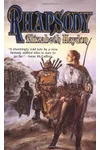
- Rhapsody: Child of Blood (1999): The story begins with Rhapsody, a young Namer (a magic user whose words describe and shape reality) who must flee for her life alongside two deadly companions: Achmed, a silent assassin of the Bolg race, and Grunthor, a giant, cheerful sergeant. Underneath the roots of the world tree Sagia, they journey through time, emerging in a future era where their old world is ancient history.
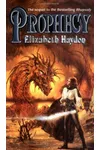
- Prophecy: Child of Earth (2000): The companions adapt to the politics, wars, and magic of the new world they have surfaced in, while an ancient, subterranean threat begins to follow them.
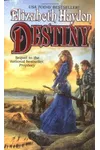
- Destiny: Child of the Sky (2001): The climax of the original trilogy, wrapping up the initial war and solidifying the fates of Rhapsody, Achmed, and Grunthor as they confront the ultimate source of the world's division.
The Bridge Duology
Also known as the middle books of the saga, these novels bridge the gap between the initial trilogy and the final war sequence. They shift focus to the broader geopolitics of the Known World.
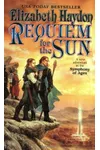
- Requiem for the Sun (2002): Set three years after the events of Destiny, this book deals with the sudden death of the Midridge Emperor, which threatens to throw the lands into chaotic civil war.
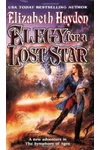
- Elegy for a Lost Star (2004): The political instability deepens as old enemies resurface and Rhapsody must search for her missing husband while dealing with the rebirth of a long-dormant threat.
The War of the Known World Trilogy
Following a long publishing hiatus, Elizabeth Haydon returned to her universe to write a concluding trilogy that escalates the conflicts introduced in the middle books.
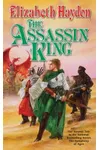
- The Assassin King (2006): This book centers heavily on Achmed, now the King of Ysgard, as he must defend his realm and navigate alliances when a global war breaks out.
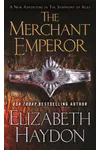
- The Merchant Emperor (2014): Published eight years after the previous installment, this novel restarts the momentum of the saga, focusing on the mercantile empires and naval conflicts of the continent.
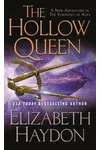
- The Hollow Queen (2015): The conflict reaches a fever pitch as the companions face betrayal from within and must unite the fractured races of the Known World.
The Symphony Finale
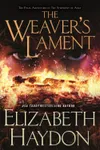
- The Weaver's Lament (2016): The ninth and final book of the Symphony of Ages. It provides a definitive end to Rhapsody's long journey, resolving the mysteries of Naming, the fate of her family, and the ultimate future of the Known World.
Anthologies and Short Stories
Haydon has contributed a couple of short stories to fantasy anthologies, one of which is highly relevant to Symphony of Ages readers:
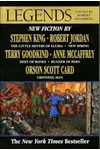
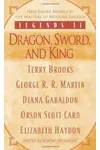
- "Threshold" (first published in Legends II: Dragon, Sword, and King, 2003): A prequel novella set at the end of the Third Age. It details the tragic fall of the island kingdom of Serendair, explaining the events that forced Rhapsody's companions to flee in the first place. While chronologically first, it is best read after finishing Destiny: Child of the Sky.
- "The Merrow" (published in Emerald Magic: Great Tales of Irish Fantasy, 2004): A standalone fantasy story based on Irish folklore. It is unrelated to the Symphony of Ages universe.
The Lost Journals of Ven Polypheme
For younger readers, or those looking for a lighter adventure in the same universe, Haydon wrote a middle-grade/young adult spin-off series. It follows Ven Polypheme, an inquisitive young explorer who documents the magical creatures and lands of the world. While set historically prior to the main events of Rhapsody's timeline, it features familiar lore.
- The Floating Island (2006)
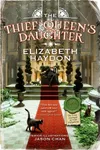
- The Thief Queen's Daughter (2007)
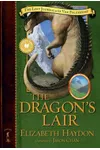
- The Dragon's Lair (2008)
- The Tree of Water (2014)
Note that this series remains incomplete. While a fifth book tentatively titled The Star of the Sea was planned, it has never been released, leaving Ven's journal journey on a cliffhanger.
Chronological vs. Publication Order
While some readers prefer to read chronologically by placing "Threshold" and the Ven Polypheme journals first, publication order is the superior reading experience. The magic system and history of the world are introduced gradually and organically through Rhapsody's eyes in the main trilogy. Reading prequels first ruins the sense of mystery surrounding characters like Achmed and Grunthor, and spoils details of the world's ancient history that Rhapsody only uncovers later in the series.
What to Know Before You Start
Before diving into the books, there are several key elements of Haydon's universe that will help you appreciate the reading order. The most important concept is the magic of Naming. In this world, everything has a True Name, and those who possess the magic of Naming can alter reality by singing or speaking these names. This music-infused magic system is a direct reflection of Haydon's own background as a classical harpist and madrigal singer, giving the prose a highly lyrical quality.
Additionally, the series features unique fantasy races. Rather than relying on generic elves and dwarves, Haydon introduces the Lir, the Bolg, and the F'dor. The F'dor are ancient elemental demons of fire and chaos, and their influence serves as the primary antagonistic force across the centuries. The complex timeline involves time travel and historical cycles, meaning that characters frequently deal with the echoes of their own pasts. Understanding this temporal shift at the end of the first book is essential for grasping the subsequent political landscapes in the new world.