
The Recommended Reading Order: Where to Start
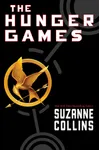
For first-time readers, the absolute best way to experience the series is in publication order. Starting with the original trilogy (The Hunger Games, Catching Fire, and Mockingjay) allows you to experience the world of Panem just as it was unveiled to millions of readers worldwide. Beginning with Katniss Everdeen's personal story builds a solid foundation of the lore, the district system, and the stakes of the Hunger Games before diving into the historical context provided by the prequels.
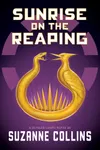
Reading the prequels first (chronologically) is not recommended for newcomers because these books assume a familiarity with the original world-building. For instance, The Ballad of Songbirds and Snakes explores the back-story of Coriolanus Snow, which loses much of its dramatic irony if you do not already know the tyrannical ruler he becomes. Similarly, Sunrise on the Reaping focuses on the 50th Hunger Games and a young Haymitch Abernathy, which carries far more emotional weight when you already know Haymitch as Katniss's troubled, cynical mentor.
Publication Order of The Hunger Games
Following the order in which Suzanne Collins wrote and released the novels is the most natural way to watch the series' complexity and themes mature:
- The Hunger Games (2008)
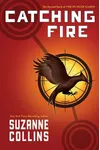
- Catching Fire (2009)
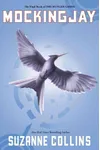
- Mockingjay (2010)
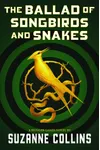
- The Ballad of Songbirds and Snakes (2020)
- Sunrise on the Reaping (2025)
Chronological Order of The Hunger Games
If you are planning a reread and want to experience the historical timeline of Panem from its early post-war struggles to the final rebellion, follow this chronological sequence:
- The Ballad of Songbirds and Snakes (2020) – Set during the 10th Hunger Games, 64 years before the first novel.
- Sunrise on the Reaping (2025) – Set during the 50th Hunger Games (the Second Quarter Quell), 24 years before the first novel.
- The Hunger Games (2008) – Set during the 74th Hunger Games.
- Catching Fire (2009) – Set during the 75th Hunger Games (the Third Quarter Quell).
- Mockingjay (2010) – Set immediately following the events of the 75th Games, focusing on the pan-district rebellion.
A Closer Look at the Books
The Original Trilogy
The core trilogy is told from the first-person perspective of Katniss Everdeen, a resident of the impoverished District 12. In The Hunger Games, Katniss volunteers to take her younger sister's place in the Capitol's annual televised fight to the death. Catching Fire escalates the tension as her defiance in the arena makes her an accidental symbol of hope, forcing her back into the arena for a special champions' edition of the games. Mockingjay moves entirely out of the arena, shifting into a dark, gritty war novel that explores the cost of revolution, propaganda, and the cyclical nature of political corruption.
The Prequels
The prequels shift focus to earlier eras and different perspectives. The Ballad of Songbirds and Snakes centers on an eighteen-year-old Coriolanus Snow serving as a mentor in the 10th Hunger Games. This era depicts a starker, less technologically advanced Capitol recovering from the Dark Days of the first rebellion. Sunrise on the Reaping fast-forwards to the Second Quarter Quell (the 50th Hunger Games). It follows sixteen-year-old Haymitch Abernathy as he is reaped into a deadly game featuring double the usual number of tributes, showing how the trauma of his victory shaped the mentor we meet decades later.
What to Know Before You Start
Suzanne Collins drew heavy inspiration from classical Roman history and Greek mythology (specifically the myth of Theseus and the Minotaur), blending them with critiques of modern reality television and war media. The series is known for its intense pacing, but it is fundamentally a serious exploration of Just War theory, political control, and the psychological impact of violence on youth. While categorized as young adult fiction, the novels deal with heavy themes of post-traumatic stress disorder, grief, and systemic inequality that resonate deeply with adult readers as well.