
The Recommended Reading Order
Unlike many crime fiction series where each book presents a self-contained case of the week, The Huntress/FBI Thrillers by Alexandra Sokoloff is structured as a continuous, serialized story. The narrative is a high-stakes, long-term cat-and-mouse game that builds directly from one volume to the next. For this reason, reading the series in its chronological publication order is highly recommended, as jumping in mid-series will result in major spoilers and confusion regarding the character development and overarching plot lines.
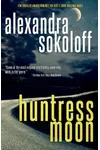
- Huntress Moon (2012/2013)
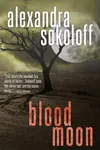
- Blood Moon (2013/2015)
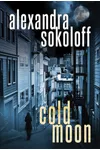
- Cold Moon (2015)
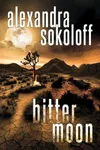
- Bitter Moon (2016)
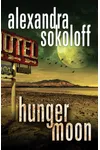
- Hunger Moon (2017)
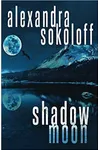
- Shadow Moon (2019)
Detailed Breakdown of the Books
1. Huntress Moon (2012/2013)
The series begins with Huntress Moon, where we are introduced to FBI Special Agent Matthew Roarke. While investigating a string of murders across the country, Roarke discovers a pattern pointing toward a single, highly elusive female suspect: Cara Lindstrom. Cara is not an ordinary killer; she is a survivor of severe trauma who has chosen to wage a private war against society's most dangerous predators. This book establishes the complex, morally gray dynamic between the hunter and the hunted, setting the stage for the rest of the series.
2. Blood Moon (2013/2015)
Following the explosive events of the first book, Blood Moon deepens the investigation. Agent Roarke remains obsessed with tracking Cara down, but as he uncovers more about her past—including a decades-old massacre of which she was the sole survivor—his professional resolve begins to conflict with his personal empathy. The boundaries between justice, vengeance, and the law become increasingly blurred as Cara continues her lethal crusade.
3. Cold Moon (2015)
In Cold Moon, the stakes are elevated to a fever pitch. A tactical capture forces Roarke and Cara into close proximity, leading to intense psychological confrontation. Roarke must deal with corruption within the justice system itself, recognizing that some of the predators Cara targets are protected by powerful entities. This installment acts as a critical turning point for Roarke's career and his moral compass.
4. Bitter Moon (2016)
Bitter Moon dives deep into the backstory of Cara Lindstrom, shedding light on the childhood traumas and systemic failures that forged her into a vigilante. As Roarke deals with the fallout of the previous investigation, the narrative splits to reveal the dark history of the institutions that were supposed to protect children but instead became breeding grounds for monsters.
5. Hunger Moon (2017)
In Hunger Moon, Roarke returns to the FBI to lead a specialized task force targeting violent predators, while Cara goes underground. The narrative takes on a broader societal scale as symbols of Santa Muerte start appearing on college campuses alongside warnings to rapists. As students begin taking vigilante justice into their own hands, a shadow war erupts, forcing Cara out of hiding to protect those who have followed in her footsteps.
6. Shadow Moon (2019)
Serving as the grand finale of the serial narrative, Shadow Moon shifts perspective slightly by bringing in FBI Special Agent Antara Singh, who is sent to Portland on administrative leave. Alongside retiring profiler Chuck Snyder, Singh investigates a series of cold cases involving the murders of homeless youth. This investigation winds back into the pasts of Roarke and Cara, tying together all the lingering threads of the series for a final, dramatic resolution.
What to Know Before You Start
Alexandra Sokoloff brought her extensive experience as a Hollywood screenwriter to this series, resulting in a highly cinematic pace, sharp dialogue, and visual storytelling. One of her primary goals with the series was to challenge the traditional 'woman as victim' trope common in crime fiction. By creating Cara Lindstrom—a character inspired in part by a female version of Jack Reacher—Sokoloff explores themes of institutional failure, rape culture, and the ethics of vigilante justice. Due to the dark subject matter, readers should expect sensitive themes regarding trauma, abuse, and violence.
Practical Reading Advice
- Starting Point: Always start with the first book, Huntress Moon. The emotional weight of Roarke and Cara’s interactions relies entirely on understanding their history.
- Standalone Potential: None of these books are designed to be read as standalones. The plot of each novel picks up shortly after the previous one, maintaining a continuous narrative arc.
- Spin-offs & Prequels: There are no official spin-offs, prequels, or crossover books for this series. It is a self-contained six-book saga. While Sokoloff has written other supernatural thrillers, they do not share continuity with the Huntress universe.