





Welcome to the Hythrun Chronicles
Step into a medieval realm where scheming gods treat mortals as chess pieces, political intrigue rules opulent courts, and ancient magical races fight for survival. Written by Australian author Jennifer Fallon, the Hythrun Chronicles is a standout high-fantasy saga known for its sharp political maneuvering, morally grey characters, and witty prose. Rather than relying on generic fantasy tropes, Fallon builds a complex world where power, identity, religious tolerance, and destiny collide.
Because the series spans multiple distinct trilogies, prequels, and short stories, readers often wonder where they should begin. Below, we outline the two primary paths—Chronological Order and Publication Order—so you can decide which reading experience suits you best.
The Recommended Chronological Reading Order
For readers who want to follow the historical timeline of the Hythrun world from the ground up, the chronological order is highly recommended. Starting here allows you to understand the intricate political structures and characters’ ancestry before they become the legends and histories mentioned in the later books. This order follows the timeline of Hythria, Medalon, and surrounding lands sequentially:
1. The Wolfblade Trilogy
This prequel trilogy is set roughly thirty years before the events of the original Demon Child series. It details the rise of Marla Wolfblade, a young princess navigating the cutthroat, patriarchal politics of the Hythrun court to protect her family and secure her son Damin's future.
- Wolfblade (2004)
- Warrior (2004)
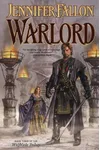
- Warlord (2005)
2. Companion Novella and Rules
Before diving into the next major trilogy, you can read these companion pieces to enrich your understanding of the world's strategic minds and assassins.
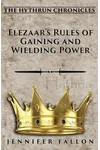
- Elezaar's Rules of Gaining and Wielding Power (2014) – A collection of political principles taught by the slave-dwarf strategist Elezaar to Marla Wolfblade.
- First Kill (2016) – A prequel novella focusing on Kiam Miar, Damin Wolfblade's stepbrother, as he undertakes his first assignment to become a Guild Assassin.
3. The Demon Child Trilogy
The trilogy that started the entire franchise. It centers on siblings R’shiel and Tarja Tenragan as they rebel against their mother's tyrannical rule in Medalon, leading R’shiel to discover her destiny as the prophesied Demon Child who must confront a god.
- Medalon (2000)
- Treason Keep (2001)
- Harshini (2001)
4. The War of the Gods Trilogy
Picking up after the events of the Demon Child books, this trilogy shows a world transitioning into new conflicts. It follows characters like the Lyre Thief as they get caught up in the schemes of gods and mortals alike.
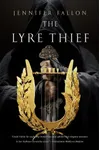
- The Lyre Thief (2016)
- Retribution (2017)
- Covenant (2018)
The Publication Reading Order
If you prefer to experience the world exactly as early fans did, experiencing the mysteries and world-building disclosures in their original release sequence, follow the publication order. In this order, the prequels serve as background history that answers questions raised in the original trilogy.
- Medalon (2000)
- Treason Keep (2001)
- Harshini (2001)
- Wolfblade (2004)
- Warrior (2004)
- Warlord (2005)
- Elezaar's Rules of Gaining and Wielding Power (2014)
- First Kill (2016)
- The Lyre Thief (2016)
- Retribution (2017)
- Covenant (2018)
Publication Order vs. Chronological Order: Where Should You Start?
Both reading paths have distinct advantages, and fans are divided on which is superior. Here is what to keep in mind when choosing your starting point:
Why start with Wolfblade (Chronological): Beginning with Wolfblade introduces you to the political machinery of Hythria first. The story is a slow-burn political thriller with very little magic initially. It establishes the characters of Marla and Damin Wolfblade, which makes their appearances and legacies in the later trilogies far more impactful. Many readers feel the transition from Warlord into Medalon flows naturally and enhances the emotional stakes.
Why start with Medalon (Publication): Starting with Medalon drops you directly into a story with active magic, ancient races (like the Harshini), and immediate stakes. The world is introduced through R’shiel’s naive eyes, making the mystery of the gods and the Harshini feel more mysterious. Reading the Wolfblade trilogy afterward acts as a giant flashback, showing you how the political landscape of Medalon came to be.
The Future of the Chronicles: The Slave Queen Trilogy
Fans of the series have long kept an eye out for the planned Slave Queen Trilogy, which Fallon intended to include in the Hythrun Chronicles cycle (with planned titles including The Slave Queen, The Pirate Prince, and The Assassin King). However, these books remain unpublished and are currently in a "To Be Announced" status. While the main story arcs of the published books are resolved, readers should be aware that the broader universe has room for expansion.
What to Know Before You Start
Fallon's style relies heavily on dialogue, political scheming, and character relationships. The magic system is soft but has concrete rules, particularly surrounding the Harshini, a peaceful, magical race incapable of violence. The contrast between the peace-loving Harshini and the brutal, manipulative human kingdoms drives much of the conflict. Additionally, be prepared for a series that does not shy away from the darker side of politics, including betrayal, assassination, and religious fanaticism, all balanced by a thread of dry humor.