








How to Read the Titus Bass Series
Terry C. Johnston's masterwork, the Titus Bass series, stands as one of the most celebrated achievements in modern Western and historical frontier fiction. Spanning nine novels published between 1982 and 2001, the saga follows the life of Titus "Scratch" Bass, a Kentucky farm boy who runs away to become a legendary mountain man in the early 19th-century American West. Because Johnston did not write the books in the order they occur in Titus's life, readers are faced with a choice between two main reading paths: chronological order and publication order. We highly recommend reading the series in chronological order to experience the natural progression of Titus's life, his relationships, and the transformation of the American frontier.
The Recommended Chronological Reading Order
Reading the series chronologically allows you to follow Titus Bass from a wide-eyed sixteen-year-old runaway into an aging patriarch witnessing the end of the mountain man era. This sequence is divided into three distinct trilogies covering his youth, his middle years, and his final years.
The Early Years Trilogy (Titus's Youth)
- Dance on the Wind (1995): The chronological starting point. In 1810, sixteen-year-old Titus Bass flees his family's farm in Kentucky. He seeks adventure on the Ohio and Mississippi rivers, learning hard survival lessons from river pirates, bandits, and raw wilderness.
- Buffalo Palace (1996): Titus finally reaches the Rocky Mountains. Here, he learns the art of beaver trapping, survives his first brutal mountain winters, witnesses the massive buffalo herds of the high plains, and earns the nickname "Scratch" for his grit.
- Crack in the Sky (1997): Set in the early 1820s, this novel follows Titus as he establishes himself as a seasoned mountain man during the onset of the Rocky Mountain fur trade, forming key alliances and adapting to the nomadic lifestyle of the high country.
The Middle Years Trilogy (Originally Published First)
- Carry the Wind (1982): The book that started it all. Set around 1830, a middle-aged Titus Bass mentors a young runaway greenhorn named Josiah Paddock in the Grand Tetons. Together, they navigate survival, friendship, and escalating conflicts with the Blackfeet.
- Borderlords (1986): Continuing the adventures of Bass and Paddock, this entry takes readers deeper into the Rocky Mountain rendezvous culture, detailing the struggles of surviving cholera outbreaks, rival traders, and hostile Native American groups.
- One-Eyed Dream (1988): Seeking a change, Bass and Paddock travel south to Taos and onward to California, facing treacherous terrain, outlaws, and the complex realities of life outside the mountain valleys.
The Final Years Trilogy (The End of an Era)
- Ride the Moon Down (1998): As the fur trade begins to decline and beaver populations dwindle, Titus Bass must confront his own aging body and the unstoppable advance of white settlement into his beloved wilderness.
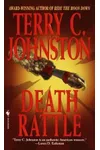
- Death Rattle (1999): Titus fights to defend his Crow family and their way of life against hostile tribes and the changing landscape of the West, highlighting the emotional toll of a vanishing frontier.
- Wind Walker (2001): The final chapter of the saga. An elderly Titus Bass leads his family north, seeking peace in a rapidly changing world, culminating in a poignant conclusion to his legendary journey.
The Publication Order
If you prefer to read the series in the order Terry C. Johnston wrote and released them, you will start in the middle of Titus's life before jumping back to his youth. While this gives you the initial experience that early fans had, it can make the continuity of characters and recurring subplots harder to follow.
- Carry the Wind (1982)
- Borderlords (1986)
- One-Eyed Dream (1988)
- Dance on the Wind (1995)
- Buffalo Palace (1996)
- Crack in the Sky (1997)
- Ride the Moon Down (1998)
- Death Rattle (1999)
- Wind Walker (2001)
What to Know Before You Start
Terry C. Johnston was highly regarded for his meticulous historical research, injecting real-life figures of the American West—such as Jim Bridger, Kit Carson, and Thomas Fitzpatrick—into Titus's journey. The series does not shy away from the gritty, violent, and often brutal realities of frontier survival, Native American conflicts, and the physical toll of mountain life.
There are no official spin-offs, co-authored books, or direct crossovers featuring Titus Bass. While Johnston wrote other well-known western series, such as the Plainsmen novels focusing on the Indian Wars, they remain entirely separate from the Titus Bass storyline. Additionally, Johnston famously felt a deep spiritual connection to Titus, predicting he would die when the series finished; he sadly passed away in 2001 shortly after completing the final manuscript for Wind Walker.