



The Recommended Reading Order
For the best experience, you should read the Victor Carl series in its publication order. Because the books follow Victor Carl's personal decline, evolving moral compromises, and financial struggles, reading them sequentially allows you to experience his character arc as William Lashner intended. Below is the recommended sequence, including the digital-only novella:
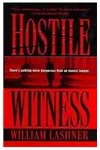
- Hostile Witness (1995)
- Bitter Truth / Veritas (1997)
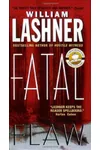
- Fatal Flaw (2003)
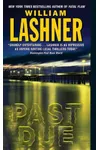
- Past Due (2004)
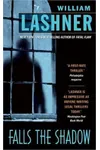
- Falls the Shadow (2005)
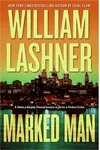
- Marked Man (2006)
- A Killer's Kiss (2007)
- A Bite of Strawberry (2013) (Novella #7.5)
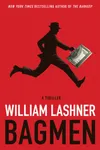
- Bagmen (2014)
Detailed Book-by-Book Breakdown
1. Hostile Witness (1995)
The novel that started it all. Victor Carl is a struggling, down-on-his-luck Philadelphia defense lawyer who gets what seems like a dream opportunity: defending a politician's aide accused of a high-profile murder. However, Victor quickly discovers that he has been handpicked to play the role of the fall guy in a corrupt system. This debut establishes Victor's trademark cynicism, dark humor, and flexible relationship with legal ethics.
2. Bitter Truth / Veritas (1997)
Also published under the title Veritas, this second installment finds Victor hired by an heiress to investigate the suspicious suicide of her wealthy father. The investigation plunges Victor into a web of corporate deceit, old family secrets, and deadly conspiracies. It expands on the Philadelphia setting, painting the city with a gritty realism that distinguishes Lashner's work from glossier courtroom dramas.
3. Fatal Flaw (2003)
After a six-year hiatus, Lashner returned with one of the strongest entries in the series. Victor is hired to defend an old law school classmate who is accused of murdering his mistress. The case becomes deeply personal and highly complicated, forcing Victor to confront his own past, his romantic history, and the professional flaws that continuously drag him down.
4. Past Due (2004)
When a former client of Victor's is murdered, Victor is dragged into a complex search for a mysterious blue manuscript that everyone seems willing to kill for. Past Due deals heavily with themes of vengeance, past debts, and the heavy toll of Victor's past decisions. The pacing is intense, shifting the series closer to a hardboiled detective thriller.
5. Falls the Shadow (2005)
Victor takes on a bizarre and dangerous client: a man accused of murdering his wife who claims he is being framed by a mysterious mastermind. As Victor digs deeper, he begins to question whether his client is a victim or a highly manipulative psychopath. This entry is psychological, dark, and filled with moral ambiguity.
6. Marked Man (2006)
Victor receives a surprise when a man he barely knows dies and names him the primary heir to a massive estate. But there is a catch: the inheritance comes with a host of dangerous enemies, family secrets, and a target painted directly on Victor's back. Marked Man features some of the best dark comedy in the series.
7. A Killer's Kiss (2007)
A classic noir setup. Victor is approached by a beautiful woman from his past, leading him into a dangerous conspiracy involving stolen art, corrupt police officers, and old flames. This book highlights Victor's vulnerability and his tendency to make poor decisions when a beautiful woman is involved.
8. A Bite of Strawberry (2013)
This digital-only short story acts as a bridge between the seventh and eighth full-length novels. Victor is tempted by a mysterious woman who offers him a lucrative but suspicious job. It is a quick read that functions as book 7.5 and offers a brief glimpse into Victor's state of mind before the events of the final novel.
9. Bagmen (2014)
In the final novel of the series, Victor's career has hit a new low. Desperate for cash, he agrees to act as a "bagman" to deliver illegal payoffs for an ambitious politician. What begins as a simple exchange of money quickly turns lethal, forcing Victor to use all of his street smarts and courtroom tricks just to stay alive.
What to Know Before You Start
William Lashner was a trial attorney for the U.S. Department of Justice before turning to fiction, and his real-world legal knowledge shines through on every page. However, do not expect a standard, heroic courtroom procedural. Victor Carl is deliberately written as a flawed, greedy, and morally compromised protagonist who is often his own worst enemy.
The tone of the series is heavily inspired by classic noir fiction, blending dark humor with a gritty, unglamorous look at Philadelphia. While the legal mysteries in each book are self-contained and can theoretically be read as standalones, the overarching development of Victor's character, his relationships, and his gradual descent into darker legal gray zones make the chronological publication order the definitive way to read the series.