
The Recommended Reading Order for Wideacre
Unlike some sprawling historical fiction series where chronological order diverges from the order of publication, the Wideacre trilogy is wonderfully straightforward. The chronological timeline of the Lacey family matches the order in which Philippa Gregory wrote and published the books. To get the full impact of the generational curses, recurring symbols, and the ultimate resolution of the estate's fate, you must read the books in order.
Here is the recommended reading order for the Wideacre trilogy:
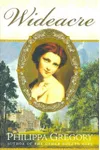
- Wideacre (1987) – Set in the late 18th century (starting around 1772), this book introduces the Sussex estate of Wideacre and the infamous, ruthless Beatrice Lacey.
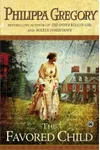
- The Favoured Child (1989) – Jumping to the next generation, this sequel follows Beatrice's children, Julia and Richard, as they grow up in the shadow of their family's dark legacy.
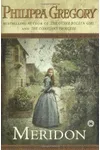
- Meridon (1990) – The final chapter follows Julia’s daughter, Sarah (known as Meridon), who was raised by Romany travelers and must eventually return to Sussex to claim her birthright and break the family cycle of corruption.
Deep Dive into the Wideacre Trilogy
1. Wideacre (1987)
Set in 18th-century Georgian England, Philippa Gregory's debut novel introduces us to Beatrice Lacey. Beatrice is a heroine unlike almost any other in historical fiction: she is beautiful, highly intelligent, deeply connected to the land of her family estate, and completely, chillingly amoral. Because the laws of the era forbid women from inheriting property, Beatrice is told she must eventually marry and leave her beloved Wideacre behind, while her weak-willed brother Harry inherits it all.
Refusing to accept this fate, Beatrice launches a campaign of manipulation, seduction, incest, and murder to secure her hold on the land. Partnering with her childhood lover, Ralph Megson—the son of a local witch—she orchestrates the death of her father and seduces her own brother to ensure that any future heir will carry her blood. Beatrice is a fascinatingly dark anti-heroine, and her intense, gothic obsession with Wideacre drives the story to a violent, unforgettable climax.
2. The Favoured Child (1989)
The second book shifts focus to the next generation, picking up after the fall of Beatrice. The Wideacre estate is in ruins, and the villagers of Acre live in crushing poverty, still haunted by the legacy of Beatrice's cruelty. The focus of the story is on cousins Julia Lacey and Richard MacAndrew, who are raised together in the dower house. Unbeknownst to them, they are actually siblings—the product of the incestuous relationship between Beatrice and Harry.
As they grow, a local prophecy takes hold: the villagers believe that only one of the children will be "The Favoured Child," blessed with Beatrice's mystical connection to the land and the ability to make the estate bloom again. While Julia is gentle, possessing a supernatural gift of "the sight" and a genuine love for Wideacre's tenants, Richard is consumed by the same cold greed and obsession that destroyed his mother. The rivalry between the two grows increasingly toxic, leading to further cycles of violence and trauma before the truth of their parentage is finally exposed.
3. Meridon (1990)
The final book in the trilogy takes a very different path before returning home. It follows Sarah Lacey, the daughter of Julia and Richard. Given away at birth to a band of traveling Romany showmen to protect her from the curse of Wideacre, she grows up under the name Meridon. She has no memory of her noble heritage, but she is haunted by vivid, recurring dreams of a beautiful, grand estate that she has never seen.
Meridon and her beloved sister, Dandy, survive by working in a traveling circus, with Meridon performing dangerous bareback horse-riding feats. After a devastating tragedy cuts Dandy's life short, a grieving Meridon follows the pull of her dreams back to Sussex. There, she discovers her true identity and inherits the legendary estate. Unlike her ancestors, Meridon seeks to break the cycle of greed, restore balance to the land, and find a way to rule Wideacre with love and justice rather than tyranny.
Themes, Setting, and the Sussex Enclosure Acts
What elevates the Wideacre trilogy above standard historical romance is Gregory’s focus on the actual social history of the 18th century. As a historian with a PhD in 18th-century literature, Gregory used the trilogy to explore the real-world impact of the Enclosure Acts. These laws allowed wealthy landowners to fence off common lands, privatizing fields that peasant villagers had relied on for survival for generations. In the books, Beatrice's obsession with modernizing and enclosing Wideacre directly causes the starvation and rebellion of the local tenants, grounding the gothic drama in genuine historical class struggle.
Additionally, the books are highly controversial due to their explicit exploration of taboo topics. Gregory does not shy away from depicting incest, sexual violence, and physical abuse. Beatrice Lacey is not a sanitized historical heroine; she is a monster born of a system that offered women no legal rights, choosing to burn her world down rather than submit to it. This psychological complexity makes the trilogy a polarizing but enduringly popular read.
What to Know Before You Start
If you are coming to Wideacre after reading Philippa Gregory’s famous Tudor novels (such as The Other Boleyn Girl), be prepared for a very different reading experience. While her Tudor books focus on real historical figures and court politics, Wideacre is entirely fictional, highly gothic, and considerably darker. The tone is closer to Emily Brontë’s Wuthering Heights than to traditional royal historical fiction.
It is also worth noting that the later books introduce subtle supernatural elements, particularly Julia’s "sight" and the mystical connection to the Sussex downs, which is a departure from the strict realism of Gregory's later works.
Wideacre on Screen: The Upcoming TV Adaptation
For decades, fans have wondered if the story of Beatrice Lacey would ever be adapted. In late 2024, it was officially announced that ITV Studios' label Happy Prince (led by executive producer Dominic Treadwell-Collins) had optioned the rights to adapt Wideacre into a television series. Philippa Gregory is attached as an executive producer. The adaptation is currently in active development, promising to bring the dark, feral, and scandalous world of the Sussex downs to the screen for a new generation of viewers.