

How to Read the Witch World Series
Andre Norton’s Witch World is one of the most influential and sprawling universes in speculative fiction, spanning dozens of novels, anthologies, and short stories published between 1963 and 2005. Because the series was written over four decades and contains multiple parallel stories set across different continents, finding the best reading order is a frequent topic of debate among fans. Generally, readers divide their approach into two main strategies: Publication Order (highly recommended for beginners) and Chronological Order (best reserved for re-reads).
The Recommended Starting Point
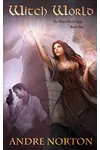
If you are new to Witch World, the absolute best place to start is with the original 1963 novel, Witch World. This book introduces Simon Tregarth, a fugitive from Earth who escapes through a mystical portal (the Siege Perilous) and arrives in the matriarchal realm of Estcarp. Reading the first few novels in order of publication allows you to discover the world's magic, history, and conflicts exactly as Norton developed them, starting with the core clash between the magical Witches of Estcarp and the technologically advanced, invading Kolder.
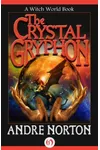
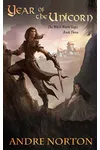
Alternatively, readers who prefer traditional, folklore-heavy fantasy over portal fantasy or science-fantasy elements can start with the High Hallack cycle, beginning with either Year of the Unicorn (1965) or The Crystal Gryphon (1972). These books are set on a different continent where magic is less centralized and the stories function more like standalone medieval adventures.
The Cycles of Witch World Explained
Norton structured her world into distinct geographical and thematic cycles. Understanding these divisions helps make sense of the chronological jumps and overlaps throughout the series.
1. The Estcarp Cycle (The Tregarth Saga)
This cycle forms the historical core of the series. It centers on the matriarchal nation of Estcarp, where women wield powerful magic at the cost of their maidenhood, and men serve as warriors. The story focuses on Simon Tregarth, his witch-wife Jaelithe, and their three children (Kyllan, Kemoc, and Kaththea) as they defend Estcarp and explore the untamed lands beyond it.
2. The High Hallack Cycle
Set across the sea on the continent of High Hallack, this cycle features a more decentralized, feudal society heavily inspired by English and Celtic folklore. While it takes place in the same universe and roughly parallel to the events in Estcarp, it deals with different struggles, such as the invasion of the Hounds of Alizon and the mysterious ancient races of the land.
3. The Turning Cycle
Written primarily in the 1990s—often in collaboration with other authors—The Turning cycle serves as the grand culmination of the series. These books depict a world-shaking cataclysm that alters the nature of magic itself, forcing the peoples of Estcarp and High Hallack to unite and adapt to a new era.
Publication Order of Witch World: Estcarp Cycle
Follow this list to experience the main Estcarp storyline in the order it was originally written:
- Witch World (1963)
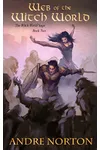
- Web of the Witch World (1964)
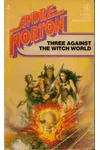
- Three Against the Witch World (1965)
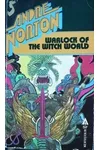
- Warlock of the Witch World (1967)
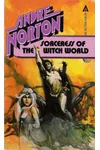
- Sorceress of the Witch World (1968)
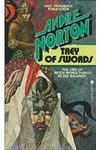
- Trey of Swords (1977)
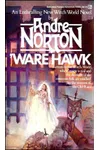
- 'Ware Hawk (1983)
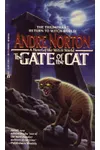
- The Gate of the Cat (1987)
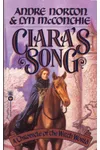
- Ciara's Song (1998)
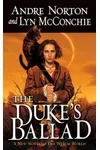
- The Duke's Ballad (2005)
Publication Order of Witch World: High Hallack Cycle
These books can be read independently of the Estcarp cycle, though they share the same world-building rules:
- The Crystal Gryphon (1972)
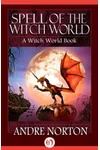
- Spell of the Witch World (1972)
- The Jargoon Pard (1974)
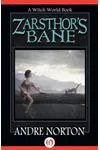
- Zarsthor's Bane (1978)
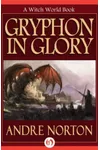
- Gryphon in Glory (1981)
- Horn Crown (1981)
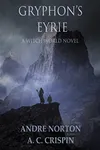
- Gryphon's Eyrie (1984)
- Were-Wrath (1984)
- Songsmith (1992)
- Silver May Tarnish (2005)
Publication Order of Witch World: The Turning Books
This cycle bridges the continents and concludes the overarching history of the Witch World:
- Storms of Victory (1991)
- Flight of Vengeance (1992)
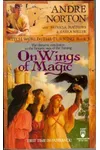
- On Wings of Magic (1993)
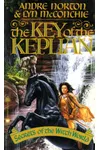
- The Key of the Keplian (1995)
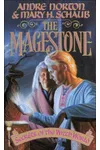
- The Magestone (1996)
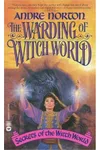
- The Warding of Witch World (1997)
Witch World Anthologies
Norton curated several anthologies containing short stories written by herself and other fantasy authors to flesh out the world's lore:
- Lore of the Witch World (1980)
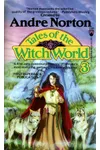
- Tales of the Witch World 1 (1987)
- Tales of the Witch World 2 (1988)
- Four from the Witch World (1989)
- Tales of the Witch World 3 (1990)
Chronological Caveats: The Case of Horn Crown
For readers attempting a chronological read-through, the biggest point of confusion is Horn Crown (1981). Chronologically, it is the earliest book in the timeline, detailing how humans first arrived on the Witch World through portals and settled High Hallack. However, starting with Horn Crown is generally discouraged. The book assumes the reader is already familiar with the magical systems, the nature of the Old Ones, and the geography of the world. Beginning here can make the prose feel dense and dry, whereas starting with Witch World provides a natural, reader-friendly introduction to the universe alongside the protagonist Simon Tregarth.
What to Know Before You Start
Witch World was highly progressive for its time, challenging the male-dominated tropes of 1960s sword-and-sorcery. Norton's magic system initially links power to gender and chastity, but as the series progresses, these rules are questioned, deconstructed, and rebuilt by her protagonists. Keep in mind that Norton began collaborating with other authors in the late 1980s and 1990s, which shifted the tone of the later novels slightly. The original core novels remain the most universally acclaimed, but the collaborative expansions offer a satisfying sense of closure to a world that evolved over forty years.