

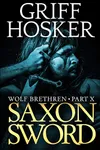
Recommended Reading Order for Wolf Brethren
To fully experience the character arcs, evolving loyalties, and shifting battlelines of post-Roman Britain, readers should follow the chronological narrative order of the series. The saga follows the protagonist Lann, an orphaned Brythonic youth who takes up the legendary sword of the Brigantes to defend his homeland against Anglo-Saxon invaders.
Here is the recommended reading path for the Wolf Brethren series:
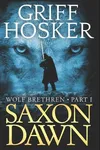
- Saxon Dawn (2013)
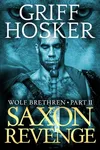
- Saxon Revenge (2013)
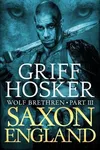
- Saxon England (2013)
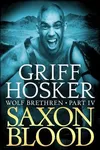
- Saxon Blood (2013)
- Saxon Slayer (2018)
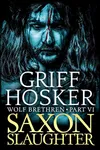
- Saxon Slaughter (2018)
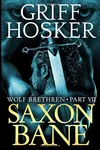
- Saxon Bane (2018)
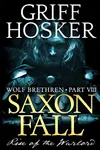
- Saxon Fall (2014)
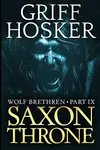
- Saxon Throne (2018)
- Saxon Sword (2018)
Publication Order vs. Chronological Narrative Order
Navigating the Wolf Brethren series can sometimes be confusing due to discrepancies in publication dates and series numbering across online retailers and book databases. Specifically, Saxon Fall was published in 2014, whereas books 5 through 7 (Saxon Slayer, Saxon Slaughter, and Saxon Bane) and books 9 and 10 (Saxon Throne and Saxon Sword) have their publication dates listed as 2018 in several catalogs, or are occasionally indexed with different years due to reissue formats.
Despite these publication quirks, the narrative timeline remains clear. The author, Griff Hosker, lists the official reading sequence with Saxon Slayer, Saxon Slaughter, and Saxon Bane preceding Saxon Fall. Reading Saxon Fall before these books will result in major plot spoilers and disrupt the natural progression of Lann's warband. For the best reading experience, ignore the release dates and strictly follow the chronological narrative sequence starting with Saxon Dawn and concluding with Saxon Sword.
What to Know Before You Start: Setting the Scene
Griff Hosker’s Wolf Brethren is set during a chaotic and pivotal era of British history: the late 6th century. With the departure of the Roman legions decades prior, the Romanized Britons are left to defend their lands against relentless Saxon, Angle, and Jute invaders. The story focuses on the kingdom of Rheged, led by the historical King Urien, who attempts to unite the fractured British kingdoms to make a stand against King Aella of Deira.
The series is highly praised for its gritty, realistic depiction of Dark Age warfare. Rather than romanticizing the era, Hosker presents a world of muddy shield walls, brutal skirmishes, and political treachery. If you enjoy the historical detail and warrior ethos of Bernard Cornwell’s The Saxon Stories (which follows Uhtred of Bebbanburg in a later century) or the Arthurian grit of Giles Kristian, the Wolf Brethren series will feel right at home.
The Sword of Cartimandua Connection
While the Wolf Brethren series functions perfectly well on its own, it has a direct thematic and narrative connection to another of Griff Hosker's popular historical fiction series, The Sword of Cartimandua. That series, which begins with the titular novel Sword of Cartimandua (2011), is set centuries earlier during the Roman invasion and occupation of Britain in the 1st and 2nd centuries AD.
The connective tissue between the two series is the legendary "sword of the Brigantes." In the Roman-era series, the blade is wielded by auxiliary cavalrymen defending Britannia. Centuries later, in Saxon Dawn, the very same sword comes into the possession of Lann after his family is slaughtered by Anglo-Saxon raiders. The weapon serves as a symbol of British defiance and continuity, linking the ancient Celtic tribes to the Dark Age warlords fighting to preserve the last remnants of Romanized Britain. Reading the Sword of Cartimandua series first is not required, but it provides fascinating background lore for the weapon Lann carries.
Summary of the Key Narrative Stages
The Wolf Brethren series can be broken down into three distinct narrative phases that mark Lann's growth from an orphaned survivor into a legendary leader:
The Rise of the Wolf Brethren (Books 1–4)
The saga begins with Saxon Dawn, establishing the tragedy that drives Lann and his brothers to seek vengeance. Dubbed the "Wolf Warrior," Lann joins the warband of King Urien of Rheged. Across Saxon Revenge, Saxon England, and Saxon Blood, Lann establishes his reputation as a brilliant tactician and fearsome fighter, dealing with both the invading Anglo-Saxon forces and the internal political rivalries that threaten to rip the British alliance apart.
The Warlord's Trials (Books 5–8)
In Saxon Slayer, Saxon Slaughter, and Saxon Bane, the conflict intensifies as new warlords rise and the borders of Rheged shrink. Lann is forced to take on greater leadership responsibilities, transforming his small band of "Wolf Brethren" into an elite military unit. This phase culminates in Saxon Fall (subtitled Rise of the Warlord in some editions), where the stakes reach a fever pitch and Lann must make ultimate sacrifices to hold the Saxon horde at bay.
The Final Confrontation (Books 9–10)
The series draws to its epic conclusion with Saxon Throne and Saxon Sword. These final volumes deal with the long-term consequences of the war. Lann must defend his people against blood feuds, navigate the shifting loyalties of neighboring British rulers, and face a final, decisive clash of swords that will determine the future of Britain.
Practical Reading Advice for Newcomers
Here are a few quick tips to help you get the most out of your time with the Wolf Brethren:
- Start at the Beginning: This is a continuous, chronological story. Skipping ahead to later books will ruin the character development and leave you confused by the political landscape. Always start with Saxon Dawn.
- Expect Historical Figures: Griff Hosker weaves real historical figures, such as King Urien of Rheged, into the narrative alongside legendary Arthurian figures like Arthur and Merlin, who appear as secondary influences in the background.
- Audiobook Availability: The entire series is available in audiobook format, which many fans recommend for its immersive narration of the gritty battle scenes.