
How to Read David L. Robbins' World War II Novels
David L. Robbins is widely celebrated for his ability to transform massive, complex historical campaigns into intimate human dramas. While his World War II novels are thematic companions rather than a sequential story featuring a recurring cast of characters, reading them in a deliberate order can enhance your appreciation of his writing and the historical timeline.
Readers generally choose between two primary paths when diving into this collection:
Option 1: Publication Order (Recommended)
Reading the novels in the order they were published allows you to experience Robbins' evolution as a storyteller. He begins with a hyper-focused, claustrophobic duel in War of the Rats and moves toward the sweeping, multi-perspective geopolitical canvases of his later works. Here is the publication order:
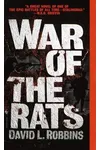
- War of the Rats (1999)
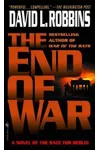
- The End of War (2000)
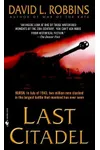
- Last Citadel (2003)
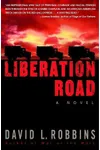
- Liberation Road (2004)
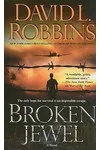
- Broken Jewel (2009)
Option 2: Chronological Order
If you prefer to follow the historical progression of the Second World War, you can read the books according to the dates of the battles and events they depict. This path takes you from the desperate defensive stand at Stalingrad to the final days in Berlin:
- War of the Rats (Set in Autumn/Winter 1942–1943) – The brutal turning point of the war on the Eastern Front.
- Last Citadel (Set in Summer 1943) – The massive tank clash during the Battle of Kursk.
- Liberation Road (Set in Summer 1944) – The Allied push through France following D-Day, highlighting the logistical lifeline of the Red Ball Express.
- Broken Jewel (Set in late 1944 to February 1945) – The harrowing civilian captivity in the Philippines and the daring Los Baños prison camp raid.
- The End of War (Set in Spring 1945) – The climactic race to Berlin and the collapse of the Third Reich.
Deep Dive into the Novels
War of the Rats (1999)
Robbins’ breakthrough novel takes readers into the ruined streets of Stalingrad during the height of the German siege. The story centers on a legendary duel between two elite marksmen: Vasily Zaitsev, a humble Russian hunter turned national hero, and Heinz Thorvald, the director of the SS sniper school sent to eliminate him. The tension is amplified by the presence of Tania Chernova, a female sniper who becomes Zaitsev's ally and lover. Robbins vividly portrays the grim reality of Rattenkrieg ("war of the rats"), where battles were fought block-by-block, cellar-by-cellar.
The End of War (2000)
Structured like a Greek tragedy, this novel contrasts the grand strategies of historical titans—Franklin D. Roosevelt, Winston Churchill, and Joseph Stalin—with the lives of ordinary people caught in the crossfire of the race to Berlin. The narrative weaves together the perspectives of Loring, an American photojournalist chasing the truth; Ilya, a vengeful Soviet soldier marching westward; and Ilse, a German cellist striving to survive in the doomed capital.
Last Citadel (2003)
Focusing on the Battle of Kursk, the largest tank battle in human history, Last Citadel explores Hitler's final major offensive on the Eastern Front (Operation Citadel). The book details the clash through the eyes of a diverse cast, including Spanish volunteers in the German army, Russian tank crewmen, Cossack soldiers, and civilian partisans, delivering a visceral look at armored warfare and the human endurance required to survive it.
Liberation Road (2004)
Set during the Allied breakout from Normandy in 1944, this novel shines a spotlight on the Red Ball Express, the famous truck convoy system largely operated by African American soldiers who kept the front lines supplied. The plot follows Joe Amos Biggs, a black driver determined to prove his worth in a segregated military, and Rabbi Ben Kahn, a military chaplain desperately searching for his missing son behind enemy lines.
Broken Jewel (2009)
Shifting focus to the Pacific Theater, Broken Jewel centers on the Los Baños internment camp in the Philippines. It follows Remy Tuck, a cynical gambler who has spent years in captivity, his rebellious teenage son Talbot, and Carmen, a local Filipina woman forced into serving as a comfort woman. The novel builds toward the historic February 1945 rescue operation by the American 11th Airborne Division and Filipino guerrillas.
What to Know Before You Start
David L. Robbins’ writing is defined by extreme historical accuracy. The author frequently visits the geographic settings of his books, interviews veterans, and studies military archives to ground his fiction in reality. However, readers should note that he prioritizes human emotion and moral ambiguity over dry historical lists. His characters are rarely simple heroes or villains; instead, they are complex individuals forced to make impossible choices in the crucible of war.
Because the novels function entirely as standalones, you do not need to worry about missing critical plot lines if you read them out of order. You can easily start with whichever campaign, theater, or battle interests you the most.