

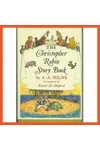

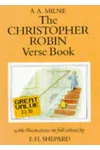

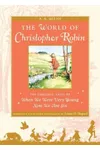
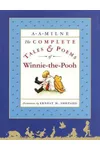






























The Recommended Winnie-the-Pooh Reading Path
For most readers, the journey into the Hundred Acre Wood should begin exactly where A.A. Milne started. While the series is famous for its gentle, episodic nature, reading the original books in publication order provides the most natural introduction to the characters and the gradual growth of Christopher Robin.
1. The Core Winnie-the-Pooh Duo
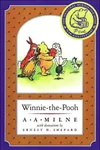
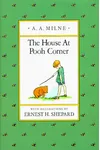
If you only want the primary stories featuring Winnie-the-Pooh and his friends, you should focus on the two main prose collections. Start with Winnie-the-Pooh (1926), which introduces the iconic characters, Piglet's bravery, Eeyore's missing tail, and the gentle rhythm of life in the forest. Follow this immediately with The House at Pooh Corner (1928), which introduces the energetic Tigger and concludes with a poignant farewell as Christopher Robin prepares to leave for school.
2. The Poetry Companions
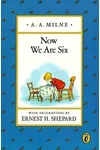
Milne's two poetry collections, When We Were Very Young (1924) and Now We Are Six (1927), are companion pieces that sandwich the main prose books. They are not strictly necessary to follow the narrative, but they establish the whimsical tone and contain early appearances of Pooh (originally called Teddy Bear). The ideal reading order is to read them chronologically alongside the prose: start with the first poetry volume, move to the first story collection, enjoy the second poetry volume, and finish with the final story collection.
The Complete Winnie-the-Pooh Reading Order
While Milne only wrote four books in the Pooh universe, subsequent estates have authorized sequels and prequels written by modern authors that fit directly into the timeline. Here is the recommended publication order for the original works combined with the major authorized continuations:
- When We Were Very Young (1924) - The first poetry collection.
- Winnie-the-Pooh (1926) - The core debut of Pooh, Piglet, Eeyore, Rabbit, Owl, Kanga, and Roo.
- Now We Are Six (1927) - The second poetry collection containing classic verses.
- The House at Pooh Corner (1928) - The final original volume introducing Tigger.
- Return to the Hundred Acre Wood (2009) by David Benedictus - The first officially authorized sequel, picking up where Milne left off.
- The Best Bear in All the World (2016) by Paul Bright, Jeanne Willis, Kate Saunders, and Brian Sibley - A multi-author anthology celebrating the 90th anniversary, introducing a new character, Penguin.
- Once There Was a Bear (2021) by Jane Riordan - An official prequel volume detailing the early days of Christopher Robin and his toys in London before they moved to Sussex.
Chronological Order vs. Publication Order
For a strictly chronological reading experience, the order shifts slightly. You would begin with Jane Riordan's Once There Was a Bear (2021) to see the toys' life in London. Next, you would read the poetry of When We Were Very Young (1924) followed by the stories in Winnie-the-Pooh (1926). You would then read Now We Are Six (1927) before diving into The House at Pooh Corner (1928). The modern sequels, Return to the Hundred Acre Wood (2009) and The Best Bear in All the World (2016), would conclude your chronological journey. However, most purists recommend publication order first to appreciate Milne's original voice as it naturally evolved.
A.A. Milne's Works Beyond the Hundred Acre Wood
Long before Milne wrote about Pooh, he was an established playwright and novelist for adults. If you are looking to explore his versatile bibliography, these are the key works to look out for:
The Famous Whodunnit: The Red House Mystery (1922)
This is Milne's most famous adult novel and a classic of the Golden Age of detective fiction. Set in an English country manor, it is a lighthearted, locked-room whodunnit featuring an amateur detective duo. It is highly recommended for fans of classic Agatha Christie or Dorothy L. Sayers, showcasing Milne's trademark wit and clever dialogue in a completely different genre.
Satirical Fairy Tales and Adult Novels
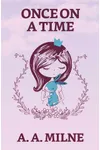
- Once on a Time (1917) - Written during World War I, this is a satirical fairy tale aimed at adults, poking fun at traditional fantasy tropes and war itself.
- Mr. Pim (1921) - A novelization of his highly successful stage play Mr. Pim Passes By.
- Two People (1931) - A gentle, character-driven novel about a happily married couple, reflecting Milne's interest in domestic life.
- Chloe Marr (1946) - Milne's last major novel, a witty character study of a charming and enigmatic young woman in London society.
Plays and Essays
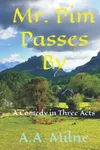
Milne was a prolific contributor to Punch magazine, where he honed his essay writing. Many of these were compiled in collections such as The Sunny Side (1923). For the stage, his most famous play remains Mr. Pim Passes By (1919), along with Toad of Toad Hall (1929), which is his beloved theatrical adaptation of Kenneth Grahame's The Wind in the Willows.
Practical Reader Advice
Can the Pooh books be read standalone? Yes, absolutely. Each chapter is a self-contained anecdote, making them perfect bedtime reading. However, The House at Pooh Corner should definitely be read after Winnie-the-Pooh, as it introduces Tigger and features the emotional resolution of Christopher Robin growing up. When introducing these to young children, starting with the picture books or single-story adaptations (like Kanga and Baby Roo Come to the Forest) is a great way to build interest before tackling the full collections.