

















How to Read Clive Cussler's Adventure Universe
Clive Cussler, widely acclaimed as the "Grand Master of Adventure," crafted a massive, interconnected literary universe spanning several decades, historical eras, and specialized teams. Because of the sheer volume of books and the introduction of spin-off series, determining where to begin can feel like navigating uncharted waters. The good news is that Cussler's novels are designed as standalone thrillers. However, to fully appreciate the recurring characters, evolving technology, and backstories, following a structured path is highly recommended.
The Recommended Starting Point
If you want the definitive Clive Cussler experience, you must start with the Dirk Pitt Adventures. Dirk Pitt is the cornerstone character of the Cussler universe, a marine engineer and courageous adventurer working for the fictional National Underwater and Marine Agency (NUMA). The best entry points are:
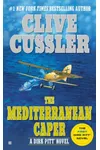
- The Mediterranean Caper (1973): The very first published Dirk Pitt adventure (originally titled Mayday! in some markets). It establishes the formula of combining historical mysteries with high-stakes marine exploration.
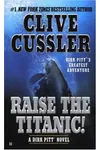
- Raise the Titanic! (1976): The breakthrough novel that skyrocketed Cussler to fame. It remains one of the most iconic books in the adventure genre.
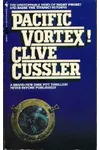
- Pacific Vortex! (1983): The chronological starting point. Though published sixth, Cussler actually wrote this book first, and it depicts the earliest point in Dirk Pitt's career.
Path 1: The Publication Order (Most Recommended)
Reading Cussler's works in publication order allows you to experience the natural evolution of his writing style, the growth of NUMA, and the introduction of various co-authors. It also makes the cross-overs and spin-offs make perfect sense as they emerge. While you don't have to read every single book in one go, reading the primary Dirk Pitt series in order provides the best narrative continuity.
The Dirk Pitt Adventures in Publication Order
- The Mediterranean Caper / Mayday! (1973)
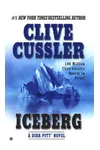
- Iceberg (1974)
- Raise the Titanic! (1976)
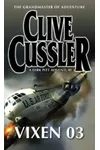
- Vixen 03 (1978)
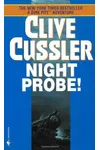
- Night Probe! (1981)
- Pacific Vortex! (1983)
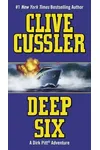
- Deep Six (1984)
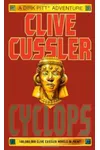
- Cyclops (1986)
- Treasure (1988)
- Dragon (1990)
- Sahara (1992)
- Inca Gold (1994)
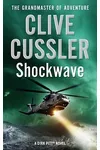
- Shock Wave (1996)
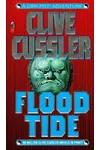
- Flood Tide (1997)
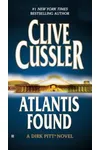
- Atlantis Found (1999)
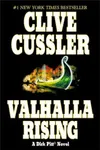
- Valhalla Rising (2001)
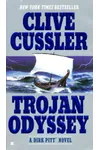
- Trojan Odyssey (2003)
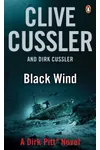
- Black Wind (2004)
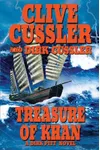
- Treasure of Khan (2006)
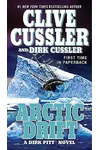
- Arctic Drift (2008)
- Crescent Dawn (2010)
- Poseidon's Arrow (2012)
- Havana Storm (2014)
- Odessa Sea (2016)
- Celtic Empire (2018)
- The Devil's Sea (2021)
- The Corsican Shadow (2023)
Path 2: Chronological Order & Series Breakdown
For readers who prefer a strict timeline approach, the chronological order of specific series differs slightly from publication order. This is most notable in the Isaac Bell Adventures and the positioning of Dirk Pitt's Pacific Vortex!.
Isaac Bell Adventures: Chronological vs. Publication Order
Set in the early 20th century, the Isaac Bell Adventures follow a brilliant detective of the Van Dorn Detective Agency. Because the books jump around Bell's early career, chronological reading offers a different perspective than publication order:
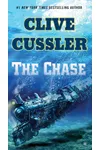
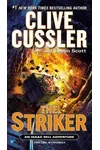
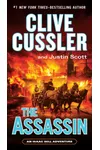
- Chronological Order: Starts with The Striker (set in 1902), followed by The Assassin (set in 1905), before jumping to the series' first published book, The Chase (set in 1906).
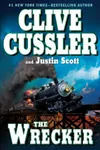
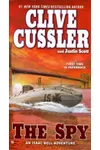
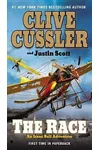
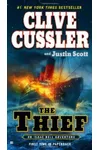
- Publication Order: The Chase (2007), The Wrecker (2009), The Spy (2010), The Race (2011), The Thief (2012), The Striker (2013), and so on, continuing through to The Heist (2024).
The NUMA Files (Kurt Austin & Joe Zavala)
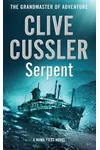
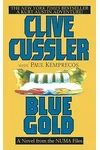
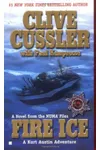
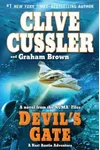
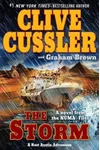
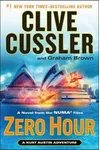
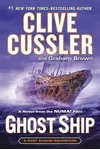
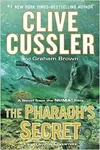
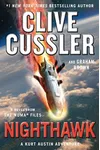
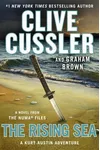
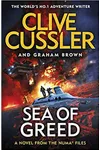
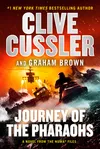
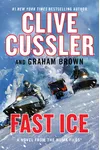
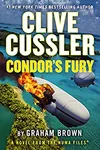
Starting with Serpent (1999), this spin-off series shifts focus from Dirk Pitt to Kurt Austin, the leader of NUMA's Special Assignments Team, and his partner Joe Zavala. These action-packed books run parallel to the main Dirk Pitt timeline and are best read in publication order, starting with Serpent (1999), Blue Gold (2000), and Fire Ice (2002), up to Condor's Fury (2023).
The Oregon Files (Juan Cabrillo)
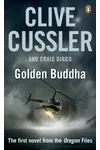
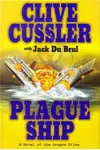
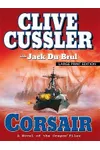
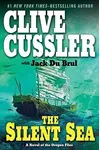
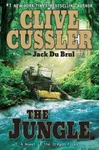
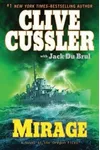
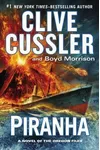
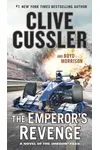
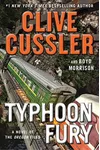
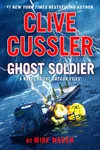
First introduced in the Dirk Pitt novel Flood Tide, Juan Cabrillo and his crew operate the Oregon, a high-tech espionage vessel disguised as a rusty tramp steamer. This series leans heavily into spy thriller territory. The publication order starts with Golden Buddha (2003) and runs through Ghost Soldier (2024).
The Fargo Adventures (Sam & Remi Fargo)
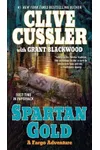
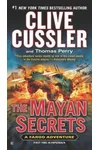
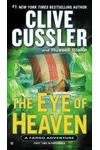
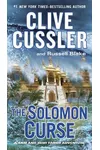
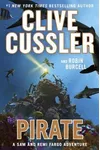
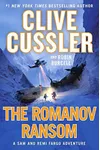
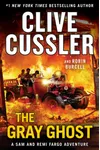
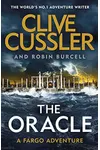
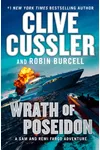
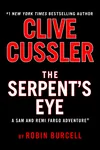
This series features the husband-and-wife treasure-hunting duo Sam and Remi Fargo as they travel the globe solving historic puzzles. It is a lighter, fast-paced series that starts with Spartan Gold (2009) and continues through The Serpent's Eye (2025).
Co-Authors and the Evolution of the Cussler Brand
As his franchise grew, Clive Cussler collaborated extensively with co-authors to expand the different series. Notable co-authors include Paul Kemprecos and Graham Brown for the NUMA Files, Craig Dirgo and Jack Du Brul for the Oregon Files, Justin Scott for the Isaac Bell Adventures, and Thomas Perry and Robin Burcell for the Fargo Adventures. Following Cussler's passing, his son, Dirk Cussler, has successfully continued the Dirk Pitt legacy, maintaining the signature style and historical detail fans expect.
Clarification: The "General Military Books" Database Discrepancy
Readers researching Clive Cussler online will often find a list of "General Military Books" associated with his bibliography on various book-tracking websites. This is a well-known metadata and database error. Works such as The British Home Guard Pocketbook (written by A.F.U. Green) and Otto Skorzeny: The Devil’s Disciple (written by Stuart Smith) are military histories authored by other individuals. Clive Cussler did not write these general military histories. His actual non-fiction contributions are limited to classic automobile books and the historical shipwreck exploration logs in The Sea Hunters (1994) and The Sea Hunters II (2002).