

Where to Start with Ada Limón: The Recommended Reading Path
For readers new to Ada Limón’s poetry, there is no strictly defined narrative continuity or plot that dictates where you must begin. Her books are collection-based rather than serialized novels. However, certain books serve as far better introductions to her signature voice, accessibility, and thematic depth than others. To get the most out of her writing, we recommend starting with her mid-career masterpiece and working your way forward and backward from there.
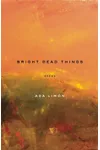
1. The Ideal Entry Point: Bright Dead Things (2015)
If you only read one collection by Ada Limón to start, make it Bright Dead Things. Published in 2015, this collection was a finalist for both the National Book Award and the National Book Critics Circle Award, catapulting her into the national spotlight. It captures themes of transition, moving from the chaotic energy of New York City to the quiet landscapes of Kentucky, while exploring grief, love, and what it means to be alive with incredible clarity. It showcases her trademark conversational tone and vivid nature imagery, making it the perfect representation of her style.
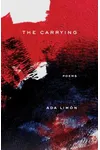
2. The Next Step: The Carrying (2018)
After finding your footing, move directly to The Carrying. This collection won the National Book Critics Circle Award for Poetry and serves as a thematic companion to her previous book. In these poems, Limón writes with intense honesty about the vulnerabilities of the human body, fertility struggles, chronic pain, aging parents, and our connection to the Earth. It is deeply personal, deeply moving, and further solidifies her status as one of America's most relatable contemporary poets.
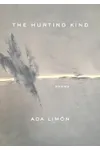
3. Deepening the Connection: The Hurting Kind (2022)
Follow up with The Hurting Kind, a collection that explores ancestry, animal encounters, and how we interact with the natural world around us. Written during the quietude and isolation of the pandemic, it focuses on the interconnectedness of all living things and the small, quiet moments that hold immense emotional weight.
4. The Broad Retrospective: Startlement (2025)
Once you have read her most celebrated individual books, pick up Startlement: New and Selected Poems. This retrospective spans over twenty years of her career. It features a curated selection of poems from her earlier and later books alongside twenty-one new poems, offering a comprehensive look at her growth as a writer.
Ada Limón’s Poetry Collections in Publication Order
Reading Ada Limón’s work in the order of publication is a fantastic way to watch her poetic style mature. Over the years, her voice has transitioned from energetic, experimental narrative snapshots to a more grounded, observational, and ecologically focused lyricism.
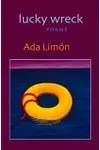
- Lucky Wreck (2006): Her debut collection, which won the Autumn House Poetry Prize. It introduces her curiosity about the world and her interest in the intersections of domestic life, memory, and travel.
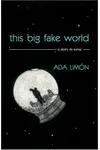
- This Big Fake World: A Story in Verse (2006): Winner of the 2005 Pearl Poetry Prize. This is an unusual book in her bibliography as it features a loose narrative structure centered on a character named "Mr. Jones" and his quiet struggles with love and identity.
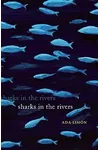
- Sharks in the Rivers (2010): A collection that explores roots, geography, and how the places we inhabit shape our identity. This book marks a clear transition toward the nature-centered imagery that dominates her later work.
- Bright Dead Things (2015): Her breakout work examining grief, relocation, survival, and the wildness of both the heart and the natural world.
- The Carrying (2018): A highly decorated collection that balances personal vulnerability with ecological observation.
- The Hurting Kind (2022): A quiet, meditative collection exploring the relationships we build with people, animals, and the seasons.
- Startlement: New and Selected Poems (2025): A milestone retrospective compiling two decades of her published works alongside a selection of brand-new poems.
What to Know Before You Start: Themes and Style
Before diving into Limón’s poetry, it is helpful to understand the core elements that define her work. Unlike academic poetry that can sometimes feel distant or overly intellectual, Limón’s style is conversational, direct, and welcoming.
Accessibility and Diction
Limón is a champion of making poetry accessible to everyone, a mission she heavily promoted during her tenure as the 24th U.S. Poet Laureate. Her language is close to everyday speech, yet it possesses a lyrical rhythm. She writes about ordinary things—horses, weeds, weeds growing through asphalt, driving, making dinner—and gently guides the reader to find the sacred or the startling within them.
The Natural World and Ecopoetry
Nature is not just a backdrop in Limón's work; it is a primary character. She frequently writes about trees, birds, weather, and landscapes, using them as mirrors for human emotion. Rather than viewing humans as separate from nature, she emphasizes our physical and spiritual entanglement with the environment.
Grief, Loss, and Celebration
Her poems do not shy away from pain, mortality, or ecological anxiety. However, they rarely descend into despair. Instead, she balances grief with a fierce commitment to joy, praise, and survival. She writes frequently about the resilience of the body and the capacity to heal.
Edited Anthologies and Laureate Projects
In addition to her solo poetry, Ada Limón has edited and contributed to several prominent anthologies and public initiatives. Knowing the difference between these and her primary poetry collections is key for collectors.
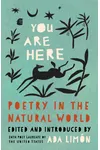
- You Are Here: Poetry in the Natural World (2024): This book is often mistaken for a collection of Limón's own poetry. In reality, it is a landmark anthology that she edited and introduced as part of her signature project as U.S. Poet Laureate. It features fifty previously unpublished poems by contemporary American poets reflecting on their local environments.
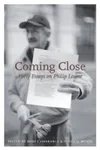
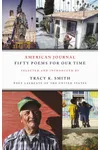
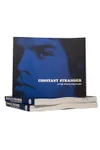
- Other Collaborative Anthologies: Over the years, Limón has contributed essays, introductions, or selections to projects like Coming Close: Forty Essays on Philip Levine (2013), American Journal: Fifty Poems for Our Time (2018), Constant Stranger (2019), and Another Last Call: Poems on Addiction and Deliverance (2023). These are excellent for readers who want to explore the wider literary community she champions.
Practical Reader Advice and FAQs
Here are some final tips for making the most of your reading experience. You do not need to read her books in one sitting; poetry is often best digested slowly, a few poems at a time. Many readers find it helpful to keep a notebook nearby, as Limón's conversational style often inspires readers to reflect on their own lives and local environments. If you are reading her work with a book club, Bright Dead Things and The Carrying offer the most robust discussion points around modern adulthood, grief, and fertility.