







Where to Start Reading Al Sarrantonio
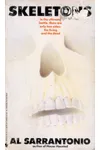
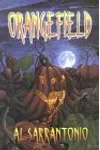
For readers new to Al Sarrantonio’s genre-defying bibliography, the best entry point depends on which flavor of speculative fiction you prefer. If you are looking for classic, atmosphere-drenched horror, start with his standalone novel Skeletons (1992) or the foundational book of his Halloween mythology, Orangefield (2002). For fans of science fiction, the planetary romance trilogy Masters of Mars provides a fast-paced, imaginative adventure inspired by pulp classics. Most of Sarrantonio's books can be read as standalones, but his thematic series benefit from being read in publication order to appreciate how the shared lore builds over time.
The Orangefield Cycle: A Halloween Mythos
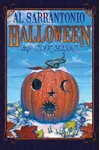
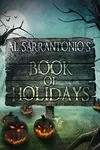
The Orangefield Cycle is Sarrantonio's signature achievement in horror. Set in the fictional, pumpkin-growing town of Orangefield, New York, these stories explore the sinister presence of Samhain, the ancient Celtic Lord of Death. Although some books were published as standalones, they all contribute to the town's chilling history. We recommend reading them in this order to fully experience the expanding mythos:
- Orangefield (2002) - The essential starting point. This foundational novel introduces the town's obsession with Halloween and the awakening of Samhain.
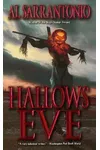
- Hallows Eve (2004) - A follow-up novel that delves deeper into the supernatural conspiracies hidden beneath the town's seasonal festivities.
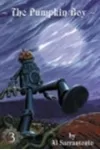
- The Pumpkin Boy (2005) - A creepy companion novella focusing on a local legend that haunts the borders of the town.
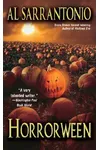
- Horrorween (2006) - The next major novel in the cycle, ramping up the cosmic stakes as the boundary between the living and the dead dissolves.
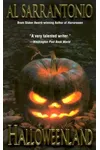
- Halloweenland (2007) - A surreal and climactic entry that pushes the town's bizarre mythology to its limits.
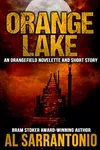
- Orange Lake (2015) - A late-career novelette that serves as a haunting epilogue to the town's legacy.
For convenience, many of these stories were later compiled into The Orangefield Cycle Omnibus, showcasing how Sarrantonio blended folklore, small-town secrets, and visceral scares.
The Five Worlds Saga
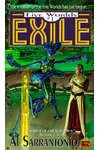
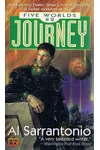
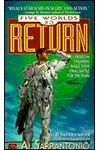
In the late 1990s, Sarrantonio shifted his focus to cosmic dread and military science fiction with the Five Worlds Saga. This trilogy depicts a desperate war between humanity—clinging to life on a terraformed Venus and Mars—and an enigmatic alien force that has systematically wiped out life in the outer solar system. It should be read in strict publication order:
- Exile (1996)
- Journey (1997)
- Return (1998)
Masters of Mars Trilogy
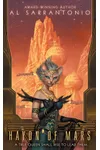
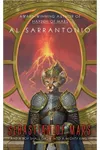
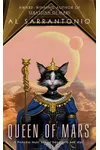
For a lighter, more adventurous take on science fiction, Sarrantonio penned the Masters of Mars trilogy. Heavily inspired by Edgar Rice Burroughs’ Barsoom and classic sword-and-planet adventure, this series features feline Martian dynasties, planetary politics, and thrilling battles. The Science Fiction Book Club released an omnibus edition of the trilogy in 2006, but if you are reading the individual books, follow the release order:
- Haydn of Mars (2004)
- Sebastian of Mars (2005)
- Queen of Mars (2006)
Mystery and Western Series
Sarrantonio also wrote in traditional genres, bringing his character-driven style and sharp plotting to mystery and Western settings:
Jack Paine Mysteries
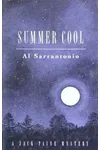
A short detective series following private investigator Jack Paine as he navigates cold cases and urban crime. Read them in order:
- Cold Night (1989)
- Summer Cool (1993)
Novel of the West
Atmospheric Western novels that capture the rugged isolation and moral conflicts of the American frontier. Read them in order:
- West Texas (1991)
- Kitt Peak (1993)
Standalone Novels and Short Fiction
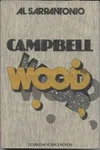
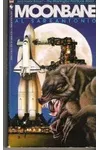
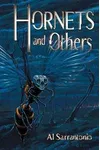
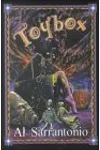
Beyond his series, Sarrantonio wrote several highly acclaimed standalone novels. Skeletons (1992) remains a cult favorite, depicting a unique post-apocalyptic scenario where humanity's dead rise as intelligent, organized skeletons. Other notable standalones include Moonbane (1989), a fast-paced werewolf invasion thriller, and Campbell Wood (1986), which highlights his early talent for building claustrophobic suspense. His short fiction collections, particularly Toybox (1999) and Hornets and Others (1985), are excellent for readers who want to sample his shorter, punchier horror and dark fantasy tales.
The Master Editor: Key Anthologies
You cannot fully appreciate Sarrantonio's impact on speculative fiction without looking at his work as an editor. He curated some of the most influential anthologies of the turn of the century. His Bram Stoker Award-winning anthology, 999: New Stories of Horror and Suspense (1999), is widely considered a landmark collection that defined modern horror. Additionally, he co-edited the acclaimed anthology Stories: All-New Tales (2010) with Neil Gaiman, focusing on imaginative storytelling that transcends traditional genre boundaries.