




How to Read the Fools' Guild Mystery Series
When diving into Alan Gordon's historical mystery series, the best path forward is to follow the publication order. Although the series features significant historical flashbacks and jumps in time, the overarching development of the relationship between the main characters—the jester spy Theophilos and his wife Claudia—is told sequentially. Reading the books out of order will spoil major relationship dynamics and character growth.
The series is set against the backdrop of the late 12th and early 13th centuries, mixing historical realism with characters drawn from Shakespeare's plays, notably Twelfth Night and Hamlet. In this universe, the fools of the world belong to a secret organization called the Fools' Guild, which acts as a covert intelligence agency dedicated to maintaining peace and preventing bloody wars across Europe and the Mediterranean.
Fools' Guild Series in Publication Order
Here is the recommended reading list for the Fools' Guild series, tracking their publication history:
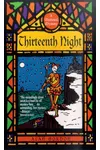
- Thirteenth Night (1998) – The series opener begins shortly after the events of Shakespeare's Twelfth Night. Feste (now going by Theophilos) returns to Illyria to investigate the suspicious death of Duke Orsino. Here, he reunites with Viola (Claudia), who joins him in his guild duties.
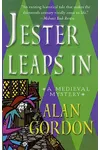
- Jester Leaps In (2000) – Theophilos and Claudia travel to Constantinople to investigate the suspicious disappearances of fellow Guild agents amidst rising tensions in the Byzantine Empire.
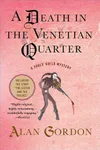
- A Death in the Venetian Quarter (2002) – Set during the build-up to the devastating Fourth Crusade, the duo must solve a murder in Constantinople's Venetian quarter before war erupts.
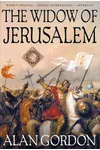
- The Widow of Jerusalem (2003) – Fleeing from the wrath of the Church in 1204 AD, Theophilos narrates a story from his past involving the Third Crusade and Isabelle, the Queen of Jerusalem.
- An Antic Disposition (2004) – A prequel-style novel framed in the present, detailing Theophilos's early years in Denmark, his friendship with Amleth (the inspiration for Hamlet), and the origins of the Fools' Guild.
- The Lark's Lament (2007) – Theophilos and Claudia find themselves investigating a murder at a Cistercian abbey, where music and dangerous secrets collide.
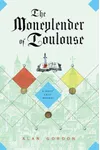
- The Moneylender of Toulouse (2008) – Now in Toulouse, France, the family faces local political and religious turmoil as the Albigensian Crusade looms.
- The Parisian Prodigal (2010) – The eighth and final installment of the series wraps up the adventures of the Fools' Guild with a murder mystery set in Paris.
The Chronological Maze: Flashbacks and Framing Stories
Readers often wonder if they should read the series chronologically by setting rather than publication order. The answer is a firm no, as the books use framing narratives to look backward rather than taking place entirely in the past. Here is how the timelines break down:
The Widow of Jerusalem (1204 AD vs. 1191–1192 AD)
The main action of this book is set in 1204 AD, with the Fools' Guild fleeing across the Alps. To pass the time, Theophilos tells his daughter and wife a story from the Third Crusade (1191–1192 AD), detailing his collaboration with Scarlet the Dwarf. Trying to read this first would spoil the status of the characters' lives in 1204 AD.
An Antic Disposition (1204 AD vs. late 12th Century Denmark)
Similarly, the fifth book is framed in 1204 AD but acts as an origin story for Theophilos. It details his time in Denmark, his encounters with Amleth, and his relationship with Terrance of York (who would become Yorick). It is best read fifth because the emotional weight of these revelations relies on your long-term connection to the characters.
Other Works by Alan Gordon
While the Fools' Guild series is Gordon's main literary contribution, he has participated in a few notable anthologies and collaborative scripts:
Short Stories and Anthologies
- Queens Noir (2008) – Alan Gordon contributed the short story "Bottom of the Sixth" to this anthology, which showcases dark, crime-focused stories set in the borough of Queens, New York.
Playwriting Collaborations
- Sketching (2018) – Gordon was one of eight emerging writers selected to collaborate with Olivier Award-winning playwright James Graham. Inspired by Charles Dickens's Sketches by Boz, Gordon wrote the segment titled "The Emancipation of Shona Bell-e" for the production at Wilton's Music Hall in London.
What to Know Before You Start
Before jumping in, it helps to understand that Alan Gordon is a lawyer for the Legal Aid Society in New York by day, and a writer and musical theater librettist by night (winning the Kleban Prize for his musical The Usual in 2013). This background shines through in his writing. The dialogue is snappy, the plots are structured with legalistic precision, and the theatrical, Shakespearean roots are treated with deep respect and clever revisionism. The books read like a historical spy thriller mixed with a comedy of manners—think James Bond in motley.