










The Recommended Reading Path
For readers looking to dive into the world of Ancient Rome through the eyes of a Stoic magistrate, the best way to experience the series is in publication order. Alan Scribner introduces the characters, the legal framework of the Roman Empire, and the primary setting of Rome in the debut novel. Reading the books as they were published allows you to appreciate the developing political backdrop of the reign of Emperor Marcus Aurelius and the gradual personal evolution of Judge Marcus Flavius Severus and his close associates.
Where to Start
Start your journey with the very first book, Mars the Avenger (2012). This novel establishes the character of Judge Severus, his investigative techniques, and the colorful, bustling streets of 2nd-century Rome. It sets the tone for a series that functions like a procedurally detailed historical drama, combining classical historical details with the logic of a classic whodunit.
Judge Marcus Flavius Severus Series in Publication Order
The core of Alan Scribner’s bibliography is the Judge Marcus Flavius Severus Mystery series. Below is the complete list of novels in their order of publication, including their original release years and brief overviews of the cases Severus investigates:
- Mars the Avenger (2012) – The debut case introducing Judge Marcus Flavius Severus as he investigates a complex murder in the heart of Rome, navigating the corrupt elements of the city.
- The Cyclops Case (2013) – Severus travels to the luxury-drenched Bay of Naples, investigating a counterfeiting ring and a series of murders linked to the myth of Odysseus.
- Marcus Aurelius Betrayed (2014) – Taking the judge to the intellectual capital of Alexandria, this novel centers on a deadly poisoning plot that threatens the stability of the empire.
- The Return of Spartacus (2016) – Set against the backdrop of gladiatorial schools, Severus must untangle a conspiracy that echoes the rebellion of Spartacus.
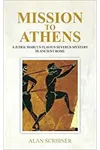
- Mission to Athens (2017) – The series shifts focus to the philosophical and cultural hub of Athens, where Severus is called to resolve a politically sensitive mystery.
- Across the River Styx (2018) – Severus investigates a dark mystery that takes him to the edges of the known world, exploring themes of death and the afterlife in the classical mind.
- The Persian Assassin (2019) – An international conspiracy threatens Rome as Severus deals with a plot involving eastern spies and political assassinations.
- A Shipwreck Conspiracy (2020) – A maritime mystery focusing on a sunken vessel, insurance fraud, and a conspiracy that extends high into the Roman administration.
- The Dagger of Nemesis (2021) – A tense investigation involving personal vengeance, divine justice, and a killer who leaves behind a trail of clues linked to the goddess Nemesis.
- The Wages of Sedition (2022) – Severus tackles political subversion and unrest within the empire, showing the fragile stability under the Stoic emperor.
- Tribunal (2023) – A courtroom-heavy drama in Rome dealing with a murder trial, treason, and mafia-like organized crime families operating in the ancient capital.
- Murder at the Athenaeum (2024) – Set in 178 CE, Severus investigates blackmail, academic rivalry, and murder at the famous Athenaeum institute of advanced learning.
Chronological Order and Historical Continuity
The chronological timeline of the novels aligns closely with their publication order. The stories take place during the 2nd century CE, specifically during the later years of the Pax Romana under the Antonine dynasty, primarily during the reign of Emperor Marcus Aurelius. For example, Murder at the Athenaeum is explicitly set in 178 CE, near the end of Marcus Aurelius's reign (which concluded in 180 CE). Because the books follow the real-time political events of the Roman Empire, reading them in chronological sequence mirrors the exact progression of history.
What to Know Before You Start
Alan Scribner brings a unique perspective to historical fiction. Having graduated from Yale Law School and worked as an Assistant District Attorney in New York County (under the legendary Frank S. Hogan) and later as a criminal defense attorney, Scribner infuses his books with authentic legal procedures. Readers often describe his books as a Roman version of Law & Order.
Instead of modern forensics, Judge Severus relies on Roman legal mechanisms, interviews, and classical logic. Scribner does not shy away from the harsher realities of Roman law, detailing historical elements like judicial torture of enslaved witnesses, official rescripts from the emperor, and the complex hierarchy of the Roman courts. Despite these harsh details, the books retain a approachable, page-turning style that balances historical scholarship with engaging mystery plots.
Non-Fiction Connection
For readers interested in the philosophical foundations of Scribner's characters, he also co-authored a non-fiction book titled Anni Ultimi: A Roman Stoic Guide to Retirement, Old Age and Death (with J.C. Douglas Marshall). This work translates and explores the Stoic philosophies of Seneca, which heavily influence Judge Severus's world view and calm, analytical approach to solving crimes.