





Where to Start Reading Alastair Reynolds
If you are new to Alastair Reynolds, you have two excellent ways to begin. Your choice depends on whether you want to dive straight into a massive, multi-book universe or test the waters with a self-contained story first.
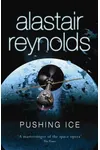
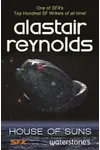
Option A: The Standalone Route (Highly Recommended). Start with House of Suns (2008). It is widely considered his finest standalone novel. It features clones, post-humanity, and galaxy-spanning voyages over millions of years, showcasing Reynolds' grand style without requiring any further reading commitments. Another great standalone option is Pushing Ice (2005), which offers a gripping story about a mining crew pushed into deep space.
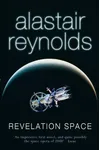
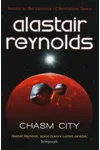
Option B: The Revelation Space Route. If you want to jump right into the universe that made Reynolds famous, start with Revelation Space (2000), the book that kicked off the entire setting. Alternatively, you can read Chasm City (2001) first. Although set in the same universe, it acts as a standalone gothic noir thriller that introduces the world's gritty atmosphere in a highly accessible way.
The Revelation Space Universe Reading Order
The Revelation Space universe is Reynolds' most famous creation. It is a gritty, hard-science-fiction setting where faster-than-light travel does not exist, meaning voyages take decades or centuries, and humanity is hunted by cold, alien machines known as the Inhibitors. Because the timeline spans thousands of years, choosing a reading order can seem daunting. We strongly recommend reading in publication order to experience how Reynolds built the world and its technology over time.
1. The Core Inhibitor Sequence
This is the central narrative arc of the universe, focusing on humanity's struggle against the machine Inhibitors. They should be read in this order:
- Revelation Space (2000)
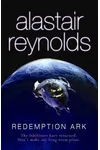
- Redemption Ark (2002)
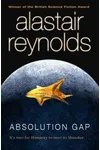
- Absolution Gap (2003)
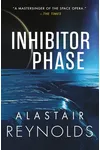
- Inhibitor Phase (2021) — Written years later, this novel fits between Redemption Ark and Absolution Gap chronologically, but it is best read after finishing the original trilogy because it relies on familiarity with the setting and characters.
2. The Prefect Dreyfus Emergency Series
This subseries serves as a prequel to the main Inhibitor sequence. Set during the golden age of the Glitter Band before its devastating plague, it follows Inspector Dreyfus as he investigates conspiracies. While they are set earlier chronologically, reading them after the main trilogy is recommended for the best appreciation of the lore. Read them in this order:
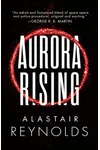
- Aurora Rising (originally published as The Prefect, 2007)
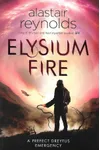
- Elysium Fire (2018)
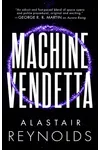
- Machine Vendetta (2024)
3. Standalones & Short Stories in the Universe
These books and stories expand the Revelation Space universe and can be read at almost any point, though they are best enjoyed after you have a basic grasp of the setting:
- Chasm City (2001) — A standalone novel set in a plague-ruined city, perfect to read right after the first book.
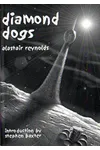
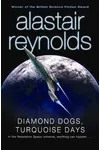
- Diamond Dogs, Turquoise Days (2003) — Two dark, atmospheric novellas set in the same universe.
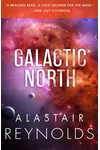
- Galactic North (2006) — A collection of short stories that spans the entire history of the universe. Warning: Read this collection only after finishing Absolution Gap, as some stories contain massive spoilers for the end of the main sequence.
Poseidon's Children Trilogy
This is a separate, more optimistic science fiction trilogy that charts humanity's expansion from a near-future Earth across the stars over several generations. It features a focus on African space pioneers and a world where AI and surveillance are ubiquitous. You must read these in chronological/publication order:
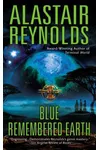
- Blue Remembered Earth (2012)
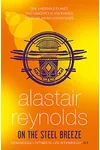
- On the Steel Breeze (2013)
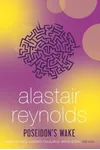
- Poseidon's Wake (2015)
The Revenger Series
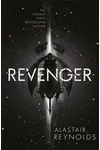
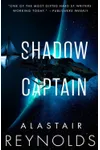
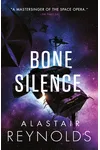
Set in a far-future solar system that has collapsed and rebuilt itself dozens of times, the Revenger series is a dark, space-pirate adventure. It follows two sisters who end up on opposing sides of a cosmic hunt. The trilogy is aimed at both young adults and adults and should be read in this order:
- Revenger (2016)
- Shadow Captain (2019)
- Bone Silence (2020)
The Merlin Sequence
The Merlin sequence consists of interconnected stories featuring a wandering protagonist searching for a legendary weapon to end a galactic war. These are usually found in Reynolds' short story collections, but they follow a clear narrative timeline:
- "Hideaway" (2000)
- "Minla’s Flowers" (2005)
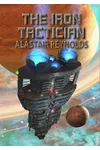
- The Iron Tactician (2016)
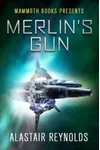
- "Merlin’s Gun" (1999/2000)
Standalone Novels
If you prefer self-contained stories, Reynolds has written several acclaimed standalones outside of his major series. They can be read in any order:
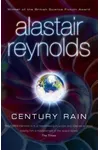
- Century Rain (2004) — A blend of alternate history, mid-20th-century Paris, and future space exploration.
- Pushing Ice (2005) — A hard sci-fi epic about humanity pushed into deep space when Saturn's moon Janus suddenly starts moving.
- House of Suns (2008) — A grand space opera featuring clone lines traveling the galaxy.
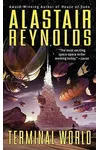
- Terminal World (2010) — A planetary romance set in a massive, tiered city where different levels have different laws of physics.
- Permafrost (2019) — A time-travel novella dealing with ecological collapse.
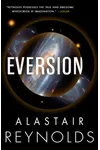
- Eversion (2022) — A gothic-inspired mystery where a crew keeps waking up on different historical sailing and space vessels.
Doctor Who & Collaborative Works
Reynolds has also contributed to other sci-fi universes and collaborated with major authors:
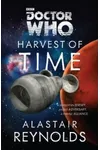
- Doctor Who: Harvest of Time (2013) — A tie-in novel featuring the Third Doctor, Jo Grant, and the Master. Note that while some database lists include other Third Doctor books (like The Curse of Peladon or Dancing the Code) alongside it, those were written by other authors; Harvest of Time is Reynolds' only contribution.
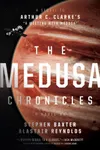
- The Medusa Chronicles (2016) — Co-authored with Stephen Baxter, this novel is a direct sequel to Arthur C. Clarke's classic 1971 novella A Meeting with Medusa.