


How to Read Sir Alex Ferguson's Books
Sir Alex Ferguson is widely considered the greatest football manager in history. Over his 26-year tenure at Manchester United and his earlier successes in Scotland, he developed a legendary management style based on discipline, work ethic, and adaptability. While he did not write fiction, his books provide a fascinating look at his life, his tactical approaches, and his leadership philosophies. To get the most out of his publications, readers should follow a specific path rather than reading randomly.
The Recommended Reading Path
If you want to understand the man behind the legend, we recommend starting with his two core autobiographies in chronological order, followed by his leadership manual, and then dipping into his specific seasonal diaries for deep-dive campaign details.
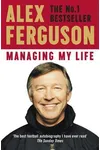
- Step 1: Start with the Foundation – Managing My Life: The Autobiography (1999). This book covers his childhood in Govan, his playing career, and the first half of his managerial reign at Manchester United, culminating in the historic 1999 Treble.
- Step 2: Follow Up with the Finale – Alex Ferguson: My Autobiography (2013). Published after his retirement, this book picks up where the previous one left off, detailing his final decade and a half (2000–2013), his relationships with star players, and his transition out of management.
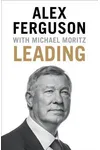
- Step 3: Extract the Lessons – Leading: Learning from Life and My Years at Manchester United (2015). Co-written with Michael Moritz, this is a thematic guide focused on his leadership philosophy, team-building, and organizational management.
- Step 4: Explore the Seasonal Diaries – If you want to experience the drama of specific historical seasons in real-time, explore his diary-style books: Just Champion! (1993), A Year in the Life (1995), A Will to Win (1997), and The Unique Treble (2000).
Publication Order of Sir Alex Ferguson's Books
For readers who want to follow his perspective as it evolved in real-time throughout his career, here is the complete list of his books in publication order:
- Just Champion! (1993) – Co-authored with Peter Fitton, this book captures the immediate excitement of Manchester United's 1992–93 season, which ended the club's 26-year league title drought.
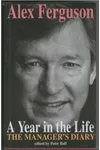
- A Year in the Life: The Manager's Diary (1995) – Co-authored with Peter Ball, this volume documents the rollercoaster 1994–95 season in diary format, showing the daily challenges of a high-pressure campaign.
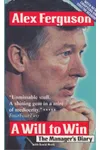
- A Will to Win: The Manager's Diary (1997) – Co-authored with David Meek, this book covers the 1996–97 championship-winning season.
- Managing My Life: The Autobiography (1999) – His first comprehensive memoir, detailing his early life and career up to the iconic 1999 Treble.
- The Unique Treble (2000) – A dedicated, detailed account of the historic 1998–99 season where Manchester United won the Premier League, FA Cup, and UEFA Champions League.
- Alex Ferguson: My Autobiography (2013) – His second major autobiography, reflecting on the final era of his career, player relationships, and his eventual retirement.
- Leading: Learning from Life and My Years at Manchester United (2015) – A management and leadership book summarizing his core rules for success.
Understanding the Autobiographies vs. The Diaries
Many readers get confused by the overlap between Sir Alex's different books. It is important to distinguish between his comprehensive autobiographies and his seasonal diaries. The seasonal diaries are highly detailed, immediate accounts written in collaboration with sports journalists while Ferguson was in the thick of the action. They capture the raw, week-by-week emotions of specific campaigns. In contrast, the autobiographies are reflective, retrospective works written with the benefit of hindsight, allowing Ferguson to evaluate his decisions, player relations, and long-term legacy.
What to Know Before You Start
Ferguson's books are highly engaging but assume a basic familiarity with British football. For the best experience, keep these details in mind:
- Co-authors and Collaborators: Sir Alex worked with trusted sports journalists and writers for his books. Notable collaborators include Peter Fitton, Peter Ball, David Meek, and venture capitalist Michael Moritz for Leading.
- Tone and Style: The books reflect his famous personality—direct, demanding, intensely loyal, and deeply passionate about the sport and his players.
- Standalone vs. Series: While the books are technically standalones, the two autobiographies function as a two-part chronicle of his life. Reading them out of order can ruin the narrative flow of his managerial evolution.