


The Recommended Reading Path
Alex Michaelides has taken the psychological thriller world by storm with his intricate plots, unreliable narrators, and atmospheric storytelling. While his novels—The Silent Patient, The Maidens, and The Fury—are marketed as standalones, they actually share a carefully constructed fictional universe. Recurring characters, overlapping timelines, and major plot references tie these books together. Because later novels contain substantial spoilers for earlier twists, the absolute best way to experience his work is in publication order.
The Shared Universe in Publication Order
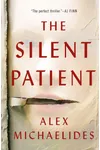
1. The Silent Patient (2019)
This is the novel that started it all. The story centers on Alicia Berenson, a famous painter who shoots her husband five times in the face and then stops speaking entirely. Her silence turns her into a psychological mystery and a media sensation. Enter Theo Faber, a forensic psychotherapist who becomes obsessed with Alicia's case and secures a position at The Grove, a secure psychiatric facility in North London. Theo is determined to make Alicia speak and uncover the truth behind her silence, leading to a jaw-dropping twist that redefined the modern psychological thriller.
2. The Maidens (2021)
Michaelides' second novel shifts its focus to the gothic, academic halls of Cambridge University. The story follows Mariana Andros, a grieving group therapist who rushes to Cambridge after her niece's friend is murdered. Mariana becomes convinced that Edward Fosca, a charismatic professor of Greek tragedy, is behind the killing. Fosca is surrounded by a secret society of female students known as "The Maidens." Mariana's investigation weaves deep themes of Greek mythology and tragedy, particularly the myth of Persephone and the underworld.
3. The Fury (2024)
Set on a private Greek island, this locked-room mystery is narrated by Elliot Chase, a cynical and highly unreliable playwright. The story revolves around Lana Farrar, a reclusive former movie star who invites her closest friends to escape the English winter on her private island. When a storm cuts the island off from the mainland, a murder occurs. Elliot guides the reader through a complex maze of flashbacks, meta-narratives, and shifting perspectives, paying direct homage to Agatha Christie's classic mystery structures.
Chronological Timeline vs. Publication Order
While reading in publication order is highly recommended, the actual chronological order of events in the fictional universe is slightly different. The events of The Maidens actually take place before the primary timeline of The Silent Patient. During the epilogue of The Maidens, Mariana Andros meets Theo Faber and suggests that he apply for an open therapist position at The Grove. This brief interaction serves as the direct prequel setup for the beginning of The Silent Patient. However, reading The Maidens first is not recommended for first-time readers, as the narrative payoff and character introductions work best when experienced in the order they were written.
Detailed Character Connections and Crossovers
The threads connecting Michaelides' books are more than just easter eggs; they build a cohesive web of characters linked by therapy, trauma, and clinical settings. Here is how the books overlap:
- Theo Faber's Journey: Theo Faber is the central figure of The Silent Patient, but he also makes a crucial cameo appearance in the epilogue of The Maidens, establishing his backstory before he begins treating Alicia Berenson.
- Mariana Andros' Crossover: Mariana Andros, the therapist protagonist of The Maidens, crosses over directly into The Fury. It is revealed that she serves as the therapist for the narrator, Elliot Chase.
- Spoiler Alert in The Fury: The epilogue of The Fury features major spoilers regarding the ultimate fates and resolutions of characters from both The Silent Patient and The Maidens. If you read The Fury first, the central mysteries of the first two novels will be completely spoiled.
What to Know Before You Start
Michaelides draws heavy inspiration from classic detective fiction and ancient Greek tragedies. Before diving in, readers should expect a heavy focus on the psychology of trauma, art, mythology, and unreliable narration. The author's real-world background studying psychotherapy and working at a secure psychiatric unit for adolescents in North London lends a chilling authenticity to the therapy scenes and clinical settings featured throughout his books.