













Where to Start Reading Alexander Key
For readers looking to dive into the worlds of Alexander Key, the best place to begin is with his two most acclaimed standalone science fiction novels. These books perfectly capture his signature style: empathetic, nature-loving young protagonists with extraordinary abilities navigating a world that fears them.
- The Forgotten Door (1965): A beautiful, quiet masterpiece about Little Jon, a boy who falls through a mysterious portal into our world. Armed with telepathic abilities and a deep connection to animals, Jon must find his way home while fleeing suspicious and hostile locals. It is the perfect introduction to Key's gentle, environmentalist themes.
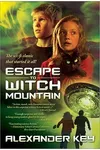
- Escape to Witch Mountain (1968): The author's most famous work. It follows orphaned siblings Tony and Tia, who possess telekinetic and telepathic powers, as they seek their true origins while running from a sinister adversary.
The Witch Mountain Series: Books and Movie Adaptations
Although widely known due to multiple Walt Disney movie adaptations, the Witch Mountain literary universe is actually quite compact, consisting of only two books. However, understanding their relation to the movies is essential for a complete reading experience.
- Escape to Witch Mountain (1968): The original novel. Unlike the lighthearted and action-heavy Disney films (released in 1975, 1995, and 2009), the original book is darker, more atmospheric, and deeply grounded in the characters' internal struggles and connection to nature.
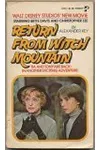
- Return from Witch Mountain (1978): While this book bears Key's name, it is a novelization of the 1978 Disney film sequel written by Malcolm Marmorstein. Because the movie sequel was an original screenplay not based on a pre-existing manuscript by Key, he was hired to write the novelization to tie in with the theatrical release. It follows the movie's plot closely and is best read as a companion piece to the film rather than a direct, organic literary sequel.
The Sprockets Robot Series
Key's only dedicated original series written as consecutive fiction is the Sprockets trilogy, which follows the whimsical adventures of a pint-sized robot and his family. These books are lighter in tone than his later sci-fi adventures but show his early interest in technological consciousness.
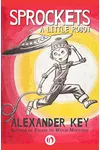
- Sprockets: A Little Robot (1963): Introduces Sprockets, a small robot accidentally manufactured with a highly advanced electronic brain who is adopted by a kind scientist and his son.
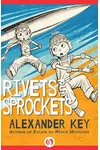
- Rivets and Sprockets (1964): Sprockets is joined by his newly manufactured "brother," Rivets, who is far more impulsive. Together, they embark on a journey to Mars.
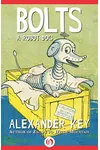
- Bolts: A Robot Dog (1966): The family expands to include Bolts, a witty and resourceful robot dog.
Key Standalone Novels and Their Legacies
Alexander Key spent most of his writing career crafting standalone stories. Several of these stand out for their historical importance and unique concepts:
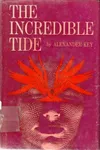
- The Incredible Tide (1970): A post-apocalyptic survival story set years after a cataclysmic war tilted the Earth's axis and submerged the continents. The young protagonist, Conan, struggles to live in harmony with nature while resisting the cold, industrial remnants of human society. This book was famously adapted by legendary director Hayao Miyazaki as the landmark 1978 anime series Future Boy Conan, marking Miyazaki's directorial debut.
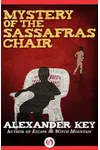
- Mystery of the Sassafras Chair (1967): A fantasy mystery set in the Carolina mountains that blends local folklore with the supernatural. It follows Timor, a boy who bonds with an old hermit who carves him a special sassafras chair. After the hermit passes, the chair begins to speak in his voice to help clear his name.
- The Strange White Doves: True Mysteries of Nature (1972): A unique nonfiction entry in Key's bibliography. In this book, Key documents his personal observations of animals, arguing that they possess consciousness, empathy, and telepathic connections. This work acts as a philosophical key to understanding the psychic themes present throughout his fiction.
The Rivers of America Connection: Key as an Illustrator
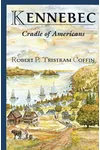
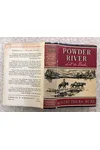
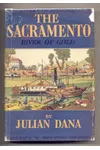
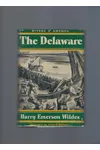
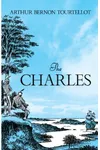
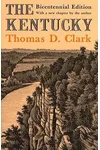
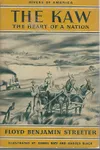
Readers researching Key's bibliography often encounter a massive 34-book list under the title "Rivers of America Books." It is crucial to clarify that Key did not write these historical and geographical works. Instead, he was an accomplished commercial artist and illustrator. He provided the illustrations for the third volume of the series, Suwannee River: Strange Green Land (1938), written by Cecile Hulse Matschat. The other volumes in the series were written and illustrated by different creators, though Key's artistic contribution remains a highly sought-after collector's item.
What to Know Before You Start
Since most of Alexander Key's novels are standalones, you do not need to worry about strict chronological order outside of the Sprockets trilogy and the Witch Mountain pair. However, because his books were primarily sold directly to libraries in the mid-to-late 20th century, original physical copies can be rare and highly collectible. Fortunately, digital reprints and library archives have made these timeless tales of telepathy, nature, and wonder accessible to a new generation of readers.