
Where to Start with Alexey Osadchuk
If you are diving into the works of Alexey Osadchuk, you are entering a space where survival, strategic progression, and high stakes rule. Osadchuk is a foundational voice in the LitRPG and Progression Fantasy genres. Because his series exist in distinct universes, you have three primary starting paths depending on what flavor of fantasy you prefer:
- For Classic LitRPG: Start with Project Daily Grind, the first book in the Mirror World series. This is a classic MMORPG-style story with high emotional stakes where a father plays a game to fund his daughter's heart surgery.
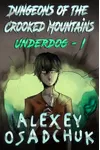
- For Underdog Survival: Start with Dungeons of the Crooked Mountains, the opener of the Underdog series. This focuses on a zero-level protagonist trying to survive a harsh system that actively works against him.
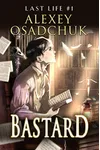
- For Isekai and Kingdom Building: Start with Bastard, the first book in the Last Life series. This is a progression fantasy about a modern man reincarnated into a medieval magical world full of courtly intrigue and political drama.
The Mirror World Series
Mirror World is the series that established Osadchuk as a household name for LitRPG fans. Unlike stories where characters seek glory or power, the protagonist Oleg enters the virtual game world out of sheer financial desperation to save his daughter's life. The progression is slow, tactical, and grounded in the grueling reality of virtual labor before expanding into grander adventures.
We recommend reading the Mirror World series in publication order, which follows the chronological storyline:
- Project Daily Grind (2016)
- The Citadel (2016)
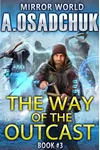
- The Way of the Outcast (2016)
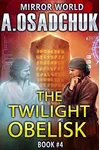
- The Twilight Obelisk (2017)
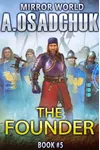
- The Founder (2022)
The Underdog Series
The Underdog series shifts away from standard virtual reality gaming into a world ruled by a mysterious system. The story follows Eric Bergman, a young man born with a glitch that keeps him at level zero. Constantly looked down upon and forced into the dangerous Crooked Mountains, Eric has to rely on pure wit, mining, and system exploits to carve out his path. This series is complete at eight books and should be read in chronological order:
- Dungeons of the Crooked Mountains (2019)
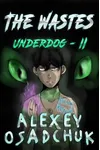
- The Wastes (2019)
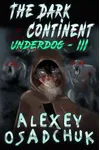
- The Dark Continent (2020)
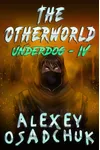
- The Otherworld (2020)
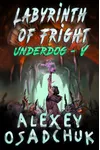
- Labyrinth of Fright (2020)
- Showdown (2021)
- Arbiter (2021)
- Renegade (2022)
The Last Life Series
If you want a break from stat-heavy game sheets and prefer progression fantasy mixed with noble house politics, the Last Life series is the perfect choice. It tells the story of Jack, a highly skilled man from our world who reincarnates as Max Renard—the illegitimate son of a disgraced traitor in a feudal magic world. To survive, he must hide his past, master magic, and navigate dangerous political waters. This is Osadchuk's longest series, spanning twelve books:
- Bastard (2022)
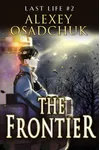
- The Frontier (2023)
- Blood Ties (2023)
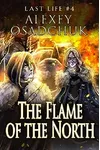
- The Flame of the North (2023)
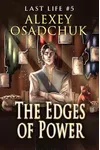
- The Edges of Power (2024)
- Campaign (2024)
- The Law of Power (2024)
- Shadow Pass (2025)
- Predestination (2025)
- Breaking Point (2026)
- Resistance (2026)
- Onslaught (2026)
LitRPG Anthologies
For readers who want a taste of Osadchuk's shorter fiction alongside other Russian LitRPG pioneers, he has contributed to several multi-author anthologies. These are great side reads if you want to sample different writers within the same genre space:
- You're in Game! (2017)
- You're in Game 2 (2018)
What to Know Before You Start
The Style of Russian LitRPG
Alexey Osadchuk writes in the tradition of early Russian LitRPG. Compared to some western counterparts, these books often feature darker settings, protagonists who face severe economic or social disadvantages, and heavily detailed mechanics where every stat point is hard-earned. If you like stories where characters have to claw their way up from the absolute bottom, his books will resonate with you.
Translation Notes
Osadchuk writes his novels in Russian, and they are subsequently translated into English. The translations are widely praised by fans for capturing the tone and fast pace of the original stories, though readers may occasionally spot minor stylistic differences common to translated fantasy works.