















































Where to Start Reading Alice Walker
For most readers, the absolute best place to start is with Walker's masterpiece, The Color Purple (1982). Winner of both the Pulitzer Prize and the National Book Award, this epistolary novel tells the story of Celie, a young Black woman fighting for survival, dignity, and love in the Jim Crow South. It is the perfect introduction to Walker’s lyrical voice, her deep empathy, and her concept of "womanism"—a term she coined to describe Black feminist thought that prioritizes family, community, and emotional wholeness.
However, if you want to experience the evolution of her fiction from the very beginning, starting with her debut novel, The Third Life of Grange Copeland (1970), is an excellent alternative path. It provides a raw, unflinching look at intergenerational trauma and survival in rural Georgia, laying the structural and thematic groundwork for her later works. If you are specifically interested in stories of activism and personal sacrifice during the Civil Rights Movement, starting with Meridian (1976) is highly recommended.
The Color Purple Trilogy (Celie's Saga) in Publication Order
While Alice Walker is largely known for her standalone fiction, three of her novels form a loose, thematic trilogy sometimes referred to as the Color Purple Collection or Celie's Saga. Though these books shift dramatically in tone and style, reading them in publication order is essential for understanding how the characters and their descendants evolve.
- The Color Purple (1982) – The foundational text. It introduces Celie, her sister Nettie, her beloved Shug Avery, and the Olinka people through letters written to God and between the sisters.
- The Temple of My Familiar (1989) – Described by Walker as a "romance of the last 500,000 years," this ambitious, multi-generational epic serves as a spiritual and thematic sequel. Celie and Shug Avery reappear as older, minor characters, but the narrative shifts to a wider cast of characters, exploring ancestral memories, reincarnation, and the historical struggles of Black women.
- Possessing the Secret of Joy (1992) – This devastating novel focuses on Tashi, a minor character from the previous books who undergoes female genital mutilation as an act of cultural preservation. The book also features Celie's son, Adam Johnson, and details the profound psychological trauma of cultural practices.
Alice Walker's Standalone Novels
Beyond her main trilogy, Walker has published several powerful standalone novels that explore themes of sexuality, spirituality, and self-discovery. These can be read in any order, though publication order remains the most popular choice for tracing her stylistic development.
- The Third Life of Grange Copeland (1970) – Her debut novel, focusing on three generations of a sharecropping family in Georgia.
- Meridian (1976) – A semi-autobiographical look at a young woman's awakening and activism during the Civil Rights era.
- Finding the Green Stone (1991) – A beautifully illustrated children's story that carries profound philosophical lessons for adult readers as well.
- By the Light of My Father's Smile (1998) – An exploration of sexuality, grief, and forgiveness, tracking several generations of family relationships between the Americas and Mexico.
- Now Is the Time to Open Your Heart (2004) – A journey of spiritual reclamation following an older woman named Kate who travels down the Colorado and Amazon rivers to connect with her ancestral roots.
Key Short Story and Poetry Collections
Walker's short prose and poetry are as vital to her legacy as her novels. For those who want to sample her shorter works, the following collections are highly recommended:
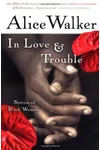
- In Love & Trouble: Stories of Black Women (1973) – Walker's debut short story collection. It contains her most famous short story, "Everyday Use," which brilliantly contrasts differing views of family heritage and tradition.
- Revolutionary Petunias & Other Poems (1973) – A collection of poetry that reflects Walker's immersion in the Civil Rights Movement, highlighting the intersection of political activism and personal emotion.
- You Can't Keep a Good Woman Down (1981) – A collection of short stories addressing complex social issues such as abortion, racism, and pornography with empathy and candor.
What to Know Before You Start
Before diving into Alice Walker's bibliography, readers should be prepared for intense emotional themes. Her writing does not shy away from the realities of physical abuse, sexual violence, racism, and systemic oppression. However, the core of Walker's work is always healing, community, and the beauty of resilience. Understanding her framework of "womanism"—which emphasizes the strength and wisdom of Black women while advocating for the liberation of all people—will help readers appreciate the deeper layers of her narratives. Her works frequently cross borders, blending Southern folklore, African history, and mystical spiritual elements.