
Where to Start with Alison Rumfitt
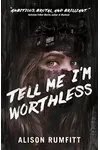
For readers looking to dive into Alison Rumfitt's raw and unapologetic bibliography, the best place to start is with her breakout debut novel, Tell Me I'm Worthless. Published originally in the UK in 2021 and later picked up for a wider release in 2023, it serves as the perfect introduction to her signature style: a blend of classic gothic haunted house tropes, modern queer experiences, and intense political commentary. Starting here allows you to ease into her writing style before tackling the much more visceral body horror found in her sophomore novel, Brainwyrms.
Publication Order of Standalone Novels
Since Alison Rumfitt writes standalone stories rather than connected series, you can safely read her primary horror novels in order of their release. This allows you to witness her stylistic progression from atmospheric gothic dread to intense transgressive fiction.
- Tell Me I'm Worthless (First published by Cipher Press in 2021; US release by Tor Nightfire in 2023)
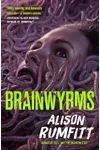
- Brainwyrms (Published by Tor Nightfire and Cipher Press in 2023)
Understanding Alison Rumfitt's Novels
Tell Me I'm Worthless (2021)
Set in modern Britain, this novel reimagines the classic haunted house story through a contemporary queer lens. The story follows Alice and Ila, two former friends who spent a terrifying night inside the cursed Albion House three years prior. The house—a physical manifestation of fascism, systemic hatred, and historical trauma—severely damaged both of them and fractured their relationship. To survive the lingering effects of that night and find a way forward, they must return to the house and confront the supernatural and real-world terrors waiting inside. The book received widespread critical acclaim for its creative use of horror to discuss transphobia and the rise of fascism.
Brainwyrms (2023)
Rumfitt's sophomore release, Brainwyrms, moves away from haunted houses and dives headfirst into body horror and transgressive fiction. The story centers on Frankie, a trans woman who is trying to rebuild her life in the aftermath of a transphobic bombing. When she begins an intense, chaotic relationship with a woman named Vanya, they discover a bizarre, parasitic infection—represented by physical wyrms—linked to a deep conspiracy and rising transphobic hysteria in Britain. It is a much more graphic, challenging, and grotesque read than her debut, often described as a dark exploration of trauma, media panic, and marginalized survival.
The Doctor Who Target Collection
In a surprising shift from her indie horror roots, Rumfitt contributed to the legendary Doctor Who Target Collection in 2024. This work is an adaptation and is entirely separate from her horror novels, making it accessible to readers of all ages.
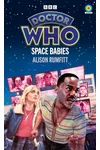
- Doctor Who: Space Babies (BBC Books, 2024): A novelization of the first episode of the fourteenth series of Doctor Who, featuring the Fifteenth Doctor (played by Ncuti Gatwa) and Ruby Sunday. While it maintains the family-friendly tone of the television series, Rumfitt infuses the prose with her sharp humor and distinct narrative voice.
Anthologies and Short Form Publications
In addition to her full-length novels, Rumfitt has contributed short stories and poetry to several anthologies and independent presses. These stories offer a quick way to experience her dark prose:
- The T(y)ranny (Zarf Editions, 2019): A poetry pamphlet that deconstructs the themes of Margaret Atwood's dystopian writing from a trans perspective.
- Morbid Obsessions (Cipher Press, 2022): A collaborative non-fiction pamphlet co-authored with Frankie Miren, discussing societal fascinations and cultural taboos.
- The Book of Queer Saints: Volume II (2023): Features her short fiction alongside other prominent queer horror voices.
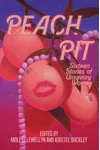
- Peach Pit: Sixteen Stories of Unsavory Women (2023): An anthology of dark, unsettling stories featuring her short piece.
What to Know Before You Start: Content Warnings and Tone
Alison Rumfitt's work belongs firmly to the transgressive horror and "New Gross" genres. Her writing is designed to provoke, challenge, and evoke strong physical reactions. Because she uses supernatural elements to mirror real-world oppression, her novels contain heavy themes, including graphic violence, body horror, self-harm, transphobia, sexual assault, and fascism. Readers are strongly advised to check detailed content warnings before starting either Tell Me I'm Worthless or Brainwyrms. However, behind the graphic horror lies a deeply empathetic exploration of queer survival, community, and resistance in a hostile world.