
The Recommended Reading Order for Amber Ruffin's Books
While Amber Ruffin and Lacey Lamar's books are collections of standalone essays and anecdotes rather than a serialized narrative, there is a clear, rewarding progression to reading them. To get the most out of their sisterly dynamic, recurring jokes, and evolving storytelling style, it is highly recommended to read them in publication order.
-
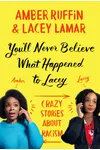
You'll Never Believe What Happened to Lacey: Crazy Stories about Racism (2021)
This is the perfect starting point. The book introduces readers to Lacey Lamar, her life in Omaha, Nebraska, and the mind-boggling everyday microaggressions and overt racism she faces in her professional and personal life. Amber Ruffin acts as the comedic translator, turning frustrating, real-life discrimination into sharp, laugh-out-loud essays.
-
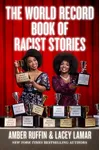
The World Record Book of Racist Stories (2022)
Building on the success of their debut, this follow-up expands its scope. While still focusing heavily on Lacey's experiences, this collection brings in stories from other members of the Ruffin family across generations. It features the same blend of outrageous behavior and sharp comedy but digs deeper into systemic issues and family history.
Understanding the Ruffin & Lamar Collaborative Dynamic
To appreciate these books, it helps to understand how they came to be. Lacey Lamar lives and works in their hometown of Omaha, Nebraska, where she is frequently the only Black person in her immediate environment. Over the years, Lacey texted her sister, late-night writer and comedian Amber Ruffin, about the bizarre, offensive, and hilarious things said to her by coworkers, neighbors, and strangers.
Realizing that these stories were too wild to keep to themselves, they decided to write them down. Lacey provides the raw, lived experiences, while Amber packages them using her expert comedic timing, structural formatting, and performance background. The result is a series of books that feel less like academic lectures on prejudice and more like a funny, candid conversation between sisters over wine.
Why the Audiobooks are the Definitive Experience
If you are deciding between print and audio, the audiobook versions are widely considered by fans to be the definitive way to experience these stories. Both books are narrated by Amber and Lacey themselves. Rather than sticking strictly to a dry reading of the script, the sisters laugh, interrupt each other, ad-lib, and banter throughout the recording. Their natural chemistry shines, making the heavy subject matter feel incredibly intimate, lively, and engaging.
Amber Ruffin's Stage and Theatrical Projects
Beyond her prose work, Amber Ruffin is a highly accomplished theatrical writer. While these are script-based works written for the stage rather than traditional books, they are essential parts of her creative output:
-
Some Like It Hot (2022 Broadway Musical)
Amber co-wrote the book for this Broadway adaptation of the classic film alongside Matthew López. Her work earned a Tony Award nomination for Best Book of a Musical in 2023, showcasing her ability to bring modern sensitivity and classic comedic flair to the stage.
-
The Wiz (2024 Broadway Revival)
Ruffin provided additional material and book updates for the highly anticipated 2024 Broadway revival of the beloved musical, helping to modernize the dialogue while maintaining the show's iconic soul.
-
Bigfoot! The Musical (2026 Off-Broadway)
In early 2026, Ruffin partnered with Kevin Sciretta (book) and David Schmoll (music) to write the lyrics and book for this Off-Broadway comedy. Set in the town of Muddirt, the show highlights Ruffin's signature love for absurd, high-energy satirical storytelling.
What to Know Before You Start
Amber Ruffin's books deal directly with racism, prejudice, and systemic bias. However, the tone is conversational, warm, and satirical. The goal of these stories is not to leave the reader feeling hopeless, but rather to use humor as a shield and a tool for truth-telling. It is an excellent entry point for readers who want to understand the exhausting nature of modern microaggressions without wading through dense academic terminology.