
The Recommended Reading Path for Amber Sparks
Because Amber Sparks writes standalone short story collections, a collaborative hybrid work, and a debut novel rather than a continuous series, you do not need to follow a strict chronological timeline. You can read her books in any order without worrying about spoiling a overarching plot. However, for readers new to her signature style of "domestic fabulism"—where the magical and surreal seamlessly blend into everyday life—we recommend the following path to get the best experience:
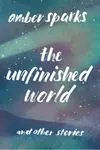
- Start Here: The Unfinished World and Other Stories (2016) – This collection is the perfect introduction to Sparks's style. It showcases her range, from space janitors to taxidermists channeling grief, and strikes a beautiful balance between whimsical fantasy, science fiction, and deep emotional resonance.
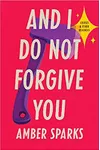
- Next: And I Do Not Forgive You: Stories and Other Revenges (2020) – Once you are familiar with her surrealism, dive into this collection. It features a sharper, explicitly feminist edge, subverting historical and mythological narratives (such as the Sabine Women or fairy tales) with witty, bite-sized revenges.
- Dive into her Novel: Happy People Don't Live Here (2025) – Sparks's debut full-length novel is a cozy, darkly funny gothic mystery set in a converted Minnesota sanatorium. It is a must-read for fans of quirky characters, family mysteries, and friendly ghosts.
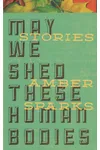
- Explore the Experimental Roots: May We Shed These Human Bodies (2012) – Her debut collection is raw, modernist, and highly experimental, utilizing stream-of-consciousness techniques and dark fabulist concepts. It is best enjoyed once you appreciate her later, more polished work.
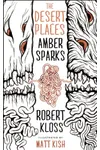
- The Dark Collaboration: The Desert Places (2013) – A short, illustrated hybrid book co-written with Robert Kloss and illustrated by Matt Kish, exploring the historical evolution of evil. It is a atmospheric, dark read for completionists.
Publication Order of Amber Sparks's Main Works
If you prefer to watch an author's voice evolve over time, reading in publication order is an excellent choice. Amber Sparks's solo books, collaborations, and key anthology contributions spans over a decade:
- May We Shed These Human Bodies (2012) — Solo Short Story Collection
- The Desert Places (2013) — Collaborative Hybrid Novel (with Robert Kloss, illustrated by Matt Kish)
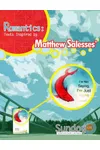
- Romantics: Texts Inspired by Matthew Salesses's I'm Not Saying, I'm Just Saying (2013) — Collaborative Project Contribution
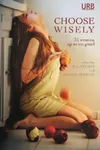
- Choose Wisely: 35 Women Up To No Good (2015) — Anthology (Contributor, "We Dressed Up Like Other People")
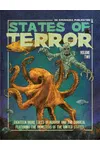
- States of Terror: Volume Two (2015) — Horror Anthology Contributor
- The Unfinished World and Other Stories (2016) — Solo Short Story Collection
- And I Do Not Forgive You: Stories and Other Revenges (2020) — Solo Short Story Collection
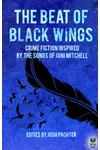
- The Beat of Black Wings: Crime Fiction Inspired by the Songs of Joni Mitchell (2020) — Anthology (Contributor, "The Dry Cleaner From Des Moines")
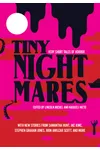
- Tiny Nightmares: Very Short Stories of Horror (2020) — Anthology (Contributor, "The Story and the Seed")
- Happy People Don't Live Here (2025) — Debut Solo Novel
A Closer Look at Her Key Collections and Novel
The Solo Short Story Collections
Amber Sparks's primary reputation rests on her short stories, which blend elements of horror, science fiction, fairy tales, and literary realism. Her writing has often been compared to Kelly Link and Karen Russell for its ability to ground bizarre concepts in deeply human feelings.
In May We Shed These Human Bodies (2012), Sparks experiments heavily with format and structure. The stories deal with themes of physical and emotional transformation, loss, and the boundaries of the human form. Her prose style here leans into prose poetry and flash fiction.
The Unfinished World and Other Stories (2016) represents a major leap in her career, earning recognition from the Washington Post. In stories like "The Cemetery for Lost Faces" and "The Janitor in Space," she explores how characters cope with isolation, grief, and the passing of time inside vast, unusual spaces.
With And I Do Not Forgive You: Stories and Other Revenges (2020), Sparks turns her attention to historical erasure and modern anger. The collection uses speculative fiction to reframe how women are treated in folklore, history, and pop culture, giving them agency, voice, and vengeance.
The Debut Novel: Happy People Don't Live Here (2025)
Marking her transition into long-form fiction, Happy People Don't Live Here is set in the Pine Lake Apartments in Minnesota—a former tuberculosis sanatorium. The story shifts focus to a mother on the run, Alice, and her ten-year-old daughter, Fern. When Fern, who can see the ghosts of former patients, starts investigating a mysterious dead body found in the dumpster, the novel transforms into a cozy, gothic mystery that blends domestic drama with the supernatural. It is an ideal entry point for readers who prefer complete, character-driven novels over short stories.
Understanding Domestic Fabulism and Writing Style
Sparks coined the term "domestic fabulism" to describe her approach to speculative fiction. Unlike epic fantasy or hard science fiction, which require extensive world-building, domestic fabulism drops magical, surreal, or sci-fi elements directly into mundane environments. A character might be dealing with a crumbling marriage while their house is slowly filling up with ghosts, or navigating a regular job while dealing with time travel. By centering the emotional lives of her characters, Sparks makes the impossible feel incredibly intimate and relatable.
Practical Reader Advice and Reading Tips
- Standalones: Every book in Amber Sparks's bibliography is a standalone. You do not need to worry about cliffhangers or reading a series out of order.
- Feminist Themes: If you are interested in feminist retellings and sharp social commentary, start with And I Do Not Forgive You.
- Ghost and Gothic Fans: If you love stories about haunted houses, eccentric neighbors, and childhood detectives, pick up Happy People Don't Live Here.
- Audiobooks: Her short story collections make excellent audiobooks because the self-contained narratives are easy to digest during commutes or chore sessions.