


Where to Start with Amy Krouse Rosenthal
Amy Krouse Rosenthal's books are defined by their unique playfulness, wordplay, and interactive concepts. Because almost all of her children's books and memoirs are designed to stand alone, there is no strict chronological narrative flow to follow. However, to get the absolute best experience of her whimsical style, we recommend beginning with her most famous standalone picture books and signature character series before moving into her collections and memoirs.
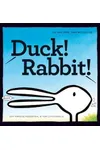
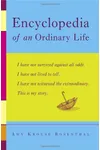
For young readers, the ideal entry point is Duck! Rabbit! (2009) or Little Pea (2005). These books introduce her signature ironic humor and clever perspective shifts. For adult readers looking for her poignant, creative non-fiction, the best place to start is her alphabetized memoir, Encyclopedia of an Ordinary Life (2005).
The Little Books Series
The Little Books series, illustrated by Jen Corace and published by Chronicle Books, is a wonderful trilogy that takes classic childhood frustrations and turns them upside down. The books can be read in any order, but reading them in publication order shows how the playful formula evolved.
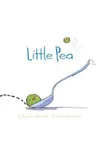
- Little Pea (2005) – The story of a little pea who is a picky eater. In a hilarious role reversal, he hates eating candy (which is dinner) and can only have his favorite spinach for dessert.
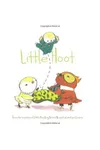
- Little Hoot (2007) – Focuses on a little owl who desperately wants to go to sleep at a normal bedtime, but his parents insist he must stay up late and play.
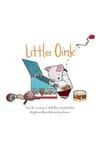
- Little Oink (2009) – Follows a neat, tidy little pig who wants to clean his room, but his parents demand that he make a proper, pig-style mess.
The Utensils Series
The Utensils series offers charming character-driven stories about household objects finding their self-worth. It is best read in publication order, concluding with the posthumously published final book.
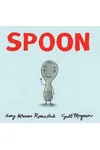
- Spoon (2009) – Spoon feels insecure compared to Fork, Knife, and Chopsticks, until he realizes they all envy his unique ability to scoop and clink.
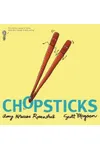
- Chopsticks (2012) – A story about a pair of chopsticks who learn to function independently after one of them gets hurt, highlighting the value of standing on your own.
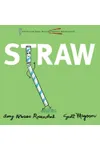
- Straw (2020) – Published posthumously, this final book follows a straw who always wants to be first, learning to slow down and enjoy the journey.
The Cookies Series
Illustrated by Jane Dyer and published by HarperCollins, the Cookies series translates abstract virtues into sweet, kid-friendly terminology. They are best read in order of release, though each works perfectly as a standalone lesson guide.
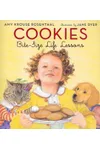
- Cookies: Bite-Size Life Lessons (2006) – Defines terms like "cooperate" and "respect" using cookie-baking metaphors.
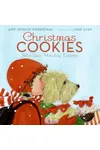
- Christmas Cookies: Bite-Size Holiday Lessons (2008) – Applies the concept to holiday virtues like "anticipation" and "generosity."
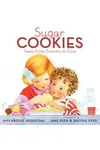
- Sugar Cookies: Sweet Little Lessons on Love (2009) – Focuses on themes of love, warmth, and family connection.
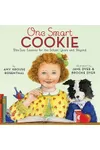
- One Smart Cookie: Bite-Size Lessons for the School Years (2010) – Tailors lessons to school dynamics and academic growth.
The Uni the Unicorn Series
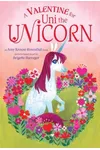
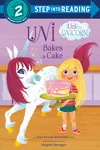
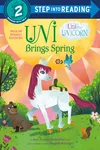
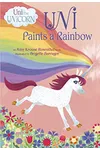
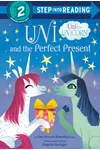
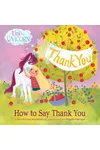
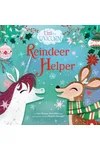
The beloved Uni the Unicorn universe, illustrated by Brigette Barrager, began with two main picture books written by Rosenthal during her lifetime. Following her passing in 2017, the series was expanded by Penguin Random House with a variety of early readers (often written by Candice Ransom) and a special tribute book written by Amy's daughter, Paris Rosenthal.
The Core Picture Books
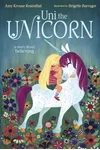
- Uni the Unicorn (2014) – Introduces Uni, a unicorn who is mocked because she stubbornly believes that little girls are real.
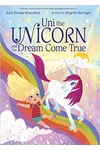
- Uni the Unicorn and the Dream Come True (2017) – The final core sequel written by Amy, where Uni's belief is validated.
Posthumous Extensions and Early Readers
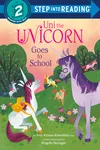
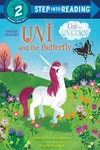
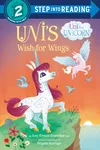
The franchise includes early learning books (Step into Reading) and spin-offs that expand the world. Key titles include:
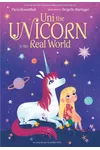
- Uni the Unicorn in the Real World (2021) – Written by Paris Rosenthal as a direct tribute to her mother's magical creation.
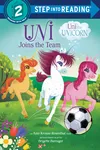
- Uni's First Sleepover (2019) and Uni Joins the Team (2023) – Step into Reading Level 2 books written by Candice Ransom.
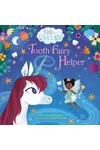
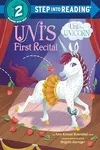
- Tooth Fairy Helper (2023) and Uni's First Recital (2024) – Later seasonal and activity-themed additions to the expanded universe.
Posthumous & Co-authored Works to Note
Before her death in 2017, Rosenthal completed several manuscripts and collaborative projects. Recognizing these helps readers appreciate the transition in her bibliography:
- Dear Girl (2017) – Co-written with her daughter, Paris Rosenthal, this bestseller is an inspiring love letter to girls everywhere.
- Dear Boy (2019) – A companion book co-written by Paris Rosenthal and Jason Rosenthal (Amy's husband) to continue the legacy.
- Straw (2020) – Completed before her death and released as a final farewell in the Utensils series.