


Recommended Reading Path: Where to Start
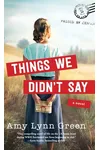
Because all of Amy Lynn Green's novels are standalone historical works, there is no single mandatory starting point. You can read them in any order you choose. However, the most recommended path for newcomers is to read them in publication order. Starting with her debut, Things We Didn't Say, allows you to appreciate her evolving writing style, particularly her creative use of epistolary and mixed-media storytelling formats.
If you prefer to choose a starting book based on theme or setting, here is how to decide:
- Start with Things We Didn't Say if you love unique narration styles (letters, memos, newspaper clippings) and want a heartwarming story about human connection in a Minnesota POW camp.
- Start with The Blackout Book Club if you adore books about books, community relationships, and small-town dynamics during wartime.
- Start with The Codebreaker's Daughter if you are fascinated by military intelligence, codebreaking, and dual-timeline family secrets spanning both World Wars.
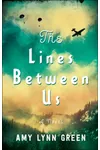
- Start with The Lines Between Us if you want to explore the complex moral choices of conscientious objectors and female service members (WACs) working in the Pacific Northwest.
Publication Order of Standalone Novels
Amy Lynn Green has steadily published a new standalone historical novel every one to two years. Here is the list of her books in order of release:
- Things We Didn't Say (2020)
- The Lines Between Us (2021)
- The Blackout Book Club (2022)
- The Foxhole Victory Tour (2024)
- The Codebreaker's Daughter (2025)
- The Home Front Sisters (Scheduled for release on November 17, 2026)
Chronological Timelines and Settings
While the publication order is the easiest path, reading the novels chronologically according to their historical settings offers a fascinating journey through the early-to-mid 20th century. While most of her books are set during World War II, they highlight very different aspects and geographical locations of the war effort, plus one dual-timeline venture into World War I.
Here is how the books fit chronologically by their historical settings:
- The Codebreaker's Daughter (WWI Timeline: 1917–1918): Set at the Illinois estate of George Fabyan, focusing on the early days of American military codebreaking.
- The Blackout Book Club (WWII Timeline: 1942): Set in a small coastal town in Maine, dealing with the immediate aftermath of Pearl Harbor, local rationing, and U-boat threats.
- The Lines Between Us (WWII Timeline: 1942–1943): Set in the remote forests of Oregon, following conscientious objectors serving as smokejumpers and WAC investigators.
- Things We Didn't Say (WWII Timeline: 1944): Set in Minnesota, exploring the domestic home front and the operations of a German prisoner-of-war camp.
- The Codebreaker's Daughter (WWII Timeline: 1944): Set in Washington, D.C., focusing on the Office of Strategic Services (OSS) and psychological operations leading up to the D-Day invasion.
- The Foxhole Victory Tour (WWII Timeline: 1944): Set in North Africa (Casablanca and Tunisia), following a USO variety troupe entertaining soldiers near the front lines.
- The Home Front Sisters (WWII Timeline: 1944–1945): Set in Philadelphia, Pennsylvania (streetcar lines) and Florida (a Navy gunner training outpost), following the diverse paths of two sisters in WAVES and domestic labor.
A Closer Look at the Books
Things We Didn't Say (2020)
Set in a Minnesota POW camp, this novel follows Johanna Berglund, a brilliant linguist who is recruited to work as a translator. Johanna faces community backlash, suspicion of treason, and her own prejudices as she interacts with German prisoners. The story is told entirely through letters, military reports, and newspaper clippings, giving it a highly interactive feel.
The Lines Between Us (2021)
This novel centers on Gordon Hooper, a conscientious objector training as a smokejumper in Oregon, and Dorie Armitage, his friend's sister who joins the Women's Army Corps (WAC). When Gordon's friend is injured under suspicious circumstances, Dorie goes undercover to investigate. The book explores themes of faith, pacifism, and duty during a time of intense social pressure.
The Blackout Book Club (2022)
In a small Maine town, Avis Montgomery starts a book club as a desperate attempt to save the local library from closure. An unlikely group of women—including an expectant mother, a wealthy patron, and a war worker—gather to discuss classic literature. Through their meetings, they build deep bonds that sustain them through rationing, fear, and personal loss.
The Foxhole Victory Tour (2024)
This novel takes readers to the battlegrounds of North Africa. We follow trumpet player Maggie McCleod and violinist Catherine Duquette as they join an eccentric USO variety troupe. As the performers travel from Casablanca to the front lines in Tunisia, personal ambitions clash and the harsh realities of active combat force them to cooperate to survive.
The Codebreaker's Daughter (2025)
A dual-timeline story centering on mother Lillian Kendall (a WWI codebreaker at the Riverbank estate) and her daughter Dinah Kendall (a WWII OSS employee in Washington, D.C.). When Dinah discovers her mother's secret past, the two must collaborate to expose a security threat that could compromise the Allied invasion of Europe.
The Home Front Sisters (Upcoming November 2026)
A WWII reimagining of Little Women, this novel follows sisters Joan and Amelia Alcott. Joan works on the Philadelphia streetcar lines as a transit worker, while Amelia joins the WAVES and trains Navy gunners in Florida. The book explores sisterhood, romance, and the unexpected ways young women contributed to the war effort.
What to Know Before You Start
Before diving in, readers should know that Green's novels are published by Bethany House, a prominent Christian fiction publisher. While faith and moral themes are central to the characters' journeys, the stories avoid preachy tones. Instead, they focus on realistic moral struggles, historical nuances, and complex human relationships. Green is also known for her thorough historical research, often pulling details from real diaries, letters, and wartime records to highlight underrepresented historical settings.