

Where to Start with Amy Stewart’s Books
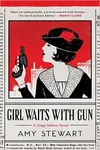
If you are new to Amy Stewart's writing, the best place to start depends entirely on whether you prefer historical fiction or engaging, science-infused non-fiction. For fiction lovers, the absolute best starting point is Girl Waits with Gun (2015), the debut novel in her popular Kopp Sisters series. Starting here is crucial because the series follows a continuous chronological narrative, tracing the personal and professional evolution of America's first female deputy sheriff, Constance Kopp, and her sisters.
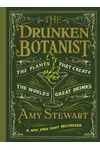
If you prefer non-fiction, you should start with The Drunken Botanist: The Plants That Create the World's Great Drinks (2013) or Wicked Plants: The Weed That Killed Lincoln's Mother and Other Botanical Atrocities (2009). Both books perfectly showcase Stewart’s signature style: a witty, highly accessible, and meticulously researched exploration of the natural world that reads like a page-turning story.
The Kopp Sisters Series in Order
The Kopp Sisters series is historical fiction based on the real-life adventures of Constance Kopp, who became one of the first female deputy sheriffs in the United States in the early 20th century. The books follow Constance and her eccentric sisters, Norma and Fleurette, as they navigate crime, war, and the changing social landscapes of the 1910s and 1920s.
Because the books are deeply character-driven and follow a linear biographical progression, you should read them in order of publication. The publication order perfectly mirrors the chronological order of the historical timeline.
Kopp Sisters Publication and Chronological Timeline
- Girl Waits with Gun (2015) – Set in 1914, this novel introduces the three Kopp sisters after a run-in with a corrupt silk merchant, leading Constance to work alongside the local sheriff.
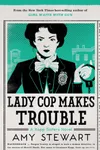
- Lady Cop Makes Trouble (2016) – Set in 1915–1916, Constance officially becomes a deputy sheriff but must track down an escaped con to save her job.
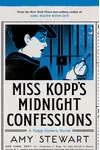
- Miss Kopp's Midnight Confessions (2017) – Set in 1916, Constance takes on cases involving young women held in reformatories while the shadow of World War I begins to loom.
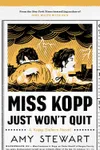
- Miss Kopp Just Won't Quit (2018) – Set in 1917, Constance defends a victimized woman while facing political challenges that threaten the sheriff's department.
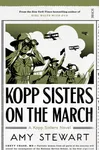
- Kopp Sisters on the March (2019) – Set in 1917–1918, the sisters join the wartime home front effort, training at a National Service camp.
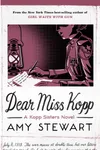
- Dear Miss Kopp (2021) – Set in 1919, this epistolary novel utilizes letters between the sisters to depict their separate lives during the aftermath of World War I.
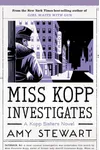
- Miss Kopp Investigates (2021) – Set in the early 1920s, the sisters transition into the post-war era, seeking new roles in a professional private investigation agency.
Standalone Fiction
Aside from her main series, Amy Stewart has written a lighthearted, standalone comic novella:
- The Last Bookstore in America (2009) – A satirical e-book novella set in the fog-drenched town of Eureka, California. It follows a couple inheriting a physical bookstore in a near-future world dominated by e-readers called "Gizmos."
Amy Stewart's Bestselling Non-Fiction Books
Before launching her fiction career, Amy Stewart established herself as a premier voice in popular science and nature writing. Her non-fiction books do not have a continuous narrative and can be read in any order depending on your interests. The publication order of her non-fiction works is as follows:
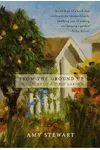
- From the Ground Up: The Story of a First Garden (2000) – An autobiographical look at the joys and struggles of tending a first garden.
- The Earth Moved: On the Remarkable Achievements of Earthworms (2004) – A fascinating, close-up look at the silent underbelly of our gardens and the vital role earthworms play.
- Flower Confidential: The Good, the Bad, and the Beautiful in the Business of Flowers (2007) – An investigative journey into the multi-billion-dollar global cut-flower industry.
- Wicked Plants: The Weed That Killed Lincoln's Mother and Other Botanical Atrocities (2009) – A macabre and entertaining compendium of deadly, poisonous, and invasive plants.
- Wicked Bugs: The Louse That Conquered Napoleon's Army & Other Diabolical Insects (2011) – A companion to her plants book, profiling history's most terrifying, painful, and destructive insects.
- The Drunken Botanist: The Plants That Create the World's Great Drinks (2013) – A exploration of the chemistry, history, and botany behind the world's most famous alcohols.
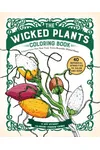
- The Wicked Plants Coloring Book (2016) – A creative companion piece featuring illustrations of toxic flora.
- The Tree Collectors: Tales of Arboreal Obsession (2024) – Her return to non-fiction, showcasing fifty portraits of remarkable people dedicated to preserving trees, featuring her own illustrations.
Anthologies and Editorial Contributions
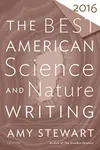
Amy Stewart's work is also closely associated with The Best American Science and Nature Writing series. While these anthologies are published annually by various guest editors, Stewart served as the guest editor for the 2016 edition, curating the year's best articles on science, environment, and technology.
- The Best American Science and Nature Writing 2016 (Guest Editor)
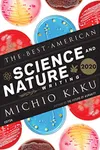
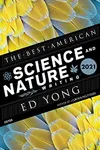
The other volumes in the series (from 2010 through 2021) represent the broader annual collection of which Stewart's work and curation style are a key part of the contemporary nature-writing dialogue.
What to Know Before You Start
When diving into the Kopp Sisters series, it helps to know that the books are based heavily on real-life newspaper articles and historical documents that Stewart uncovered. Because they are grounded in history, the pacing feels more like a slice-of-life historical drama with mystery elements rather than a standard, fast-paced modern thriller. The historical accuracy makes them incredibly immersive, especially since the characters' struggles reflect the actual social limitations women faced in early 20th-century America.
For the non-fiction works, Stewart is known for her engaging, narrative-driven prose. You do not need a background in science or botany to enjoy them. Her books are structured with short, anecdotal chapters, making them perfect for casual, pick-up-and-put-down reading.