





Where to Start with Andrew Clements
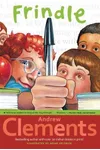
For most readers, the best entry point into Andrew Clements's world is his landmark debut novel, Frindle. Published in 1996, this book established his signature style: realistic school settings, clever kids who challenge the status quo, and thought-provoking themes about language and authority. If you want to explore his works, starting with his standalone novels before moving into his series is the most rewarding path.
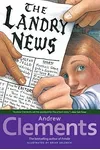
After Frindle, readers can dive into his other popular standalone school stories like No Talking, The Landry News, or The Report Card. These books require no prior reading and can be enjoyed in any order. Once you've sampled his standalones, you can progress to his multi-book series, which are best read in order of publication.
The Frindle Duology
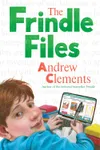
For almost three decades, Frindle stood as a beloved standalone. However, a posthumous sequel was published in 2024, forming a two-book series. The sequel is set a generation later and features a tech-savvy student named Josh Willet, who investigates a school mystery that links back to the original linguistic revolution. They must be read in order:
- Frindle (1996)
- The Frindle Files (2024)
The Things Trilogy
For slightly older readers (middle grade to young adult), this speculative mystery trilogy features teenagers dealing with extraordinary, invisible elements in the real world. Unlike his school stories, this series has a continuous narrative thread and should be read chronologically:
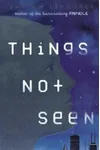
- Things Not Seen (2002) - Bobby wakes up to find he is completely invisible.
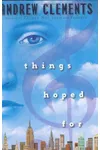
- Things Hoped For (2006) - Explores the story of Bobby's friend Alicia, a blind girl, and a new mystery.
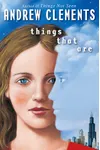
- Things That Are (2008) - Brings Bobby and Alicia's stories together for a final resolution.
Benjamin Pratt & the Keepers of the School
This five-book adventure series is Clements's most sustained narrative, following a group of kids trying to save their historic school from being demolished by developers. Because of the serialized plot and clues that carry over, you must read these in strict publication order:
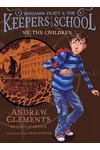
- We the Children (2010)
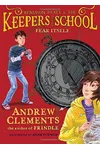
- Fear Itself (2011)
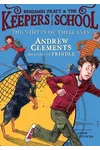
- The Whites of Their Eyes (2011)
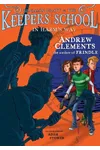
- In Harm's Way (2013)
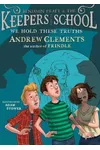
- We Hold These Truths (2013)
Jake Drake Series
Perfect for early chapter book readers, the Jake Drake books follow the everyday challenges of an ordinary school kid. Although they are written as independent adventures, they are traditionally read in order of publication:
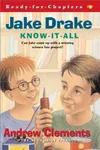
- Jake Drake, Know-It-All (2001)
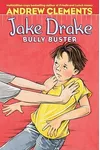
- Jake Drake, Bully Buster (2001)
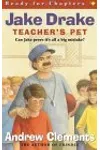
- Jake Drake, Teacher's Pet (2001)
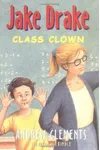
- Jake Drake, Class Clown (2002)
Early Reader & Picture Book Series
Pets to the Rescue
An early-reader series detailing the true-life stories of heroic animals. These books can be read in any order, though they are usually listed by publication date:
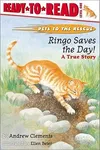
- Ringo Saves The Day! (2001)
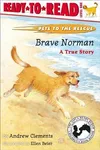
- Brave Norman (2001)
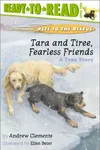
- Tara and Tiree, Fearless Friends (2002)
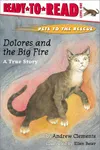
- Dolores and the Big Fire (2002)
Slippers Books
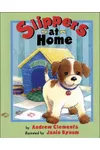
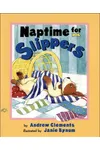
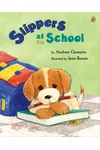
A charming set of picture books for younger kids following the daily life of an adorable puppy named Slippers:
- Slippers At Home (2004)
- Naptime For Slippers (2004)
- Slippers at School (2005)
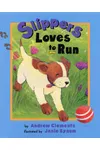
- Slippers Loves to Run (2006)
Aaahh!!! Real Monsters Media Tie-ins
In the late 1990s, Clements wrote several fun novelty books based on Nickelodeon's animated TV show Aaahh!!! Real Monsters. These were tie-ins for younger readers and can be read in any order:
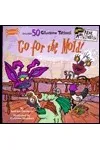
- Real Monsters Go for the Mold (1997)
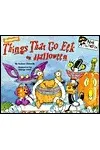
- Things That Go Eek on Halloween (1997)
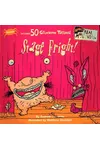
- Real Monsters Stage Fright! (1997)
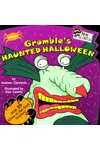
- Gromble's Haunted Halloween (1998)
Educational Reading Program Books
During the mid-to-late 1990s, Clements authored a series of educational readers designed for classroom reading programs. These are short, standalone stories used primarily to develop literacy skills:
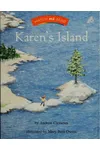
- Karen's Island (1995)
- Three Wishes For Buster (1995)
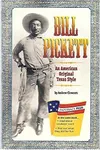
- Bill Pickett: An American Original Texas Style (1996)
- Hurricane Andrew (1998)
- Ham And Eggs For Jack (1998)
- Life in the Desert (1998)
- Desert Treasure (1998)
- Inventors (1998)
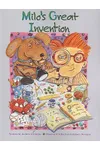
- Milo's Great Invention (1998)
Standalone Novels & Reading Advice
Aside from his series, Andrew Clements is famous for his standalones. Books like The School Story (two friends trying to get a manuscript published) and Lunch Money (a boy who starts a comic-book printing business in school) show his talent for capturing how kids think. There is no chronological link between his standalones, meaning readers have the freedom to pick whichever synopsis appeals to them the most.