

The Recommended Reading Path: Where to Start
Andrew Holleran did not write a serialized set of novels with continuing characters. Instead, his books are thematic standalones that function as a chronological mirror to a generation of gay men. For the most rewarding experience, readers should start with his debut, Dancer from the Dance (1978). It is widely regarded as a masterpiece of gay literature, capturing the euphoria and hedonism of pre-AIDS New York. Reading his novels in order of publication allows you to witness the changing landscape of gay life, from the liberating disco era to the devastating impact of the AIDS epidemic, and finally to the quiet, reflective realities of aging and mortality.
Publication Order of Standalone Novels
For readers who want to follow Holleran's literary journey as it unfolded, here is the sequence of his standalone novels:
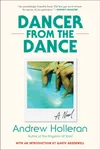
- Dancer from the Dance (1978) - Set in the 1970s, this debut follows Anthony Malone as he abandons a conventional life to submerge himself in the disco scenes of Manhattan and the beach parties of Fire Island. It is a lyrical, bittersweet look at youth, beauty, and the search for love.
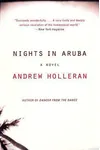
- Nights in Aruba (1983) - Following a protagonist named Paul, this novel explores the tension between an active gay life in New York and the closeted, duty-bound visits to his parents in Florida, highlighting the loneliness of living in two separate worlds.
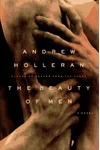
- The Beauty of Men (1996) - Set during the height of the AIDS crisis, this story centers on Lark, a middle-aged man caring for his paralyzed mother in Florida. While his friends die in New York, Lark struggles with survivor's guilt, isolation, and his own fading youth.
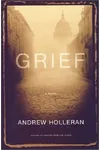
- Grief (2006) - A quiet, deeply moving novel about a middle-aged narrator who relocates to Washington, D.C., following the death of his mother. As he reads the letters of Mary Todd Lincoln, he processes his own deep sense of bereavement for his family and the friends lost during the epidemic.
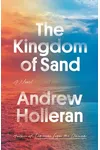
- The Kingdom of Sand (2022) - Holleran's latest novel observes an aging narrator in a small Florida town. The narrative focuses on his friendship with an older neighbor, Earl, serving as a slow, haunting elegy on mortality, declining health, and the physical realities of growing old.
Collections and Non-Fiction
In addition to his novels, Holleran has published essential essay collections and short stories that provide crucial cultural context:
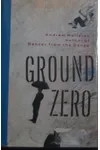
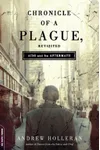
- Ground Zero (1988) / Chronicle of a Plague, Revisited (2008) - Ground Zero is a collection of essays originally written for Christopher Street magazine during the early, terrifying years of the AIDS epidemic. In 2008, it was expanded and reissued as Chronicle of a Plague, Revisited, adding ten new essays and a fresh introduction detailing the long-term aftermath of the crisis.
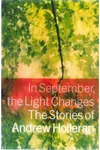
- In September, the Light Changes (1999) - A collection of short stories that explore themes of desire, regret, and the transition of seasons, mirroring the emotional landscapes of his longer fiction.
Anthologies Featuring Andrew Holleran
Holleran was also a regular contributor to anthologies that defined gay literature in the late 20th century. Key volumes include:
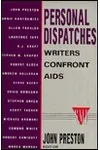
- Personal Dispatches: Writers Confront AIDS (1989) - A critical early collection of writers responding directly to the unfolding epidemic.
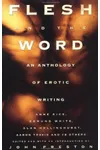
- Flesh and the Word: An Anthology of Erotic Writing (1992) - A collection showcasing the diversity of queer desires and expressions.
- The Mammoth Book of Gay Short Stories (1997) - A broad compilation featuring Holleran's shorter fiction alongside other major voices of the era.
What to Know Before You Start
Andrew Holleran was a core member of The Violet Quill, an influential early-1980s literary club in New York that included writers like Edmund White and Felice Picano. The group's mission was to write honest, unapologetic gay fiction that moved past the defensive writing of earlier decades. Understanding this context helps readers appreciate Holleran's work not just as historical documents, but as pioneering artistic achievements in queer self-representation. While his prose is lush and campy at times, the underlying tone of his entire bibliography is melancholic, dealing heavily with impermanence and memory.